
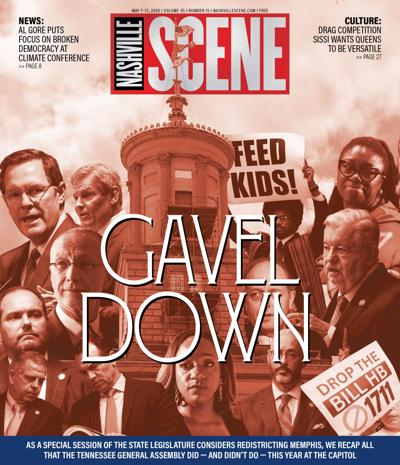
On April 23, the Tennessee General Assembly adjourned sine die — the Latin phrase meaning “without a day” used to mark the close of the legislative session. The state legislature’s business was concluded for the year. Or so we thought.
Less than a week later, the United States Supreme Court ruled along partisan lines in Louisiana v. Callais, issuing a blow to the 1965 Voting Rights Act and weakening the political power of minority communities nationwide. Before we knew it, both U.S. Sen. Marsha Blackburn and President Donald Trump were urging their fellow Republican, Gov. Bill Lee, to reconvene the legislature and redraw Tennessee’s congressional map — to redistrict Memphis and gerrymander the state out of its sole remaining Democratic seat in Congress. On May 1, Lee did as he was told, calling lawmakers back to the Capitol to redraw Tennessee’s congressional lines in a special session taking place as this issue hits newsstands. Legislators have to finalize the new congressional districts by May 8 for election commissions to have time to prepare.
This is par for the course for the state’s Republican supermajority, which spent much of its three-and-a-half-month regular session reaching into the business of Democratic-led cities Nashville and Memphis. Republicans passed bills taking over local airport authorities (including in Nashville), launching an “intervention” of Memphis-Shelby County Schools and requiring sheriffs’ departments to work with ICE. Also during the session, Gov. Lee signed a symbolic resolution designating June as “Nuclear Family Month,” the state banned the name “West Bank” from its official documents (opting instead to call the region to “Judea and Samaria,” as it’s referred to in the Bible), and the legislature passed a bill allowing schools to display the Ten Commandments.

A week after sine die, Lee tasks legislators to reconfigure Memphis House seat in the wake of SCOTUS decision
But it hasn’t all been culture-war issues and state takeovers at the Capitol this year, even if those are the things that gobbled up much of the attention and headlines. Certain tax revenue from vape, tobacco and hemp-derived cannabinoid products will fund a new childcare initiative, termed the “Promising Futures Act,” budgeted to bring in more than $128 million annually. The legislature also voted to ban sales of the substance kratom, and created a family advisory board designed to increase communication between families of incarcerated people and the Tennessee Department of Correction.
In this week’s cover package, Scene staffers break down the regular session of the Tennessee General Assembly in five parts, from the state budget and various bills related to healthcare to Republicans’ immigration crackdowns and school voucher expansion — plus a lineup of bills that got a lot of attention but ultimately failed. Read on for more, and follow along with our ongoing coverage of the special session at nashvillescene.com/state-legislature. —D. PATRICK RODGERS, EDITOR-IN-CHIEF
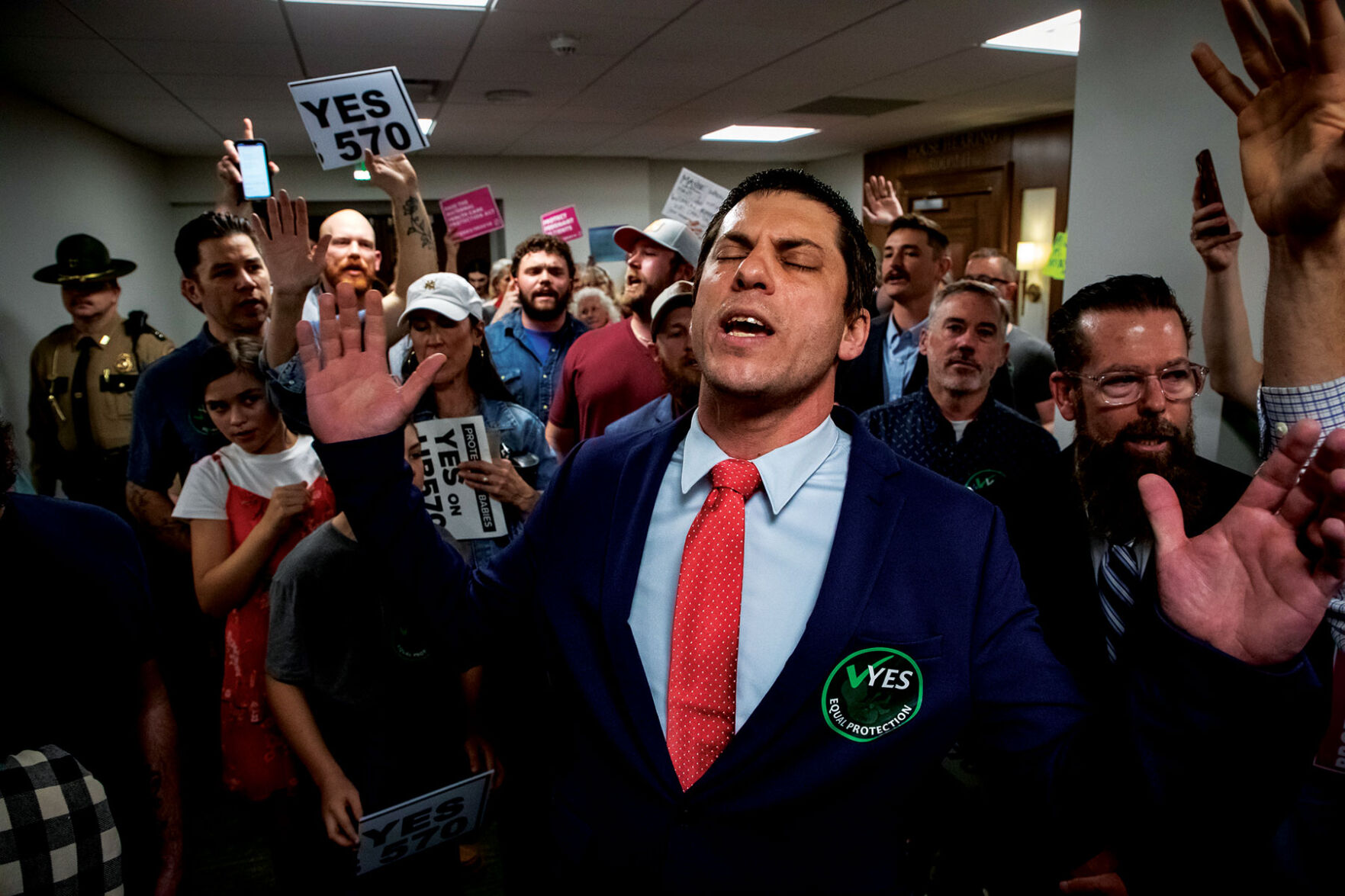
The GOP ginned up outrage with a number of failed bills on religion, immigration and abortion

Democrat Aftyn Behn says the state is ‘under siege’ by the GOP supermajority

Also: Tennessee General Assembly cracks down on roofies and kratom during 2026 session

Testing requirements, immigration tracking measures were tacked onto voucher bills this session

Gov. Lee’s primary initiatives sailed through thanks to supermajority support as minority party fought for ‘people’s priorities’






Post a comment as anonymous
Report
Watch this discussion.
(0) comments
Welcome to the discussion.
Log In
Welcome to the discussion.
Keep it clean. Please avoid obscene, vulgar, lewd, racist or otherwise abusive language. Comments featuring hate speech or threatening or violent content will not be tolerated.
PLEASE TURN OFF YOUR CAPS LOCK.
Be truthful. Don't knowingly lie or mislead.
Be proactive. Use the “report” link on any comment that violates our comment policy.
Share with us. We'd love to hear your feedback.