
In September of last year, the Scene ran a cover package under the headline “Gerrymandering Works.” In several parts, the story laid out how redistricting efforts by Tennessee’s Republican supermajority have reshaped the state’s congressional districts and diluted Nashville’s political power. We knew it was a relevant story, but we didn’t know just how prescient it would prove to be.
The week after the Tennessee General Assembly gaveled out of its 2026 session, the United States Supreme Court issued a blow to the 1965 Voting Rights Act via its ruling in Louisiana v. Callais. The ruling set into motion a chain of events that resulted in Gov. Bill Lee reconvening the legislature to redraw Tennessee’s congressional map — to redistrict Memphis and gerrymander the state out of its sole remaining Democratic seat in Congress. Over the course of three rapid-fire days in early May, the GOP pushed through its plan to redraw Tennessee and split Memphis’ majority-Black voting bloc in three. Democrats objected. Protesters demonstrated. National outlets tuned in. But the redrawn map passed, and now Democrats’ only recourse is through the courts — a process that continues to play out as this issue goes to press.
In this week’s issue, we take a four-part look at the fallout of the Tennessee General Assembly’s special session on congressional redistricting. Read on for more. D. PATRICK RODGERS, EDITOR-IN-CHIEF
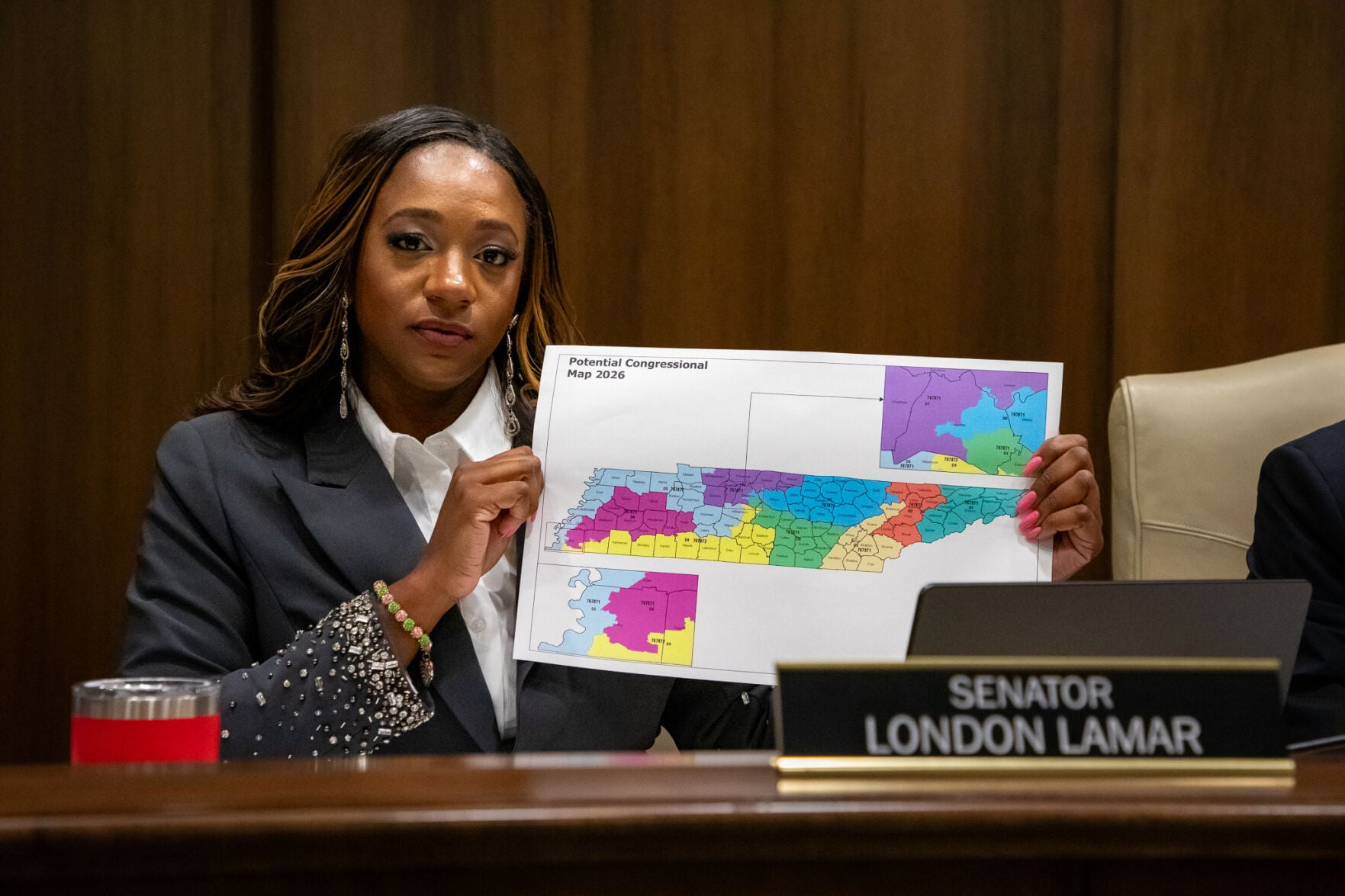
Following redistricting and ahead of the August primaries, see what congressional district you’re now in — and who’s running

While state Republicans largely dismissed discussions of race during the special session, Democrats and political scientists note that race is at the forefront

TNDP chair: ‘We are not going to stop trying to show that these maps are racist, that these maps are wrong, and that they should not be enforced’

A lot happened during the legislature’s whirlwind three-day session. Here’s what you might have missed.

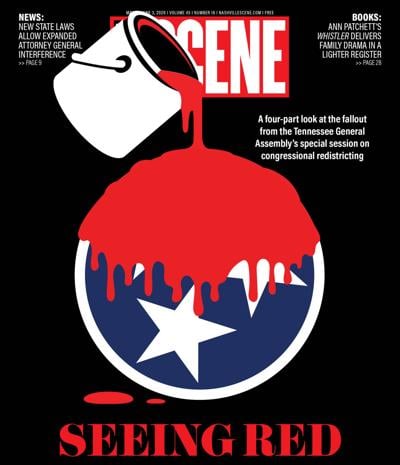
Cover of the May 28, 2026, Nashville Scene





Post a comment as anonymous
Report
Watch this discussion.
(0) comments
Welcome to the discussion.
Log In
Welcome to the discussion.
Keep it clean. Please avoid obscene, vulgar, lewd, racist or otherwise abusive language. Comments featuring hate speech or threatening or violent content will not be tolerated.
PLEASE TURN OFF YOUR CAPS LOCK.
Be truthful. Don't knowingly lie or mislead.
Be proactive. Use the “report” link on any comment that violates our comment policy.
Share with us. We'd love to hear your feedback.