

Amid reports of violence, death, extortion and inhumane conditions in Tennessee prisons, many family members of incarcerated people are filled with constant anxieties over their loved ones’ safety. Two pieces of legislation passed in the final week of the Tennessee General Assembly’s 2026 legislative session — now en route to Gov. Bill Lee — are aiming to increase transparency and accountability in state prisons.
One of the bills, sponsored by Rep. Clark Boyd (R-Lebanon) and Sen. Tom Hatcher (R-Maryville), is set to create a state family advisory board made up of family members of people who are currently or were formerly incarcerated in Tennessee. The board will include nine members (three each from the state’s East, Middle and West Grand Divisions) appointed by the governor and the speakers of the state Senate and House.

Proposed state legislation could increase transparency and accountability in correctional facilities plagued by violence
The mission behind the board is to increase communication between family members and the Tennessee Department of Correction, support family reunification and provide feedback on TDOC’s activities. The board will report to the state legislature rather than TDOC, a distinction that many advocates hope will lead to further reform being implemented.
Tim Leeper, who founded prison reform nonprofit Kylan’s Light after his son died in a Tennessee prison in 2023, helped push for the legislation at the Capitol. He tells the Scene he hopes the new board will help quell the fears faced by many family members of those incarcerated in Tennessee’s prisons.
“I think this is a good chance for people to be made aware of what truly happens inside of our prisons,” Leeper says. “From the violence to the extortion to the sexual assault to the lack of mental health care to the lack of substance abuse care.”
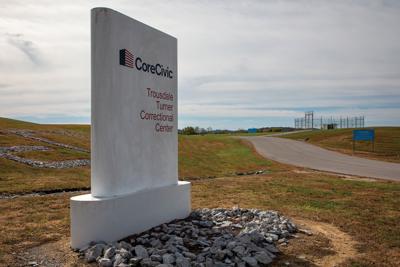
Another key prison reform bill passed in the legislature’s final week. The General Assembly approved legislation, sponsored by Hatcher and Rep. Fred Atchley (R-Sevierville), to create a one-year body camera pilot program at Trousdale Turner Correctional Center — a CoreCivic-run private prison known to be one of the state’s most dangerous facilities, which is also under investigation by the U.S. Department of Justice. The bill allows for correctional officers and employees of the prison to be equipped with body cameras, an effort lawmakers say will increase transparency at the facility and make it safer for both correctional officers and those who are incarcerated. Earlier this year, TDOC Commissioner Frank Strada expressed his opposition to cameras being brought into the prisons, citing the technology’s cost if implemented in all of the state’s facilities.
Both of these bills come after families have long urged for steps to be taken toward making Tennessee prisons safer amid violent conditions — all while many families have cited lack of communication from TDOC.
“You can’t have accountability before you have transparency,” says Leeper.



Post a comment as anonymous
Report
Watch this discussion.
(0) comments
Welcome to the discussion.
Log In
Welcome to the discussion.
Keep it clean. Please avoid obscene, vulgar, lewd, racist or otherwise abusive language. Comments featuring hate speech or threatening or violent content will not be tolerated.
PLEASE TURN OFF YOUR CAPS LOCK.
Be truthful. Don't knowingly lie or mislead.
Be proactive. Use the “report” link on any comment that violates our comment policy.
Share with us. We'd love to hear your feedback.