
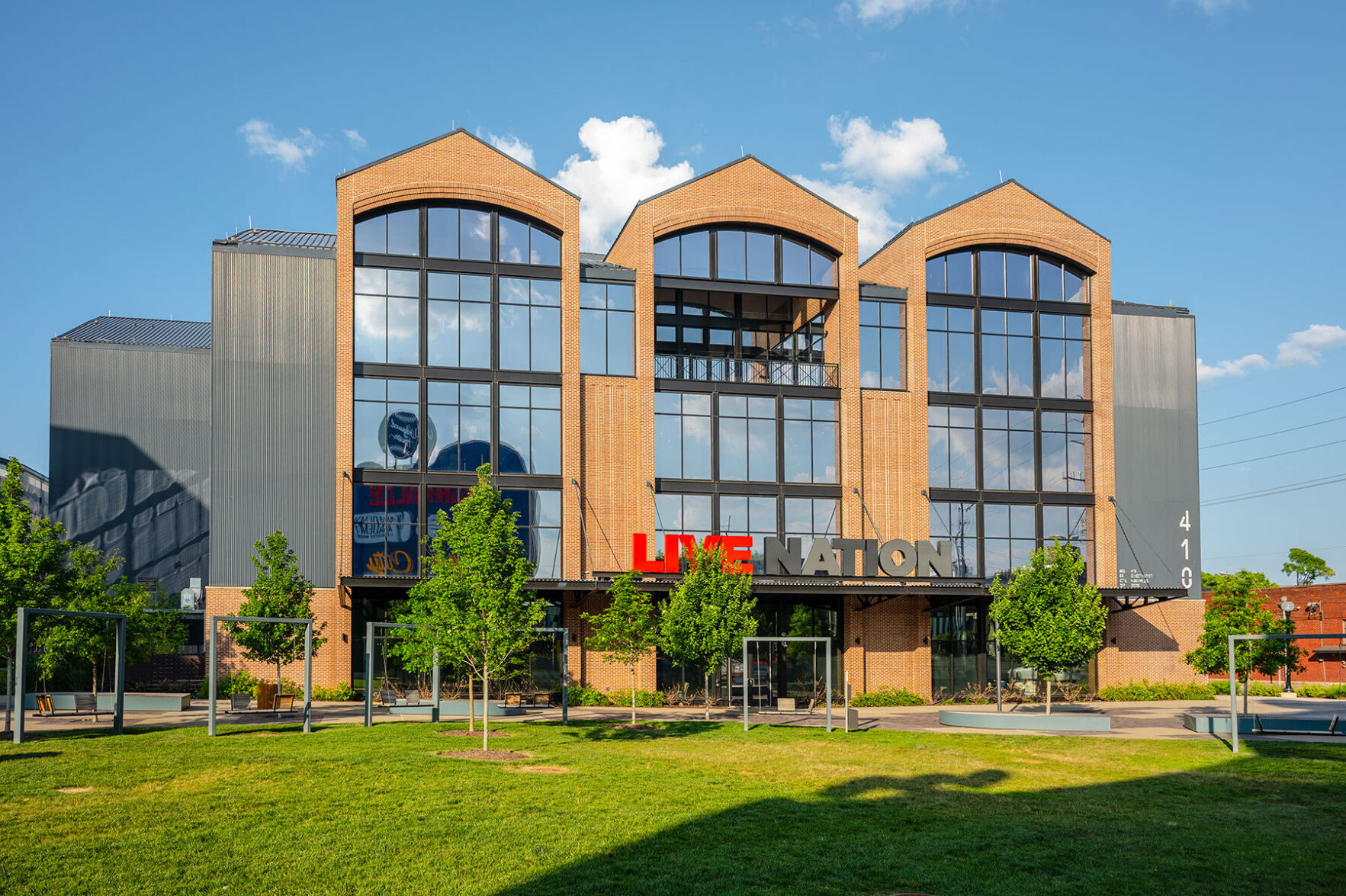

It seems like ire is always bubbling below the surface regarding ticketing and touring leviathan Live Nation’s industry dominance and the feeling that it’s impossible to escape seemingly ever-inflating costs of seeing live music associated with its subsidiary Ticketmaster. In November 2022, that anger boiled over in a massive way when the company bungled the sale of tickets to Taylor Swift’s Eras Tour. Many among the pop superstar’s legion of fans reported getting stuck in ticket-queue purgatory for hours, left to scrap for mediocre seats at eye-popping prices in the hundreds or thousands of dollars — if they could get anything at all.
At the same time, word went out that prior to the debacle the U.S. Department of Justice had already started a probe of Live Nation, investigating whether the company had abused its enormous power in the market. In May 2024, the DOJ filed suit against the firm, alleging that Live Nation engaged in an illegal monopoly. The attorneys general of 30 states and the District of Columbia signed on, including Tennessee AG Jonathan Skrmetti.
Coming up on two years later, the antitrust suit went to trial March 2. March 9, an announcement came heralding a settlement in the case. Provisions include Live Nation paying $280 million in civil penalties, undoing 13 exclusive booking agreements with amphitheaters across the U.S. and creating a third-party ticketing system that would allow independent companies to use its tech.
“We have never relied on exclusivity to drive our ticketing business, it has simply been the result of having the best products, services and people in the industry,” says Live Nation president and CEO Michael Rapino in a statement. “We are happy to take greater steps to empower artists and venues in their ticketing decisions, and are confident we will continue to succeed on the quality of what we deliver.”
However, the overwhelming majority of the plaintiffs did not find the settlement satisfactory and refused to sign on. Tennessee is among them. “Our resolve has not wavered,” Skrmetti says in a statement. “We are proud to stand with a powerful core of conservative AGs and bipartisan partners from across the country committed to continuing the fight against Ticketmaster/Live Nation.”
“The settlement recently announced with the U.S. Department of Justice fails to address the monopoly at the center of this case,” says New York attorney general Letitia James in a statement, “and would benefit Live Nation at the expense of consumers. We cannot agree to it.”
“The Justice Department’s previous agreements with Live Nation failed because they did not change its incentives to enrich itself over fans, artists and venues,” says Democratic U.S. Sen. Amy Klobuchar of Minnesota, who has been active in efforts to support the independent live-music ecosystem around the country, in a statement. “Today’s settlement appears to be more of the same.”

FTC leads case against ticketing and touring giant for allegedly violating state and federal consumer laws
During a presser on the morning of Tuesday, March 10, Tennessee Gov. Bill Lee admitted he was unfamiliar with the details of the settlement, but was confident of a resolution.
"I think it's a big issue for people, especially in Tennessee,” Lee said in response to a question about Live Nation. “It affects artists and it affects our citizenry. ... They're about to have a big venue [The Truth] where people will go to more concerts, and the ticket prices matter to folks who want to go there. Our attorney generals have been very engaged in this issue.
“I don't know the term sheet. I haven't seen the term sheets and details in particular of their settlement, so I don't know exactly what it means to the general public and what concessions, Ticketmaster and/or Live Nation made. I'm hopeful that it's a good agreement and a good settlement that they've come to, that would serve the public well. I suspect that's what the Department of Justice was looking for, and we'll see if that plays out.”
Meanwhile, federal Judge Arun Subramanian (in whose court the suit was tried) on Tuesday publicly lambasted the DOJ and Live Nation for the secretive nature of the deal. He called into court for further questioning Live Nation’s Rapino and Omar Assefi, the head of the DOJ’s antitrust division. He notes that the DOJ and Live Nation signed their term sheet that outlines the framework of the settlement on Thursday, March 5, but word didn’t come to him until late on Sunday, March 8.
At the same time, Subramanian says he will not rule on the plaintiffs’ motion for a mistrial and notes that they should have prepared themselves for the possibility of a deal given information readily available. “From all sides the parties’ conduct here strains the bounds of responsible conduct and is inconsistent [with traditions and principles in this courthouse],” Subramanian says. All parties will have access to courthouse facilities for the rest of this week to try and reach a satisfactory deal, after which next steps are to be discussed in court.
In September, the Federal Trade Commission filed a separate suit filed against Live Nation regarding ticket scalping. Tennessee AG Skrmetti also signed on to that suit, but it has not yet come to trial.
Nicolle S. Praino contributed reporting.



Post a comment as anonymous
Report
Watch this discussion.
(0) comments
Welcome to the discussion.
Log In
Welcome to the discussion.
Keep it clean. Please avoid obscene, vulgar, lewd, racist or otherwise abusive language. Comments featuring hate speech or threatening or violent content will not be tolerated.
PLEASE TURN OFF YOUR CAPS LOCK.
Be truthful. Don't knowingly lie or mislead.
Be proactive. Use the “report” link on any comment that violates our comment policy.
Share with us. We'd love to hear your feedback.