


Services fees: ugh. The bane of ticket buyers everywhere. The make-or-break point for budgets, for patience, for enthusiasm — a little add-on that makes a reasonable purchase seem like an extortion attempt. But what if a night out didn’t come with a tithe to Our Corporate Overlords™? What if we didn’t have to toss some loot at the tech bros just to, y’know, enjoy some music and participate in the music community?
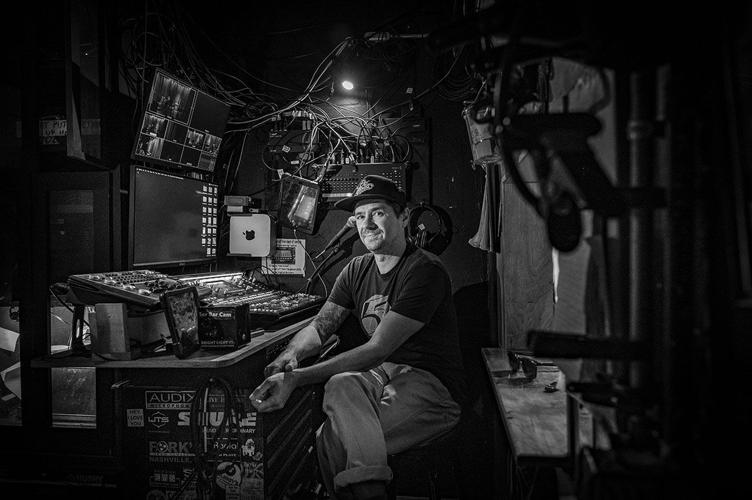
For Todd Sherwood, owner and operator of East Nashville staple The 5 Spot, these questions are more than rhetorical — they’re a matter of survival. Running an independent music venue is like piloting a boat that always needs some water bailed out of it, and service fees are one more hole in the hull. They became the impetus for him to build a new and better approach to ticketing for his club.
“It’s just stressful,” Sherwood tells the Scene. “People making money off of what we do here — we bust our ass and we try and put on good events, and try and cater to the music scene here and everything. And then these third-party companies that are just profiting off of all of this — I was just fed up.”

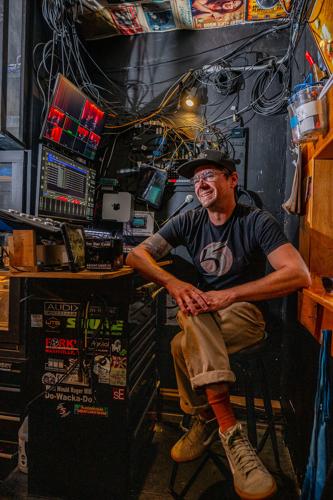
Todd Sherwood at The 5 Spot
Sherwood, who has been behind the bar at the Fiver for two decades, has been up close and personal for the radical changes this city and its music scenes have undergone. From the days when a cab wouldn’t pick you up in Five Points to the days of driverless taxi bots, Sherwood has seen the culture and the cash flow shift dramatically. These days people are spending less — nearly half of what they used to, according to Sherwood — and it’s not hard to see that money flowing directly into the coffers of people far-removed from the bar-tab-and-cover-charge transactions that are the Five Points watering hole’s bread and butter.
The direct extraction of cash from independent music economies by tech companies and ticketing giants like Live Nation stands out. It’s apparent in the form of service fees when small clubs use their ticketing systems. While federal economic policy may not be the first thing you think of when you look at local music, the decisions of the venal mega-toddler in the White House and his band of sycophants have a major effect. Every aspect of making music, consuming music and, uh, being a human has become exponentially more expensive since January 2025. While many of us have no problem rationalizing the cost of seeing a show, a lot of us balk at the add-ons that contemporary ticketing systems apply to every purchase, impacting attendance on every level.
Imagine if other online retailers applied a variable 8 to 20 percent fee on top of every item you purchased. Would your buying habits change in a heartbeat? You bet they fucking would. Service fees made sense in the late-20th-century days of Ticketron, when few people had a computer at home and fewer could afford the connectivity that ticketing services invested in. These days the infrastructure is practically ubiquitous — and more accessible, if still overly expensive in many situations — and tickets are just another online purchase.
“[Ticketing] should be like a plug-in on a webpage,” says Sherwood. “Why is it that they’re going to be charging service fees for every single ticket [forever]? If you go and buy five tickets, you have to pay for five service fees. And none of them know fuck-all about how venues operate. And they’re like, ‘Oh, we added this new feature on here.’ And it’s like: ‘Have you ever set up a show before? Do you know what the important things are?’ No.”

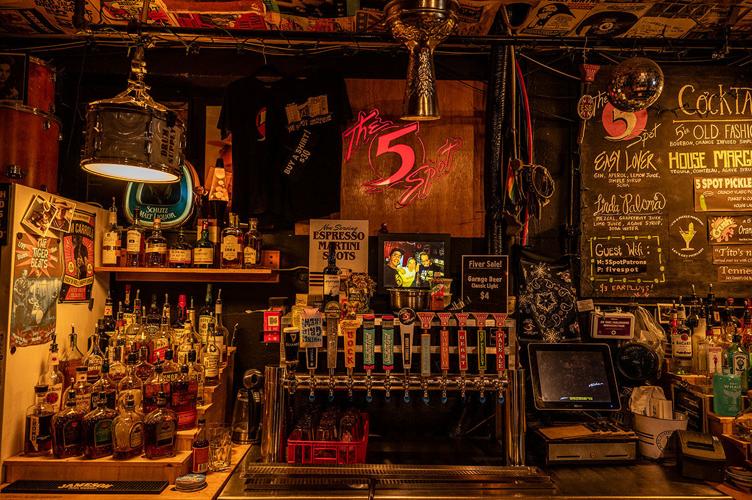
The 5 Spot
While The 5 Spot was an early partner with local Vanderbilt-incubated ticketing service TuneHatch, the partnership drifted apart. From Sherwood’s perspective, mission creep took hold as TuneHatch expanded its customer base, as it does so often in the tech sector. This led him to take matters into his own hands, inspired by his success in building a DIY electronic karaoke system for the bar. With an old point-of-sale system and some cursory programming knowledge, Sherwood developed a DIY ticketing system that streamlines the process for door staff, management and performers.
Purchases are smoother on Sherwood’s bespoke system, and no one gets hit with a surprise tech-bro tax. Payouts are quicker at the end of the night too — all of them are automated, and there’s no waiting for the credit card processors to take their cut. The webpage is more straightforward and cellphone-friendly than most, with more personality and laughs than you’d expect from a major ticketing service. (The confirmation questions before you can complete your purchase include “I am confident that I chose the right date and show” and “I’ll be super cool and won’t get into a bar brawl.”) And maybe most importantly: no service fees to kill the mood and maybe price a potential buyer out of the show.
“If I can do this, basically anybody can do it. And if anybody can do it, why do these third parties even exist? Especially for the smaller venues like us — and bookshops, and cafes, and even school events. And all the different nonprofits that put on events that [use third-party ticketing systems and make money for] these companies. … I’m not an advanced programmer, but I have the basic knowledge that’s needed.”
Update Sept. 25: Sherwood has released the ticketing software he's been developing under the name Venyall as a plugin for WordPress websites.





Post a comment as anonymous
Report
Watch this discussion.
(0) comments
Welcome to the discussion.
Log In
Welcome to the discussion.
Keep it clean. Please avoid obscene, vulgar, lewd, racist or otherwise abusive language. Comments featuring hate speech or threatening or violent content will not be tolerated.
PLEASE TURN OFF YOUR CAPS LOCK.
Be truthful. Don't knowingly lie or mislead.
Be proactive. Use the “report” link on any comment that violates our comment policy.
Share with us. We'd love to hear your feedback.