
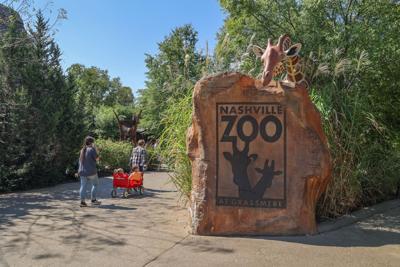

Plans to construct a data center next to the Nashville Zoo have sparked vehement backlash from both zoo representatives and community members — and permit documents show the proposed facility could be significantly larger than initial reports have indicated, and could adversely impact zoo property.
Atlanta-based digital infrastructure company DC BLOX recently filed a building permit with Metro Nashville proposing a one-story, 10-megawatt, 69,220-square-foot data center at 648 Grassmere Park. However, a due-diligence geotechnical engineering report from consulting firm Langan indicates that the project would include a three-story, 40-megawatt data center building, a substation, associated parking lots and a guard house — all in addition to the proposed single-story facility. Building and stormwater permits have not yet been filed for this portion of the project.
“DC BLOX is proposing the development of a data center in Nashville with the goal of bringing much-needed digital infrastructure to the area,” DC BLOX says in a statement to the Scene. “The project would replace two buildings which include a data center that previously operated on the site.”
“The facility will not be an AI factory placing a burden on local resources,” the statement continues. “From our past projects, as well as the proposed Nashville facility, we commit to using closed-loop or waterless cooling designs to minimize ongoing water use. We commit to the local utility to pay for all power used as well as any new energy infrastructure required to support our project. And we commit to maintaining and testing noise levels to measurable and acceptable levels and adhering to all federal and local environmental requirements.”
When asked about the three-story data center addition, DC BLOX did not respond to the Scene’s request for comment as of press time Monday.
Metro stormwater permit documents show that all three of the site’s stormwater drainage outfalls from the data center site currently flow directly onto existing stormwater infrastructure located on the Nashville Zoo property. The zoo’s waterway infrastructure is identified as "impaired for siltation and habitat alteration” — meaning the system is degrading, and stormwater runoff from the data center could make it worse.

Neighbors and alumni are questioning how the university’s proposed data center will impact the community
According to permit documents, a water and sewer availability review was canceled with no explanation made publicly available. A noise review was approved, but no supporting documents were provided.
Zoo representatives have expressed their vehement opposition to the data center proposal, arguing it would pose a threat to its animals and their habitats. The zoo has specifically noted the lack of environmental impact reports. The zoo launched a petition against the project, which as of this writing has received roughly 332,000 signatures. Country star Brad Paisley has registered his opposition to the project as well in a widely circulated Instagram post.
“We cannot afford to find out years from now how this facility has negatively impacted our 1.4 million visitors, our local community, or the 3,000 animals entrusting us with their care,” reads a statement from the zoo. “We are calling on the Nashville community to join us in our fight to stop this data center from being built, now.”
Rick Schwartz, Nashville Zoo president and CEO, told multiple news outlets last week that the data center could pose a particular threat to the zoo’s endangered clouded leopards. The leopards are sensitive to mechanical noise, which can threaten breeding.
Metro Councilmember Rollin Horton recently proposed a zoning bill to create stricter regulations for the construction and operation of data centers in Nashville. The ordinance would impose restrictions on the size of the centers, water use, noise levels and air pollution caused by the facilities.
This also follows a recent plan announced by Fisk University to construct a 70,000-square-foot data center on its North Nashville campus, which has sparked concern among community members and university alumni.



Post a comment as anonymous
Report
Watch this discussion.
(0) comments
Welcome to the discussion.
Log In
Welcome to the discussion.
Keep it clean. Please avoid obscene, vulgar, lewd, racist or otherwise abusive language. Comments featuring hate speech or threatening or violent content will not be tolerated.
PLEASE TURN OFF YOUR CAPS LOCK.
Be truthful. Don't knowingly lie or mislead.
Be proactive. Use the “report” link on any comment that violates our comment policy.
Share with us. We'd love to hear your feedback.