
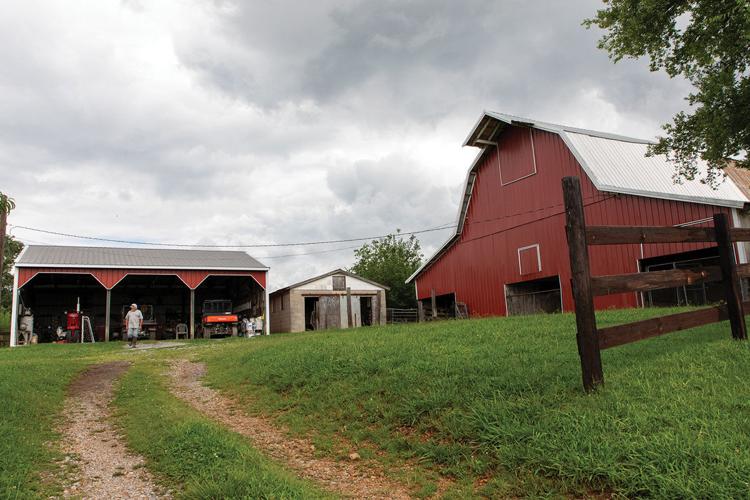
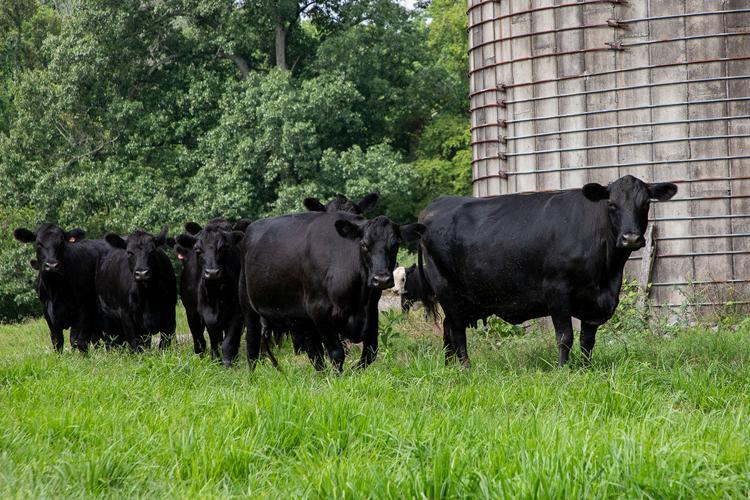
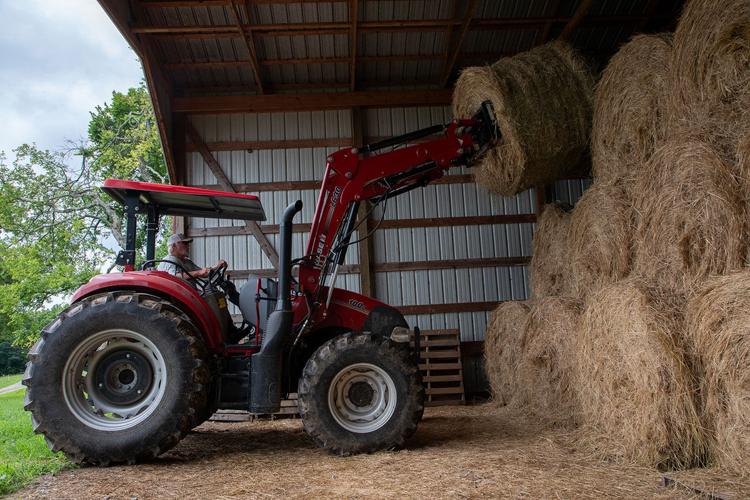
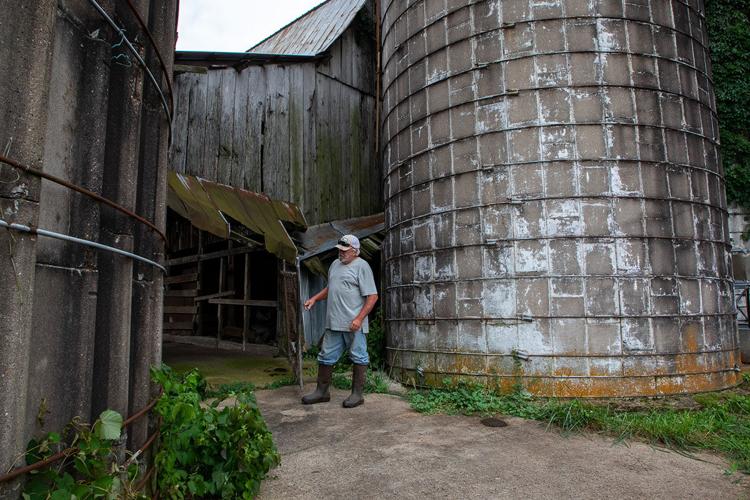
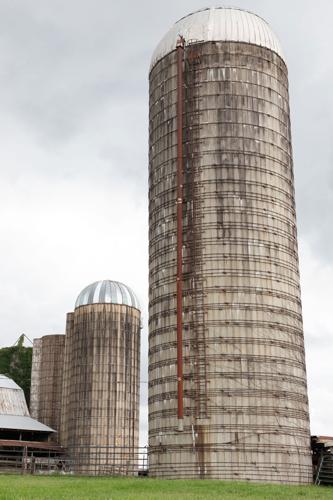
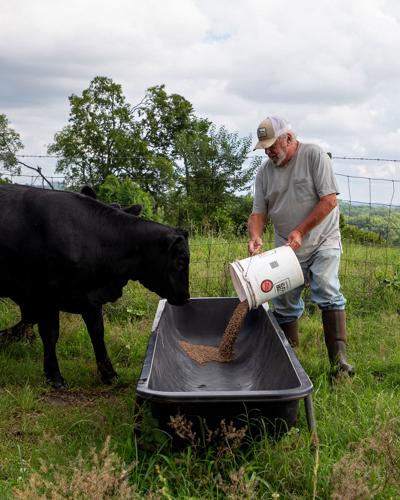

Rain pours from the sky as Bob Strasser stands under a small shed, his grandfather’s 1940s tractor parked nearby. A mama cow bellows in the barn lot behind him as Strasser takes a break from feeding the rest of the herd. Silos tower over the property.
This summer’s weather patterns haven’t necessarily made his job easy, with constant thunderstorms popping up over his patch of dirt on Pennington Bend Road. Strasser is a rare breed in Davidson County, still farming on the land that has been in his family for generations.
“I have been the only real farmer in Nashville still doing this for 25 to 30 years,” he says.

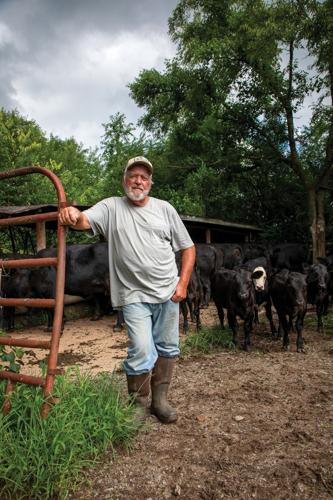
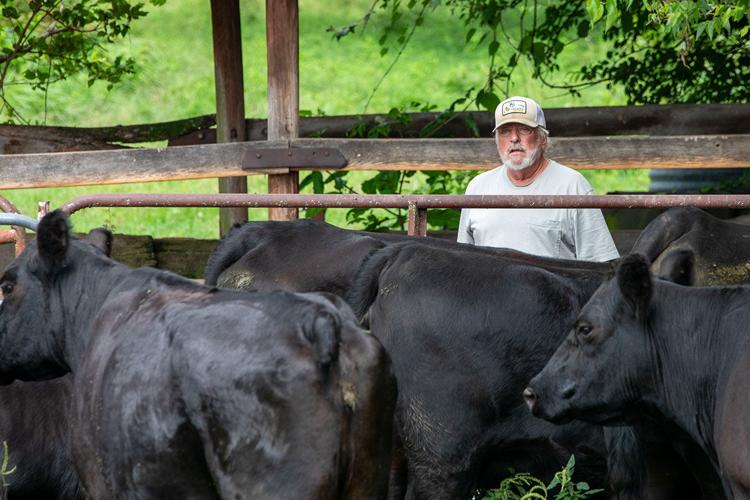
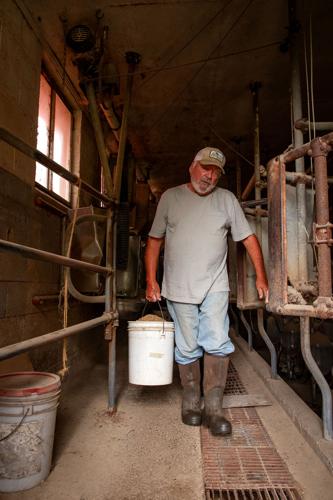
Bob Strasser on his farm
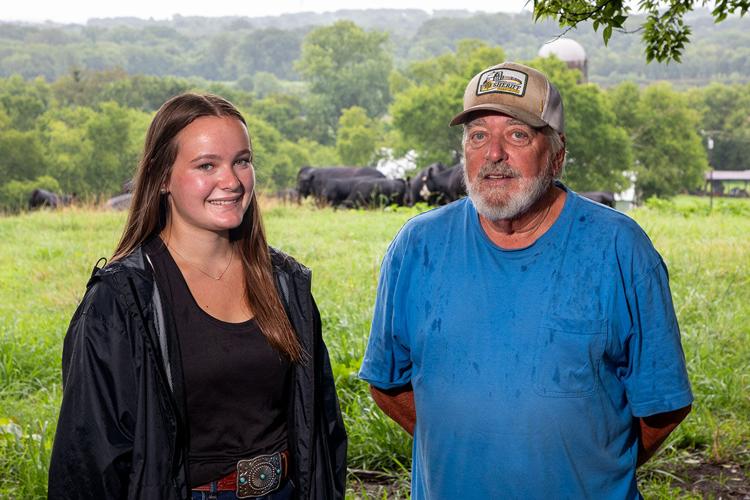
He represents the fourth generation of his family to farm in Davidson County, and hopes his daughter — who is heavily involved in the farm and 4-H — can keep it going in the fifth. Strasser’s great-grandparents immigrated to the United States from Germany through Ellis Island 141 years ago, winding up in Nashville near what is now the Nashville International Airport. Eminent domain for airport development took their farm in the 1950s, which is how they ended up with 200 acres further north in the county.
“My family ridiculed my grandfather for moving out to the sticks,” Strasser says — his land abuts the Cumberland River and is only a few miles from what is now the Gaylord Opryland Resort and Convention Center and Opry Mills mall. “The only way here was to cross the river on a ferry. We’ve seen encroachment constantly. But we are not for sale.”
Nothing about farming is easy, and the grueling work it requires doesn’t appeal to everyone. Strasser rose before the sun for 30 years to milk his cows when his family was one of the few still dairy farming in the area. He now tends beef cattle, cuts horse hay and row-crops another 600 acres in Robertson County.
Strasser’s grandfather played a heavy influence on his life. Though he wanted Strasser to be a veterinarian, the younger Strasser came back to the family farm.
“I have become in the last 15 years the token farmer,” he says of his role in Davidson County. “I am the only one. I don’t know how you get programmed to want to be a farmer. I don’t know how it works that you want to do this the rest of your life, but I have thoroughly enjoyed it.”

Bob Strasser on his farm
Farming Falls by the Wayside in Nashville
Despite loving his job, Strasser doesn’t feel a community in Nashville.
“I have no peers,” he says. “We have people who are urban farmers, and they call themselves farmers. That’s fine. I am glad we live in a country where everyone can do that, and you can have a little niche market. But as far as traditional production agriculture, I have no peers here.”
And that’s not totally surprising. According to a study from the University of Tennessee, thousands of acres of farmland have left Nashville in recent years.
Economist Charley Martinez worked for years on a dataset that he released in 2024 showing farmland loss across the state. Middle Tennessee’s doughnut counties — the ones surrounding Davidson County — show a detrimental loss of farmland. Davidson County alone has lost nearly 30,000 acres since 2010.
Nashville has been losing farmland since the aftermath of the Civil War, when Reconstruction spurred change in a city transitioning to industrialization. One of the earliest known photographs of the city, taken in the 1850s, shows Nashville’s Market Square being a center of agricultural life — agriculture was the primary economic driver at the time.
“That’s because it was the capital city,” says Jim Hoobler, a member of the Metro Historical Commission. “Agriculture isn’t dominant at all in Davidson County anymore.”
According to U.S. Department of Agriculture Census data from 2022 — the latest year available — there are fewer than 100 family farms of any size or production in Davidson County. That’s left Strasser feeling like one of the last men standing.

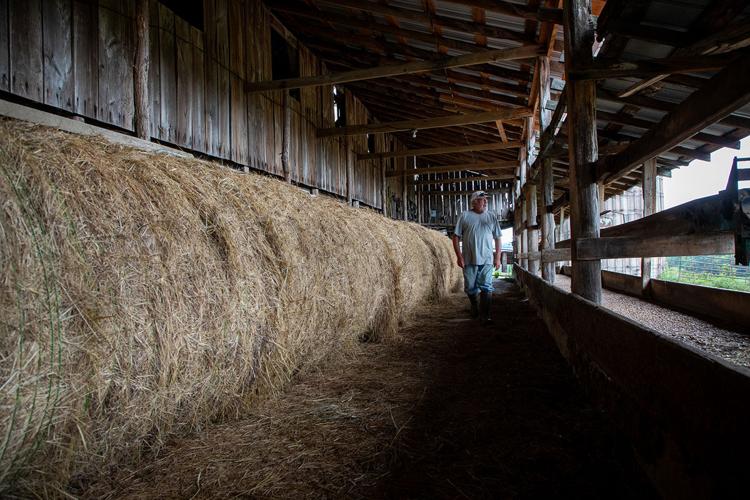
Bob Strasser, right, with his daughter Olivia
And it’s why the Tennessee Farm Bureau’s Lee Maddox says his company looks out for the farmer as a group across the state.
“There’s no doubt we are constantly trying to lobby on behalf of preserving our agriculture heritage,” Maddox says. “It’s the most important industry in the state. In every county, it’s typically the number one industry. There are fewer farmers today than there were last year. We are continuing to see less farmland. It’s kind of scary to all of us. It should be a concern to all Tennesseans, because it’s the number one economic driver for our state. Not only that, but it’s part of national security that we continue to work to produce in a safe way for our food, fiber and fuel as opposed to being dependent on somewhere else. We don’t want to do that. That’s why it’s our mission: to protect and promote this industry.”

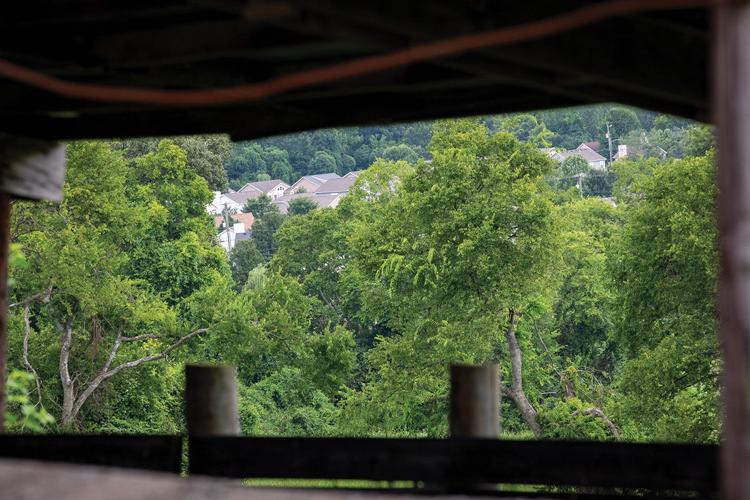
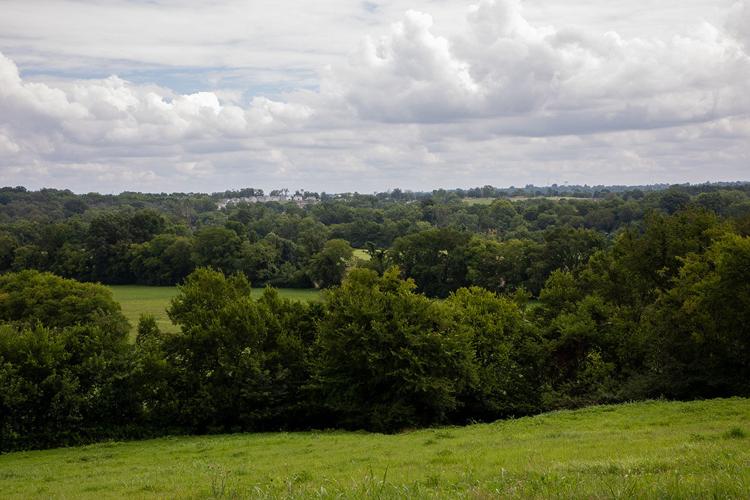
The view from Bob Strasser's farm
What Nashville Sees in Agriculture Now
Despite the decline of traditional farms, Amy Dunlap still sees an interest in agriculture — just not in a traditional sense.
Dunlap is what’s known as an agricultural extension agent through the University of Tennessee and the Tennessee State University extension in Davidson County. She regularly helps people who are interested in farming, but on a small scale.
“We are unique,” Dunlap says of Nashville. “A lot of farmland has been purchased for commercial development. It’s being lost like [land] is in general. A lot of those old-school farmers aren’t in existence in Nashville. There’s an interest in new and beginning farmers who are producing for themselves and other people. We get a ton of questions for new and beginning farmers who don’t have that background as a livelihood.”
Dunlap teaches classes on horticulture to a younger generation interested in urban farming — which can be as small-scale as one person producing a garden in their backyard or having a coop full of chickens. Ag Census data shows that 225 people were in that category across the county in 2022.

Bob Strasser's farm
Every day, residents and tourists can still engage with farmers at the Nashville Farmers’ Market, which was founded in the 19th century but moved from downtown to its current location near the Bicentennial Capitol Mall State Park in the 20th century.
Nashville Farmers’ Market spokesperson Courtney Cotton says the market has 150 vendors in its peak season. Vendors in the market’s stalls have farms from all over Middle Tennessee.
“The Nashville Farmers’ Market is where our community comes together — where local farmers, artisans and food entrepreneurs connect with neighbors, families and visitors through fresh food, shared experiences and a commitment to supporting one another,” Cotton says. “More than a marketplace, it’s a gathering place that celebrates the people, cultures and traditions that make Nashville unique.”

As Nashville’s traditional farming community shrinks, a new urban agriculture network expands



Post a comment as anonymous
Report
Watch this discussion.
(0) comments
Welcome to the discussion.
Log In
Welcome to the discussion.
Keep it clean. Please avoid obscene, vulgar, lewd, racist or otherwise abusive language. Comments featuring hate speech or threatening or violent content will not be tolerated.
PLEASE TURN OFF YOUR CAPS LOCK.
Be truthful. Don't knowingly lie or mislead.
Be proactive. Use the “report” link on any comment that violates our comment policy.
Share with us. We'd love to hear your feedback.