
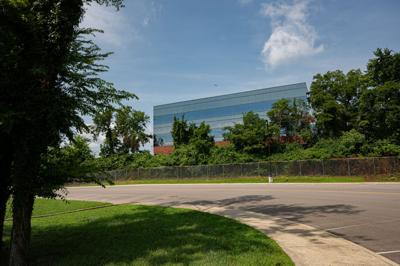

Eminent domain could soon be deployed related to property being eyed for a data center near the Nashville Zoo, following several months of community opposition to the planned project.
The Metro Council approved a piece of condemnation legislation on its third and final reading Aug. 5, giving Metro the power to move forward with the process of taking control of the South Nashville property for city use.

Following community backlash, Metro could take control of South Nashville property for public use
Mayor Freddie O’Connell proposed the eminent domain route in June after intense scrutiny erupted over a proposal by Atlanta-based digital infrastructure company DC BLOX to construct a one-story, 10-megawatt, 69,220-square-foot data center at 648 Grassmere Park. Additional engineering reports indicated that the project could also include a three-story, 40-megawatt data center building, a substation, associated parking lots and a guard house.
O’Connell previously stated that Metro has a “legitimate need” for the property, which the city intends to take control of to expand city office space.
Many Nashvillians, along with members of the council, have expressed opposition to the proposal, citing environmental and noise concerns, as well as the possible negative impact on the zoo’s animals. But not all councilmembers agree that eminent domain is the best path forward in preventing the data center from being constructed. Five councilmembers voted against the measure, including Ginny Welsch, who called the action “a gross misuse of the power of condemnation.”
“Condemnation is generally for projects that we need a particular property for something very specific, that [such projects] cannot be done in any other way,” said Welsch. “This is a gross misuse because this is simply taking someone's private property, because right now there's a very emotional issue surrounding it.
“The fear is when you start going down this slope that we will start creating other emergencies and very emotional issues where we are going to decide that we, as a government, have a right to simply take people's property,” Welsch added.
While the council approved the measure 27-5 on Tuesday, this does not mean the property is automatically condemned and owned by Metro.
“This legislation does not approve the purchase of the parcel next to the zoo,” said Councilmember Courtney Johnston, whose district includes the property.
“It does not inherently stop the data center next to the zoo. What it does do is authorize negotiation, which I think is sort of ongoing, and it authorizes a legal proceeding of condemnation. ... We are entrusting Metro Legal in consultation with the mayor’s office to make a good decision for everyone involved, including the taxpayers [who will] be writing the ultimate check.”

Atlanta-based DC BLOX now owns 23.49-acre property on which it plans project many locals oppose; Nashville Zoo files zoning appeal to halt planning and construction process
DC BLOX paid $23 million for the property in late July, with the site offering two office buildings and having last been appraised by Metro at $37 million. An amendment added to the bill by Councilmember Quin Evans Segall requires an appraisal of the property be presented to the council and requires Metro to wait a minimum of three weeks from this action before moving forward with eminent domain.
Metro would be required to pay DC BLOX "just compensation," defined in general as a fair-market value of the highest price a willing buyer would pay and a willing seller would accept.
Councilmember Russ Bradford argued that Metro's acquisition price for the property will be worth it, considering the millions of dollars the city spends annually on renting office spaces.
In July, the council passed a set of strict regulations on the construction and operation of data centers in Nashville, along with a temporary moratorium on permits for the tech facilities that power computing software, AI and other digital and information technology infrastructure.
This also comes as a proposed data center on Fisk University’s campus has sparked community backlash from many students, alumni and residents of North Nashville.



Post a comment as anonymous
Report
Watch this discussion.
(0) comments
Welcome to the discussion.
Log In
Welcome to the discussion.
Keep it clean. Please avoid obscene, vulgar, lewd, racist or otherwise abusive language. Comments featuring hate speech or threatening or violent content will not be tolerated.
PLEASE TURN OFF YOUR CAPS LOCK.
Be truthful. Don't knowingly lie or mislead.
Be proactive. Use the “report” link on any comment that violates our comment policy.
Share with us. We'd love to hear your feedback.