

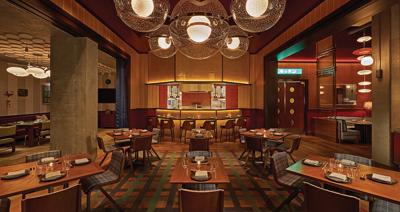
“The economic system in restaurants is often fraught with peril, and if you don’t run it exactly right, you can miss being successful by an inch,” says Kevin Boehm, co-CEO and co-founder of Boka Restaurant Group. “It’s challenging. If you are one block away, or one decade away, or a price point away from being successful, you won’t make it. That’s what makes it both fun and maddening at the same time.”

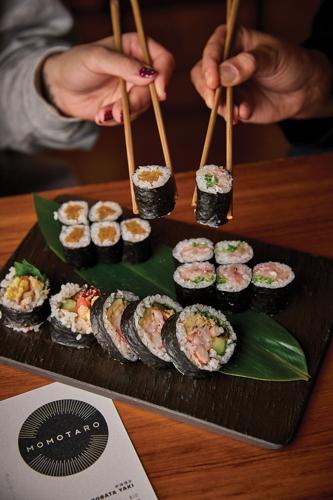
Momotaro sushi
Boehm knows of what he speaks. He’s opened and closed many restaurants over the years, including 6 Degrees, a Manuel Zeitlin-designed restaurant and bar in The Gulch. Open between 1999 and 2001, 6 Degrees morphed from a restaurant to a nightclub, attracting the likes of Trisha Yearwood, Kim Carnes and Matraca Berg to perform.
Some people cite 6 Degrees as the first place that showed people that The Gulch could be a neighborhood — not just a reimagined railroad hub. But in his 2025 book The Bottomless Cup: A Memoir of Secrets, Restaurants, and Forgiveness, Boehm details some of what caused 6 Degrees to fail, and how embarrassed he felt leaving Nashville afterward. (He packed up about two days after the restaurant was shuttered.)
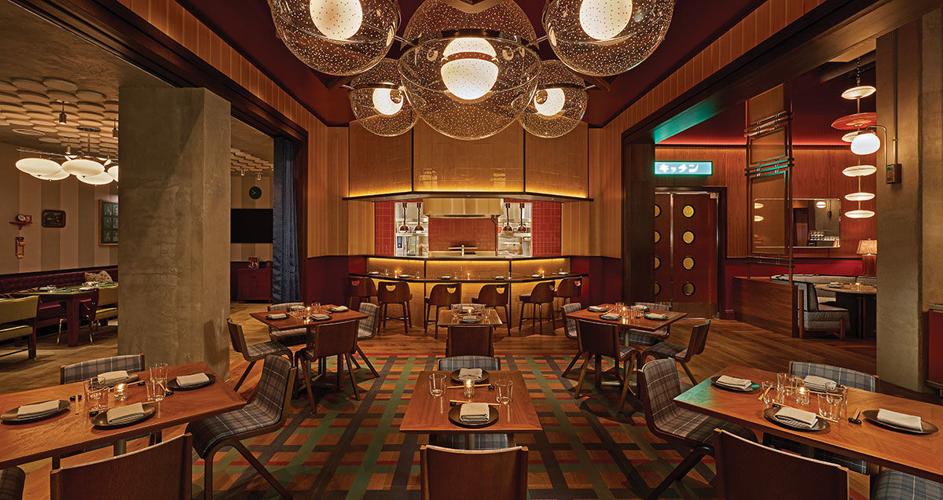
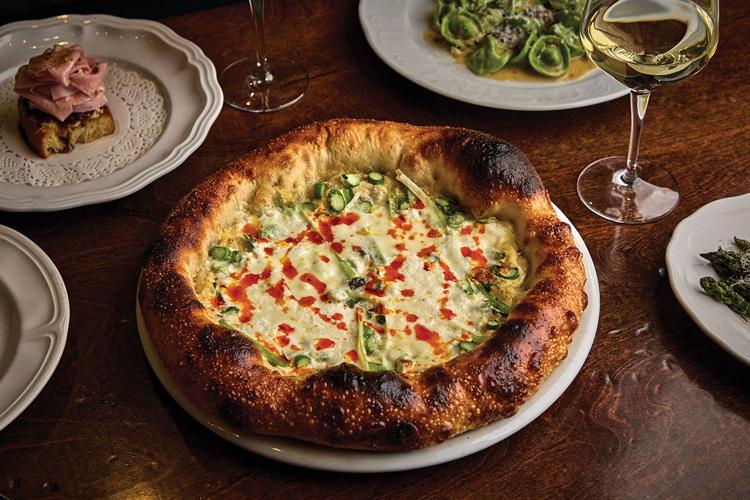
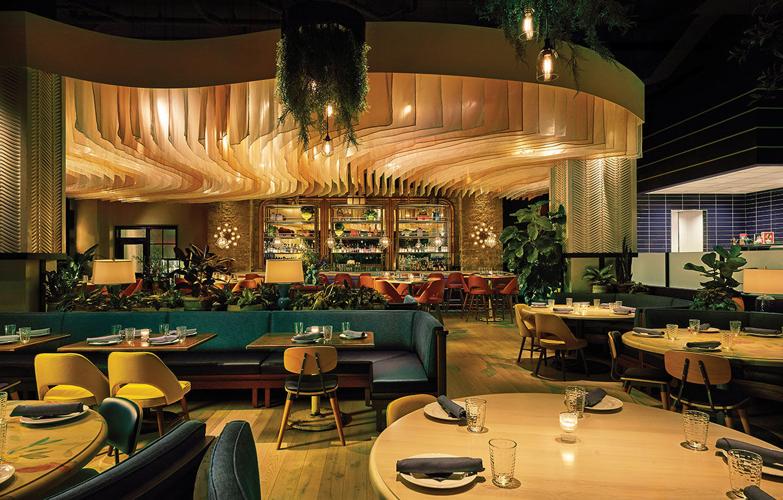
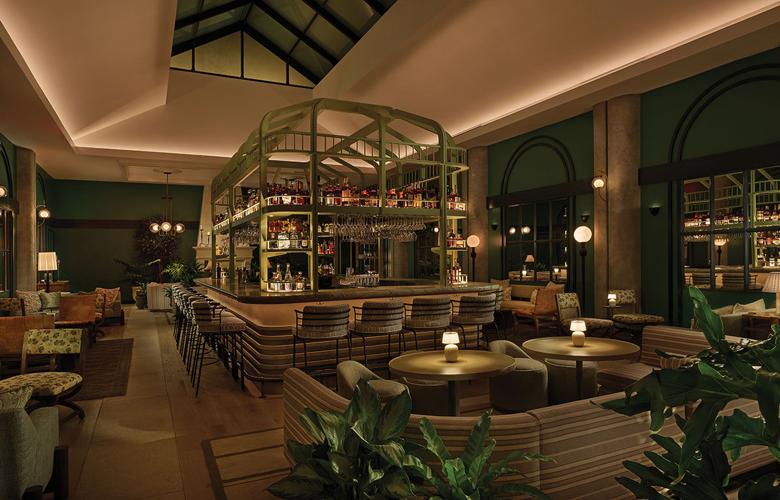
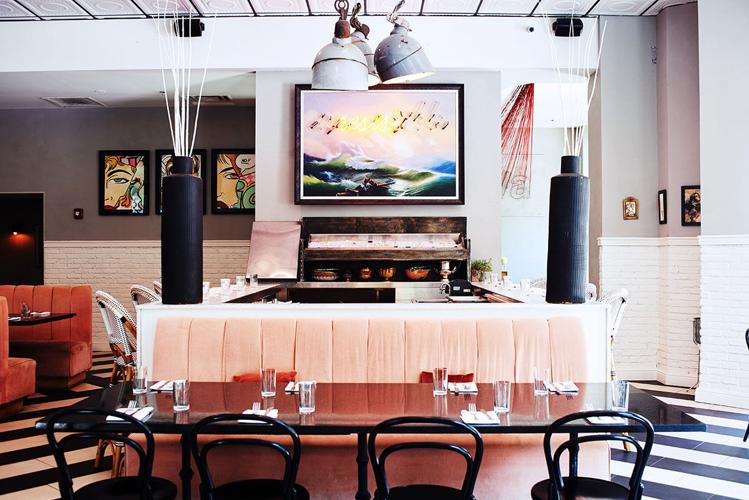
This year Boehm returned to Nashville, now under the umbrella of Boka Restaurant Group, again to a developing neighborhood, this time Wedgewood-Houston, to open three spots: Momotaro and Alla Vita — both restaurants that Boka also operates in Chicago — and Middleman, a new bar that literally connects the two Houston Street restaurants. Momotaro is a modern, seasonal Japanese restaurant with an extensive whiskey collection. Alla Vita is a buzzy spot — busy even at 5 p.m. on a weekday — with wood-fired pizzas and pillowy ravioli.

Alla Vita
Boka’s entry to Nashville — spurred by Ben Weprin, founder and CEO of AJ Capital, who knew Boehm and his business partner Rob Katz in his Chicago days — is not just a salvation story for his ego of 25 years ago. It’s a look at what happens to the people who were behind the restaurants that were ahead of their time. Most Nashvillians have a mental list of restaurants they loved but — because of the capriciousness of the restaurant industry, economic downturns, property tax bills or, as Boehm says, just being “an inch” off — didn’t make it.

Le Sel
A few restaurant names regularly come up when discussing these places. Le Sel, the French restaurant Strategic Hospitality ran for four years in the Adelicia Building, came along before anyone imagined that Nashville could be a city that supports Once Upon a Time in France, The Yellow Table, Cocorico, Olala and Pastis. Strategic has gone on to garner James Beard Award nominations and Michelin stars. Germantown’s Lulu was open for about a year, but is mentioned fondly by many — particularly due to offering gluten-free options before they were readily available. (Its owner was behind the recently closed Burger Up.)

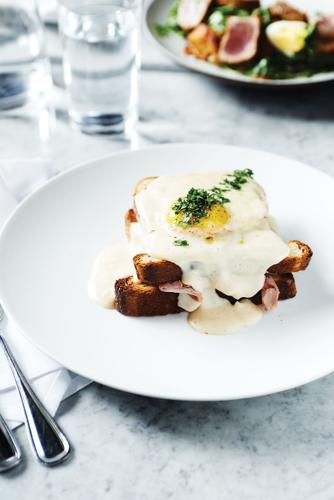
Food at Le Sel
In 2005, Jacque Schultz and her then-husband opened The YarD Shops connected to their home on Gallatin Pike. It was a challenge, she remembers, to get the necessary permits — Metro inspectors had a hard time seeing their vision for a gift shop with garden art, frozen custard, baked goods, coffee and Sunday live music jams, all from their yard and carport. They even hosted some weddings.
“I feel bad for anyone trying to open a mom-and-pop-type situation today — it’s 10 times worse than when we did it,” Schultz says of the red tape and expense.
Schultz grew up in Nashville, but had lived in Wisconsin for years and was excited to make frozen custard available to folks. (Burger-and-frozen-custard chain Culver’s didn’t open locations in Tennessee until 2014.) The YarD Shops sold Bongo Java coffee and Provence baked goods, ultimately lasting about two years. It was hard, Schultz says, to get people to get out of their cars for coffee. This was long before Lost and Found, Earl Espresso and Elegy opened in the neighborhood.
While The YarD Shops didn’t last, Schultz made lasting relationships there that have lasted, from the musicians who played in the yard who are now best friends to the coffee-and-custard regulars. One of the latter told her about Airbnb, which was starting just as The YarD Shops closed. Schultz turned part of her Inglewood home into a place to host visitors, and she says the hospitality she provides them is part of the skill she perfected at The YarD Shops. Showing off Nashville from her owner-occupied rental has been a good retirement project for her, and of course she makes sure everyone has lots of good coffee.

Salt & Vine
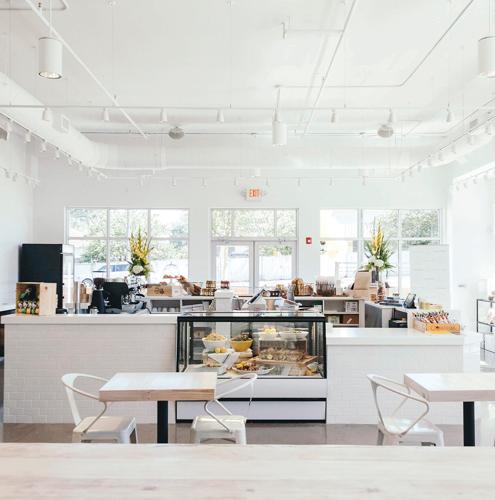
In West Nashville, Salt & Vine was designed to make wine more accessible to folks without a wine education and to offer an Ottolenghi-style approach to food to Nashville. Hannah Schneider, one of the owners of the shuttered restaurant, believes the spot was the first in Tennessee to have a wine bottle shop and a restaurant connected under one roof. The restaurant had a market counter with cheese and other dishes, so if you really loved something, you could take it and re-create it at home. The restaurant was led by women who have been essential to Nashville’s culinary scene, including Schneider, Mattie Jackson Selecman, Rahaf Amer and Molly Martin, the latter of whom went on to create Juniper Green.

Middleman
Schneider and Martin originally thought they would get more business from the growing number of apartments surrounding the Charlotte Pike restaurant. While locals did come in, it wasn’t on the regular grab-and-go takeout schedule that Schneider had seen in New York.
“We wanted it to be a local watering hole, a place you could meet up with friends at any time of the day,” Martin says. But at the time, the other businesses around it, including a nail salon, a hot dog eatery and a dentist, did not support that vibe. That retail complex has been home to several spots, including the ill-fated Chaatable. That was all before Charlotte Pike’s L&L Market and Sylvan Supply, both of which have demonstrated multiuse opportunities on Charlotte Pike.

Food from Alla Vita’s menu
Still, Martin says, “That was an inflection point in my career. Before that, I never allowed anyone to call me ‘chef.’”
“I think we were 10 years too early,” Schneider says. But she teases that all may not be lost for old Salt & Vine fans: She and Amer may have a Salt & Vine pop-up to announce in the near future.
Rob Katz, Boehm’s co-CEO and co-founder at Boka, knows that returning to Nashville was “a concern” for Boehm, given 6 Degrees’ failure. When Boehm opened 6 Degrees in The Gulch, it was hard to picture people living in the neighborhood, or the streets filled with restaurants and shops, much less murals that engender lines. When Weprin first toured Boehm and Katz around Wedgewood-Houston, his proposed changes were hard to visualize. But Katz is confident that this time, he and Boehm are in for the long haul with Momotaro and Alla Vita.
“Nashville is a different place than it was 25 years ago,” Katz says. “We are very deliberate about where we open restaurants. We are not looking to cash checks. We want to be part of the community.”



Post a comment as anonymous
Report
Watch this discussion.
(0) comments
Welcome to the discussion.
Log In
Welcome to the discussion.
Keep it clean. Please avoid obscene, vulgar, lewd, racist or otherwise abusive language. Comments featuring hate speech or threatening or violent content will not be tolerated.
PLEASE TURN OFF YOUR CAPS LOCK.
Be truthful. Don't knowingly lie or mislead.
Be proactive. Use the “report” link on any comment that violates our comment policy.
Share with us. We'd love to hear your feedback.