
Metropolitik is a recurring column featuring the Scene’s analysis of Metro dealings. Liz Garrigan lives in Bangkok, Thailand, and served as editor-in-chief of the Scene well before Nashville was a bachelorette destination.
Viewed historically, the outrage over Mayor Freddie O’Connell’s recent comments about rising property taxes — specifically as they relate to Acme Feed & Seed — feels like a giant nothing burger. If this is what passes for controversy these days, God help our Metro reporters.
It’s been nearly four decades since the city elected Bill Boner, a personality who perhaps a third or more of contemporary Nashvillians have never even heard of — an East Nashville boy who became a teacher before being elected first to U.S. Congress, and then to the city’s top job. Once there, his extramarital engagement to lounge singer Traci Peel overshadowed his tenure and made him a national laughingstock. (To this day he remains the namesake of the Scene’s annual list of blunders, the Boner Awards.)
For the past two-and-a-half years, the city has been led by a personality who could not represent a sharper contrast — a mayor whose greatest liability may be an excess of earnestness. The gap between these two men transcends disposition and character and tells a story of what Nashville used to be, and what it has elected to become.

Newly formed Nashville Property Tax Coalition says businesses will close without some form of intervention
Remembering Boner is instructive, because the Boner-to-O’Connell arc tells us everything we need to know about Nashville’s social and cultural metamorphosis.
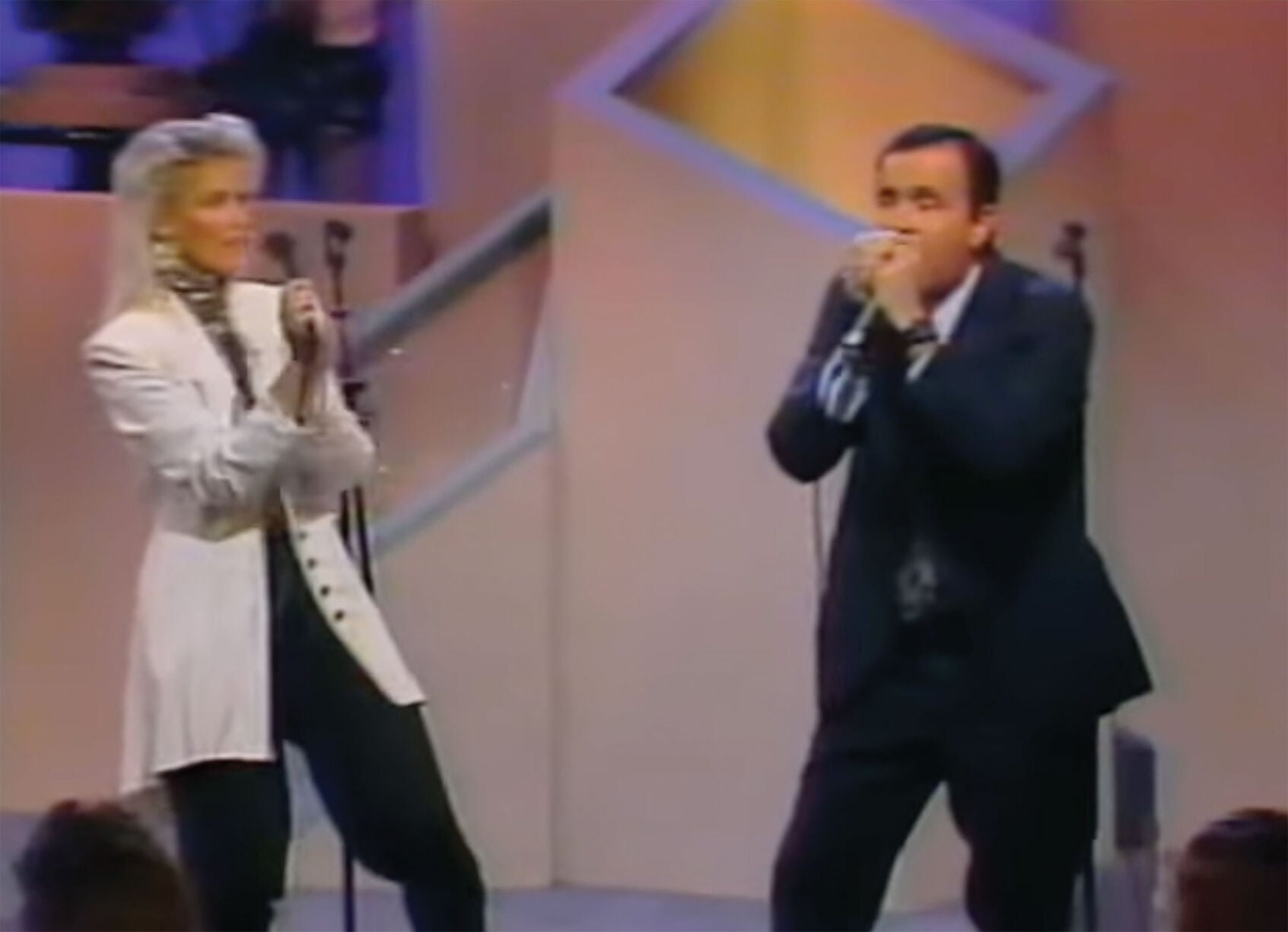
Boner was a familiar type for Nashville in the 1980s, when it was a place where the most valuable currency was relationships, not necessarily competence. Some of the details that would come to define him are shopworn by now — the tabloid-ready romantic life, the engagement that arrived before the divorce, the appearance on The Phil Donahue Show. It became inseparable from his story. He was a scandal, but he was our scandal. You didn’t have to approve of him to feel like you understood, or at least knew, him.
That kind of familiarity used to matter more than virtually anything else. Though Boner’s open disregard for the social mores that tend to govern the behavior of married people made many locals bristle after his election, Nashville was smaller then, more insular, less concerned with how it appeared to people who didn’t already live here. How else to explain how in the 1987 mayoral election, Boner — a Middle Tennessee State University graduate whose congressional tenure was marred by an ethics investigation — bested the Harvard-educated Phil Bredesen, who’d made a mint in the health care business and was cleaner than an Amy Grant Christmas album? It was affirmation of a core civic instinct: better the flawed character we know than the polished Shortsville, N.Y., carpetbagger we don’t. (The carpetbagger looked a lot more appealing four years later, when Bredesen ultimately was elected mayor in the wake of peak Boner mortification.)
That kind of devil-you-know impulse depends on a kind of scale that’s in Nashville’s rearview mirror.
When Boner was elected, Nashville was a city of fewer than a half-million people (where my rent was $300 a month). Today more than 700,000 people live in Davidson County — and more than 2 million in the total metropolitan area. The city that once drew a few million annual tourists now hosts something like 15 million. The economy has expanded to something unrecognizable, powered by industries that barely had a foothold in Music City in the early 1990s. You can’t run a place like that on a sense of intimacy.
The Nashville that made Boner possible was full of colorful people like him — politicians, bar owners, contractors, minor celebrities. Figures whose reputations arrived in the room before they did and held sway over the hearts and minds of voters for many decades, in some cases.
It doesn’t take a skyline full of cranes to make clear that version of Nashville is long gone.
Today the Nashville that O’Connell leads is bigger and richer. And yes, more prosperity means higher property taxes and higher rents. It is also far more invested than in decades past in how it chooses to present itself and how the rest of the world sees it. It doesn’t want to give off a whiff of hometown hick.
And yet the choice of O’Connell suggests something else too: that Nashville hasn’t entirely given up on the idea of itself. He’s a local in a way Nashville largely didn’t elect after Boner — that is to say, born and raised — and his politics of stadium skepticism and resistance to growth at any cost suggest a version of civic identity that is pivotal, moral, critical to Nashville’s evolution. (Yes, to the probable delight of Nashville native and former Mayor David Briley, we’re ignoring fellow townie Mayor John Cooper as an outlier data point.)
The fact that both O’Connell and Boner are Nashville-made is where the similarity ends. O’Connell is a much more refined version of local boy — the MBA and Brown pedigree (but the son of a teacher and civil servant, not hailing from the blue-blood class), existing on a plane adjacent to but not fully a part of the monied caste.

The Scene’s former editor-in-chief weighs in on the race — and lands on a wait-for-it deduction
I live in Bangkok now, and have for long enough that Nashville sometimes comes into focus differently from a distance. Somewhere between icepocalypses and ribbon cuttings, the city has become simultaneously easier to explain and harder to recognize. Watching the last mayoral race from afar, it seemed clear to me that O’Connell was the candidate who felt most genuinely of the city — not just positioned to run it, but actually shaped by it. And in all the ways that mattered most (read: politically courageous), he was unlike his opponents.
Still, Nashville’s insularity has evaporated, and it has become a place that needs leaders who can survive scrutiny. That means being less wonderfully weird (though we can always hang onto the era when O’Connell bought Daryl Hannah’s El Camino). The tradeoff is obvious and can’t be overlooked just to humor a little nostalgia. The city’s economy is broader, its reach farther, and its influence now global.
Meanwhile, like the city he led, Boner’s long gone, having settled down the road a piece in Franklin more than 20 years ago to teach social studies at Franklin High School.
The city didn’t just move on from him. It outgrew the version of itself that would have understood him — and when it came down to it, forgiven him.



Post a comment as anonymous
Report
Watch this discussion.
(0) comments
Welcome to the discussion.
Log In
Welcome to the discussion.
Keep it clean. Please avoid obscene, vulgar, lewd, racist or otherwise abusive language. Comments featuring hate speech or threatening or violent content will not be tolerated.
PLEASE TURN OFF YOUR CAPS LOCK.
Be truthful. Don't knowingly lie or mislead.
Be proactive. Use the “report” link on any comment that violates our comment policy.
Share with us. We'd love to hear your feedback.