

At a press conference earlier this month, Mayor Freddie O’Connell told reporters that he has two main priorities: community safety and affordability. The former has spawned several programs and appointees in the past several months alone.
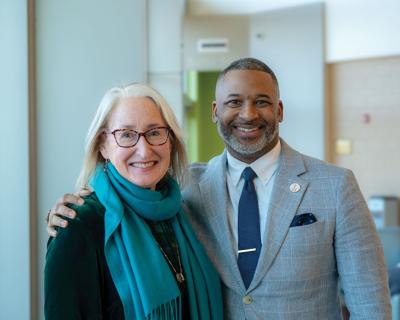
For the newly minted Community Safety Task Force, the plan is to make a plan — a comprehensive community safety plan — by this summer. The task force brings together 29 stakeholders led by Juvenile Court Clerk Lonnell Matthews and Sue Fort White, executive director of Our Kids, a nonprofit serving child victims of sexual abuse. The mayor’s office will also add a full-time position to support their work: a crime prevention and violence reduction director. This follows the mayor’s office having established an Office of Youth Safety in April.
As reported by the Nashville Banner, violent offenses were down nearly 14 percent in 2025 compared to 2024, and property crime decreased 12 percent year over year. Also last year, the city recorded its lowest total of homicides since 2014.
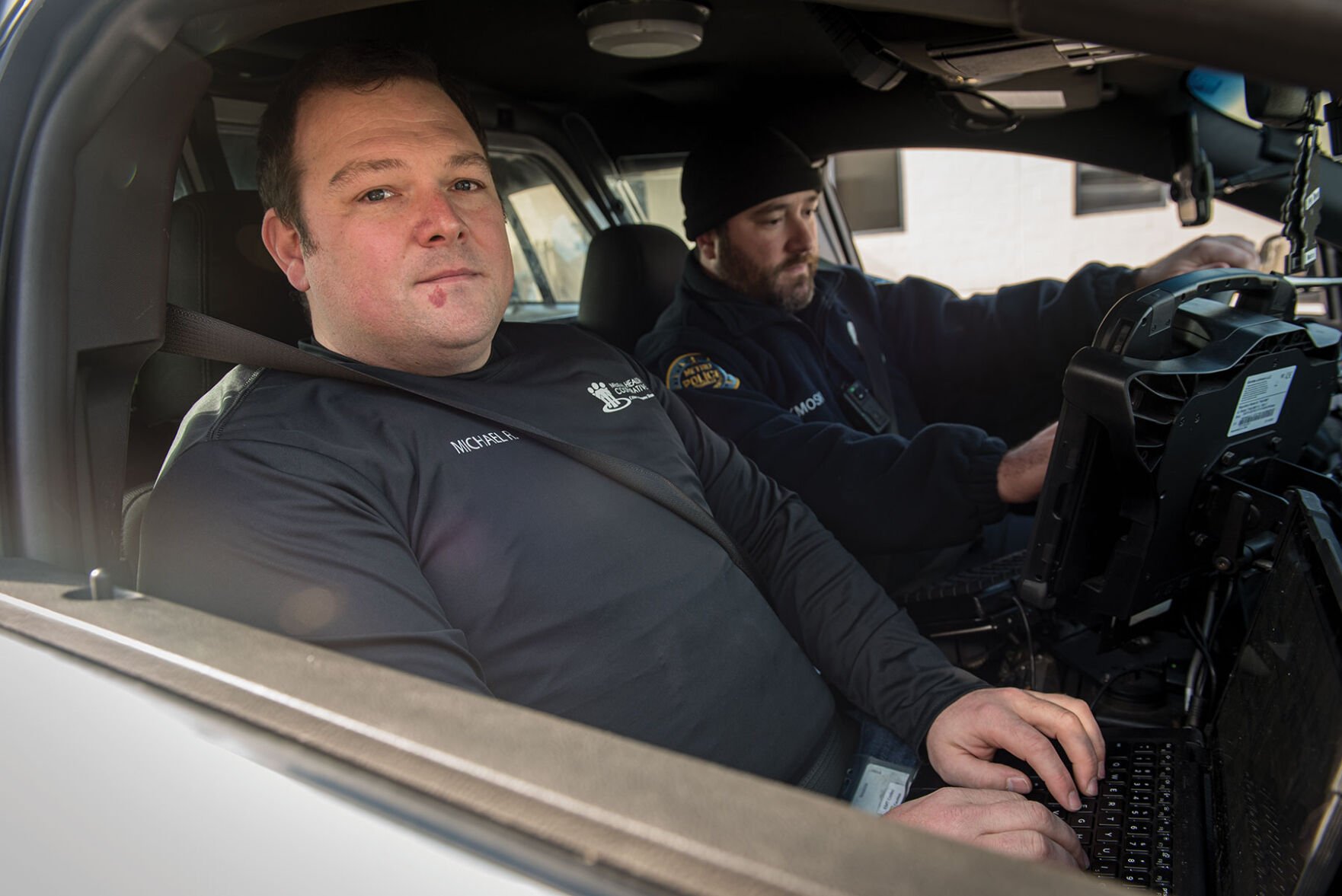
REACH goes 24/7 as it finishes third year; Partners in Care aims to add weekend coverage
During a Jan. 9 press conference, O’Connell credited the efforts of the Metro Nashville Police Department and acknowledged co-response programs REACH and Partners in Care for “distinguishing better between crisis and crime.” He also said decreasing crime is connected with the work of organizations like the Nashville Financial Empowerment Center and Metro Action Commission as well as free transportation through the WeGo Journey Pass program and access to affordable housing.
Similarly, the Metro Council recently formed an interpersonal violence working group, which met for the first time in December. That group is set to focus on domestic violence and human trafficking, starting with public service announcements in all Metro buildings to advertise resources like the Family Safety Center. District 14 Councilmember Jordan Huffman is part of both the working group and the Community Safety Task Force.
“I think it’s very important to celebrate the wins, but it’s also extremely important to ensure that people feel like we’re not giving up, that we’re not saying ‘case closed,’ and the mayor’s efforts here are doing that,” Huffman tells the Scene.
Human trafficking is a buzzy topic at the state level, and often the intended target of legislation backed by right-wing lawmakers. But no one political party owns the issue, Huffman says.
“My intention is to simply highlight a problem that we’ve got in this city,” he says. “While it’s not as prevalent as other crimes, it’s still a very important one for our city, just because we have so much traffic coming through Nashville. … If you’re in a bad situation, you may be looking for that one outlet to be able to say, ‘You know what, I need out.’”
A group deeply connected to Nashville’s violence interruption work is Gideon’s Army — a community-based restorative justice group established in North Nashville in 2010. An invitation to participate in the mayor’s task force never came, but Gideon’s Army founder Rasheedat Fetuga tells the Scene she is comfortable with her organization’s place.
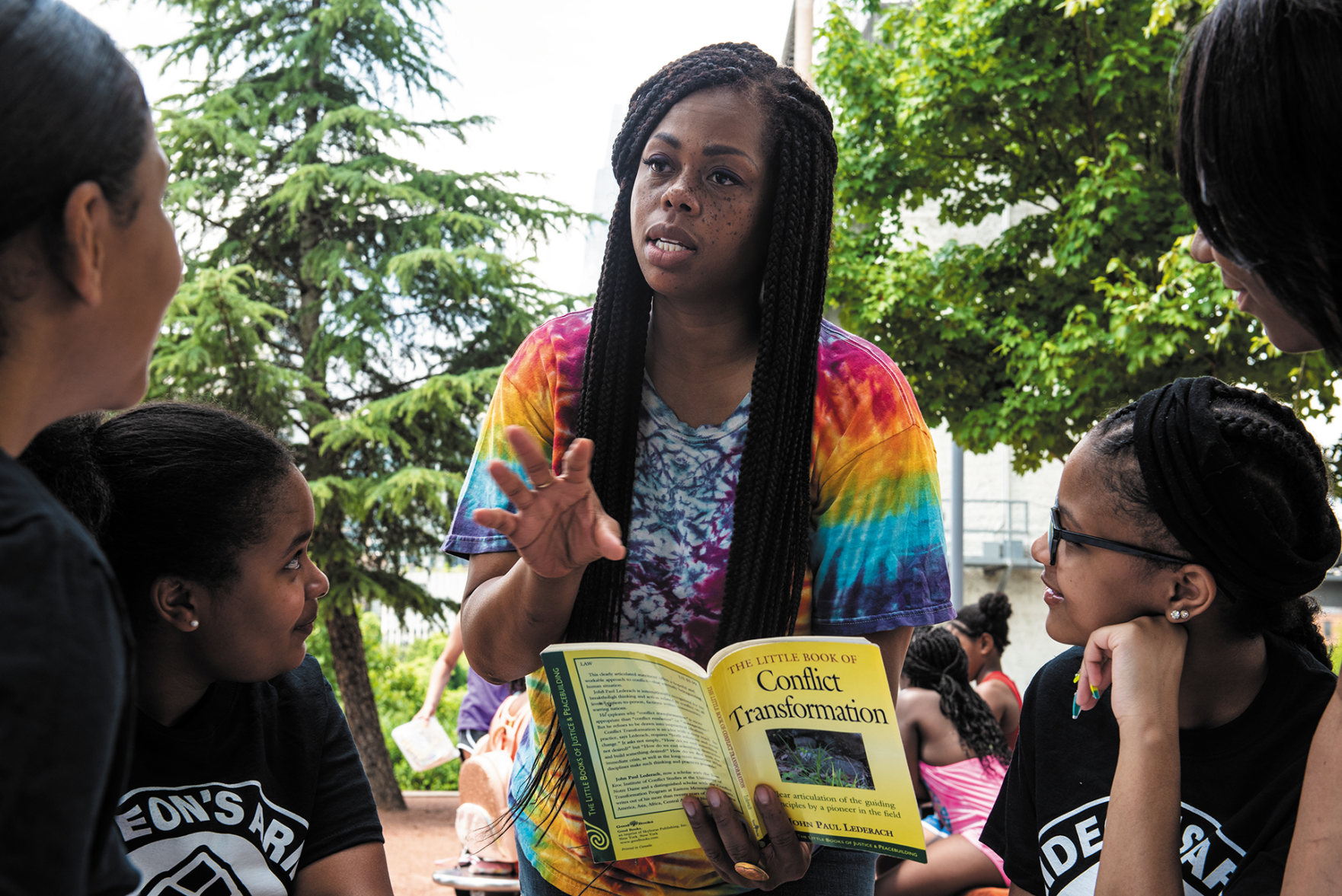
“I’m proud of the city’s continued focus on community safety and public health, and I welcome any effort that moves Nashville forward,” she says. “I don’t need to be centered in this work to believe in it. Gideon’s Army has always understood our role as catalysts — helping to plant seeds, shift narratives and prove what’s possible — even when we’re not the ones holding formal titles or seats at the table.”
For all the talk of lower crime rates, statistics are cold comfort to people who have experienced gun violence firsthand.
The MNPD refers people who have been affected by gun violence or were the perpetrators of violence to the Metro Public Health Department’s Group Violence Intervention program. In 2025, the MPHD team contacted 116 individuals, offering counseling and other resources through this process. The team recently met with Fisk University students following this month’s shooting death of 20-year-old basketball player Andre Bell.
“The numbers can be down, but it’s going to affect that individual’s family,” says Jarrell Summers, the program manager for community safety at the MPHD. “It’s going to affect the team member. It’s going to affect the community. When something like that happens, you can say the numbers are down, but somebody don’t care if the numbers are down, because ‘I just lost my family member.’”
Anidolee Melville-Chester, director of behavioral health and wellness at MPHD, agrees with O’Connell’s sentiments about crime and a lack of resources being deeply connected. She says that throughout her career, it hasn’t always been believed that community safety is a public health concern.
“When you think of violence, think of all the things that violence impacts,” she tells the Scene. “It impacts the family security, it impacts their economics, it impacts housing, it impacts health, it impacts well-being, it impacts their education. That is why this is a public health issue … because when those things are impacted, it’s going to impact the overall well-being of the person.”



Post a comment as anonymous
Report
Watch this discussion.
(0) comments
Welcome to the discussion.
Log In
Welcome to the discussion.
Keep it clean. Please avoid obscene, vulgar, lewd, racist or otherwise abusive language. Comments featuring hate speech or threatening or violent content will not be tolerated.
PLEASE TURN OFF YOUR CAPS LOCK.
Be truthful. Don't knowingly lie or mislead.
Be proactive. Use the “report” link on any comment that violates our comment policy.
Share with us. We'd love to hear your feedback.