
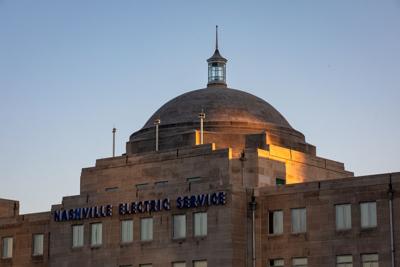

It’s been five months since Winter Storm Fern blanketed Nashville with ice, resulting in 230,000 power outages and intense scrutiny about Nashville Electric Service’s emergency response.
A newly released report highlights a lack of preparedness and other shortfalls by NES' storm response. The comprehensive, 133-page independent review, conducted by New York-based PA Consulting Group and approved by the public utility in February, showcases evidence of NES disorganization.

Utility will donate $1 million to recovery fund, suspend late fees and disconnects through June
The report’s findings begin by noting NES “has a strong culture of ownership and service,” but the utility provider’s response frequently relied on individual experiences rather than a unified command structure. While NES did have an emergency response framework, the report states there is “limited evidence” that procedures, restoration playbooks, preparedness activities and other guidance had been formally developed and maintained.
“NES’s emergency response organizational structure and plan lacked clearly defined roles and responsibilities, as well as the processes required to effectively scale during larger major events,” the report reads. “The organization demonstrated a reliance on institutional knowledge and tenured employee experience rather than documented procedures, creating risks as those knowledgeable individuals retire or leave the organization.”
The report also notes the restoration systems and processes implemented were not designed to support significant external help from mutual assistance and contractors, such as additional electrical line workers.
In addition, the report states that requests for outside assistance were not made early or broadly enough. The review found that NES lacked the forecasting tools, damage-prediction capabilities or decision thresholds needed to determine the number of external resources required for Winter Storm Fern. PA Consulting estimates that if external aid had arrived sooner, the overall restoration time could have been reduced by approximately two to five days.
NES failed to prioritize customer information and communication during the early stages of its restoration efforts, the report notes. During prior weather events, NES had not communicated estimated times of restoration after power outages. While the utility developed an estimated restoration time communication system seven days into its response efforts, the report says the late action limited the system's value.
NES’ two-way text messaging system was interrupted three separate times during the first four days of storm restoration, which resulted in nearly nine hours of downtime for the system. The report says NES’ outage map “provides limited customer-facing functionality” as compared to those of peer utility providers in other cities.
The report also found that NES operations have not kept up with customer growth.
“NES’s customer base has grown steadily over the past decade," the report reads, "however, opportunities remain to mature operational processes and fully operationalize technology capabilities that support emergency response, restoration operations, and customer communications.”
“Winter Storm Fern demonstrated how process gaps (estimated time of restoration) and underutilized technology (manual tracking and prioritization of outages) can hinder restoration effectiveness.”

Six weeks after Winter Storm Fern knocked out power for hundreds of thousands of people, Nashvillians are looking for answers
As a result of these findings, the report lists 58 recommendations for NES. These include establishing and maintaining clear emergency preparedness procedures, training and command structures as well as developing a “customer-centric” strategy for communicating estimated time restorations. The report also recommends expanding the utility's mutual assistance network and implementing better strategies to mobilize outside aid.
The report does note that changes in the forecast, hazardous road conditions and extensive damage to vegetation (like fallen trees) and infrastructure also played a role in delaying NES’ restoration efforts.
The report commends NES for its vegetation management efforts during the months after the storm, noting that this practice could be expanded. This includes tree-trimming, which has received pushback from some Nashvillians and Metro councilmembers.
In response to the report, NES supplied reporters with a 59-page slide deck set to be presented at the utility provider’s board meeting on June 24.
“Much of what the review recommends is already underway,” the presentation reads. “NES did not wait for the report. The four pillars work began right after the storm, and a good share of the 58 recommendations are already being addressed through it. Recommendations will be taken seriously. NES will weigh each one, decide how to tackle any unaddressed issues, and plan how and when to act. This deck is the starting point for that, not the final word.”
The “four pillars” are an initiative implemented by NES in February, which focuses the organization’s work on storm readiness and response, customer experience and operations, estimated time of restoration and resiliency.
The presentation lists all 58 of PA Consulting’s recommendations, paired with what actions NES has taken since the storm — outlining what appears to be a massive overhaul of NES’ emergency preparedness and communication operations.
The report lands after proposed council resolutions to fire NES CEO Teresa Broyles-Aplin and to express a lack of confidence in the NES board regarding the winter storm response. However, the resolutions were indefinitely deferred at a June council meeting.



Post a comment as anonymous
Report
Watch this discussion.
(0) comments
Welcome to the discussion.
Log In
Welcome to the discussion.
Keep it clean. Please avoid obscene, vulgar, lewd, racist or otherwise abusive language. Comments featuring hate speech or threatening or violent content will not be tolerated.
PLEASE TURN OFF YOUR CAPS LOCK.
Be truthful. Don't knowingly lie or mislead.
Be proactive. Use the “report” link on any comment that violates our comment policy.
Share with us. We'd love to hear your feedback.