
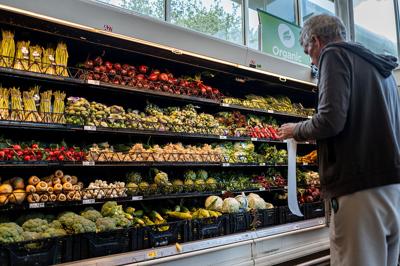

Starting Sunday, Nashville groceries will get just a little bit cheaper. A 0.5 percent reduction in the local grocery tax — proposed by Mayor Freddie O’Connell months ago and passed by the Metro Council in June — goes into effect Nov. 1. Metro estimates that this local portion of the grocery bill contributes about $9 million to the city budget, a cost O’Connell defended Friday as worthwhile for Nashville families.
“It does amount to a reduction in our ability to capture revenue with a very limited set of tools to put revenue into public services and public resources,” said O’Connell on Friday morning. “ I think as we look at this, this is something that will be broad-based and offer some immediate economic relief starting this weekend.”

Council approves $3.8 billion spending plan that includes Barnes Fund funding, grocery tax relief, return of entertainment commission
Affordability defines the current political moment. O’Connell, a Democrat, used the timely deadline to put heat on Republican state legislators. While the city knocked off 0.5 percent from grocery bills, it still levies 1.75 percent as a local-option grocery tax. The state adds another 4 percent to groceries and 7 percent to prepared foods. This year, Republicans killed legislation from state Rep. Aftyn Behn (D-Nashville) and state Sen. Charlane Oliver (D-Nashville) to end the regressive tax on daily essentials. On the campaign trial, Democratic gubernatorial candidate Jerri Green regularly reminds voters that she plans to end the grocery tax if elected next week.
“The state has considered grocery taxes, and going back just a few years, the state did do a statewide reduction in the grocery tax,” O’Connell added Friday. “I'd love for them to continue doing that, to maybe even zero it out. I'd love that policy being made at the state level so we're not having to make this difficult decision at a local level.”
Some Metro councilmembers bristled when O’Connell proposed the small local reduction in his budget. Estimates put the resulting family savings around $72 a year, while housing and transportation continue to get more expensive.
“I believe that no one should pay taxes on the groceries they need to feed their family,” wrote Councilmember At-Large Quin Evans Segall in June. “But a blanket grocery tax cut also reduces taxes on a wagyu steak, while doing relatively little for the family choosing between rent and groceries. When weighing $6 a month against investments that could actually lower someone's rent and childcare expenses, I decided we should target these large, structural items affecting our cost of living for those who need it most.”
After taking heat for rising property tax bills, O’Connell had visible political hay to make — the 0.5 percent grocery tax reduction mirrors O’Connell’s successful 2024 transit referendum, which increased sales taxes by 0.5 percent for Choose How You Move funding. The mayor maintained that small savings are still savings, and the Metro Council approved the cut with its 2027 budget.



Post a comment as anonymous
Report
Watch this discussion.
(0) comments
Welcome to the discussion.
Log In
Welcome to the discussion.
Keep it clean. Please avoid obscene, vulgar, lewd, racist or otherwise abusive language. Comments featuring hate speech or threatening or violent content will not be tolerated.
PLEASE TURN OFF YOUR CAPS LOCK.
Be truthful. Don't knowingly lie or mislead.
Be proactive. Use the “report” link on any comment that violates our comment policy.
Share with us. We'd love to hear your feedback.