


Metropolitik is a recurring column featuring the Scene’s analysis of Metro dealings.
The Tennessee Supreme Court picked up its pace throughout the summer, issuing small flurries of decisions throughout July and August, but it has remained silent since an unrelated disbarment opinion on Sept. 4. Nashville has been waiting impatiently — maybe not the average resident, who likely can’t recall their specific council district number among the 35 apportioned districts across Davidson County, but the legal and representative components of Nashville who sued over the state’s attempt to cap “metropolitan councils” at 20 people.
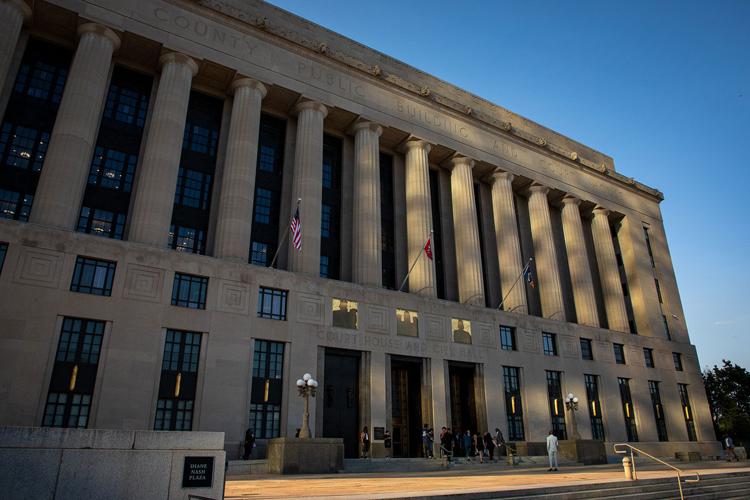
Lynchburg and Trousdale, Tennessee’s only non-Nashville metro councils, have nothing to worry about — they’re already compliant with the 20-member cap. Nashville’s five at-large councilmembers make it a 40-person body in total, unwieldy and unpredictable, but also amenable to the hybrid citizen-lawmaker once praised as the ideal atom of democracy, especially by conservatives. August 2027 city elections will look like years past if Nashville wins its lawsuit to keep the current council structure in place. If the Tennessee Supreme Court affirms a lower court ruling from last year, which the city appealed under former legal director Wally Dietz in summer 2025, big changes will remake the chamber as a smaller body likely hosting better-staffed and better-funded local lawmakers.
“The Tennessee Supreme Court is keeping us all in suspense about the fate of our Metro Council as we await a ruling,” says Tyler Chance Yarbro, a former Metro public defender and private-sector attorney who succeeded Dietz in August. “While we are thinking through all possible outcomes, we remain hopeful that the Court will agree with the trial court’s original decision and vindicate Nashville’s right to determine how it governs itself.

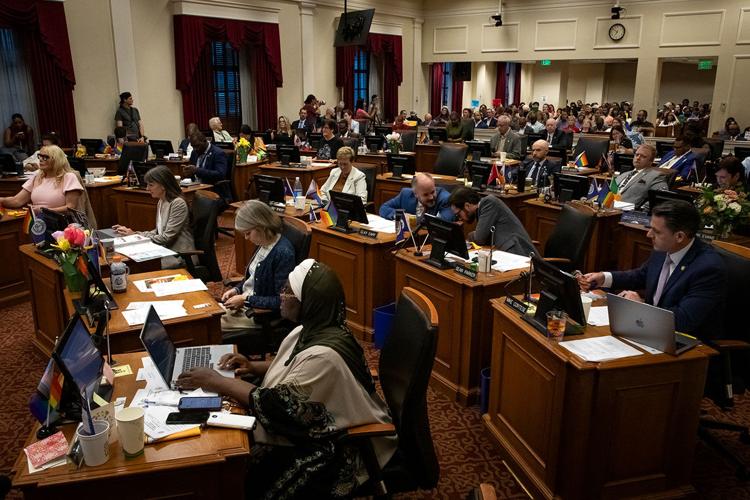
The Metro Council
Yarbro, who will help steer the city’s response to whatever opinion does come down, declined to go into detail about contingencies. Councilmembers, like city attorneys, are privately gaming out what might happen and to whom. A third of the city’s councilmembers are currently term-limited — continued eligibility for at least 10 members may be another question in a new, structurally distinct body — and with the body capped at 20, districts would consolidate under several more, pitting current members against each other in August.
Should the court affirm a 20-person cap, Metro will be left to respond with next steps and implementation. They would navigate uncharted — and unchartered — territory. Winter and spring could bring a mini charter convention where members seek public input alongside a formal legislative process to draft and adopt new maps. For prospective candidates, conflicts of interest will loom over debates about what lines are drawn. Mayoral and vice mayoral elections are already beginning to shape the chamber 11 months from Election Day.
“ The council office, the mayor’s office and probably the planning department are gonna have to all work really closely together — under the law, council will effectuate changes, but that doesn’t make it council’s decision,” Councilmember At-Large Quin Evans Segall tells the Scene. “A lot of us think that there needs to be some sort of public process around this. The [Metro Charter] itself was a very public process. The question is, how do we do it in a way that gives voters a say in the very limited amount of time we’re going to have? Particularly, how do we do that in our current environment, when everyone is rightly worried about our democracy?”

Judges agree that state law 'results in upheaval of the election process'
The Metro Planning Department produced maps in 2023 when the state legislature took its first pass at reducing Nashville’s Metro Council. As the legal process slowly unspooled, longtime city planner Greg Claxton helped develop these concept pieces, according to those familiar with the process. (Claxton declined to speak with the Scene for this story, citing the ongoing court case.) Two maps reviewed by the Scene, one with 15 districts and one with 17 districts, would create a chamber with stark differences. Both expand the city’s downtown power center under one candidate, consolidate East Nashville under another, and give most of Nashville by acreage to the two or three members representing Bellevue and the county’s sparsely populated northern hills. Reduction can be efficient and inelegant.
Evans Segall, who also works full-time as an attorney, doesn’t want to get into how much time she spends on council business. Members balance their day jobs with city service, which pays a little more than $25,000 annually. It’s a pittance compared to peer cities like Charlotte, Austin, Denver and Phoenix, which keep smaller councils that provide models for a potential Nashville remake.
Today, the city’s lawmakers squeeze phone calls, meetings and emails around normal life and workdays. Like many, Evans Segall speculates that, if the court cuts the council in half, fewer and bigger districts will require higher pay and dedicated personal staff to keep up. Shrinking the council could also balloon total costs for members and council staff. It would also filter candidates based on who can take the salary, what careers can tolerate a four-year gap and who wants to be a full-time councilmember. It would select professional politicians handling more constituents across more land — smaller and bigger government at the same time.



Post a comment as anonymous
Report
Watch this discussion.
(0) comments
Welcome to the discussion.
Log In
Welcome to the discussion.
Keep it clean. Please avoid obscene, vulgar, lewd, racist or otherwise abusive language. Comments featuring hate speech or threatening or violent content will not be tolerated.
PLEASE TURN OFF YOUR CAPS LOCK.
Be truthful. Don't knowingly lie or mislead.
Be proactive. Use the “report” link on any comment that violates our comment policy.
Share with us. We'd love to hear your feedback.