

Metropolitik is a recurring column featuring the Scene’s analysis of Metro dealings.
A week after Winter Storm Fern froze Davidson County, the thaw finally arrived — an extended period of higher temperatures that melted snowbanks and ice on slick roadways. Muddy grass returned from underneath frozen sheets of snow. What appears like a slow return to normal comes with prolonged electrical outages, water main breaks across Nashville and continued damage for families and top city officials who bear the brunt of an angry public traumatized by a historic ice storm. As of Feb. 2, the city has reported five storm-related deaths with many more injuries and widespread property damage.
Fern lined up a destructive combination of snow, sleet and subfreezing temperatures in quick succession, with multiple inches of snowfall starting around midday Saturday, Jan. 24. Families sledded and young people packed the bars, celebrating Nashville’s annual snow day. But temperatures plunged overnight as frozen rain coated the city with a layer of ice. Many remember hearing loud cracks while lying in bed early Sunday morning — branches breaking off of trees, burdened by the weight of frozen water. As ice destabilized bigger branches — and even entire trees — they took out powerlines and utility poles. Power outages peaked around 230,000 customers late Sunday. Downed trees and ice made roads impassable.
A split-screen flow of information defined the next week for the hundreds of thousands of Nashvillians without power. Rumors and storm-related AI photos spread on social media, feeding the frustration of many families facing an unknown stretch without electricity. The weather jeopardized basic necessities for life, and the disconnected city switched into survival mode. Some hunkered in unheated homes while others relied on the generosity of family or friends with power or generators. Forty-six children were treated for symptoms of carbon monoxide poisoning — a risk from operating generators and heaters indoors — as of Jan. 27, according to a statement from Monroe Carell Jr. Children’s Hospital at Vanderbilt. The earliest, best advice from Metro leaders reflected the moment’s complete uncertainty: If your home doesn’t have power, find Plan B.

O'Connell notes utility will be 'held accountable' regarding power restoration efforts, issues executive order to form storm-response commission
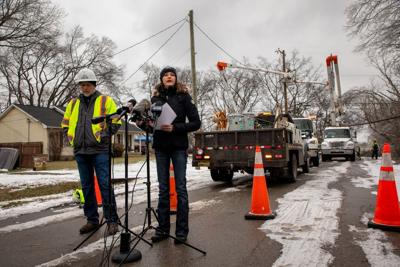
City leaders began daily briefings on Jan. 25, with Mayor Freddie O’Connell appearing next to crisis leads like Metro Nashville Police Chief John Drake and Nashville Fire Department Director-Chief Will Swann from a Metro “war room.” The city added fire and police stations to its warming shelter network. They all repeated the same vague talking points — prepare for a “prolonged” outage, prepare for multiple days, utilize warming shelters or secondary options. In essence, no one knows when your power will be back on.
The bad news, and lack of confidence, fomented sharp public backlash aimed at Nashville Electric Service leadership. Brent Baker, an NES executive overseeing power restoration, initially joined the mayor’s briefings until O’Connell began distancing himself from the city’s local power company. Many cheered the linemen working around the clock to separate branches from power lines and repair blown transformers, but traded speculation that NES wasn’t prepared and didn’t have enough people. One rumor — that NES turned away linemen from the International Brotherhood of Electrical Workers — took hold among frustrated Nashvillians, gaining strength after a Tennessean article cited comments from a low-level IBEW employee. A senior union official soon denied the rumor, saying, “Reports of IBEW line crews being turned away from helping Nashville recover from the ongoing winter storm are unequivocally false.” The utility has employed IBEW and Service Employees International Union workers throughout the storm. According to SEIU union leader Maura-Lee Albert, NES began the storm understaffed, and should have about 150 more frontline workers.
NES restored power in big chunks at first. Total customer outages dropped from 230,000 to below 100,000 within a few days before progress slowed as work became more fine-grained, with restoration totals flattening below 10,000 a day by Jan. 31 — even as more linemen crews came online. At NES’ separate storm briefings, Baker and CEO Teresa Broyles-Aplin evaded or declined to answer basic questions about the restoration process. Neighborhoods with old-growth tree canopy and low population density are last on the list as work there is the least time-efficient. Forced out of their homes, thousands of families struggled to make plans for the week without any timeline or information from NES, which published its first restoration schedule on Jan. 31 — estimating that 100 percent of “customers who can receive power” would have their power restored by Feb. 9, more than two weeks after the first outages began. More than 25,000 customers were still without power as of Feb. 2. Frozen pipes and water main breaks have compounded damage.
The result has been a city — and many residents — underprepared for an ice storm. O’Connell, expected to run for a second term in 2027, has maneuvered his office in the past few days to direct Fern’s political damage to NES, a business entity financially separate from Metro. The mayor can’t fire its executives, but he does appoint the NES board; many want O’Connell to clean house as a gesture of strong leadership. The mayor has described the utility as “unequipped to communicate” in a crisis, issuing an executive order on Feb. 2 “establishing a Commission to Review Preparation and Response to the January 2026 Winter Storm.” The mayor says the commission will hold hearings and request the assistance of the Metro auditor, and is expected to return its initial findings within six months. When asked Monday if he intends to fire any NES board members, O’Connell told reporters he has not decided yet whether he will do so — though he is exploring his and the Metro Council’s ability to do so.
The storm’s fallout is far from over, and O’Connell will try to regain public trust as Nashville families rebuild in the coming months.



Post a comment as anonymous
Report
Watch this discussion.
(0) comments
Welcome to the discussion.
Log In
Welcome to the discussion.
Keep it clean. Please avoid obscene, vulgar, lewd, racist or otherwise abusive language. Comments featuring hate speech or threatening or violent content will not be tolerated.
PLEASE TURN OFF YOUR CAPS LOCK.
Be truthful. Don't knowingly lie or mislead.
Be proactive. Use the “report” link on any comment that violates our comment policy.
Share with us. We'd love to hear your feedback.