
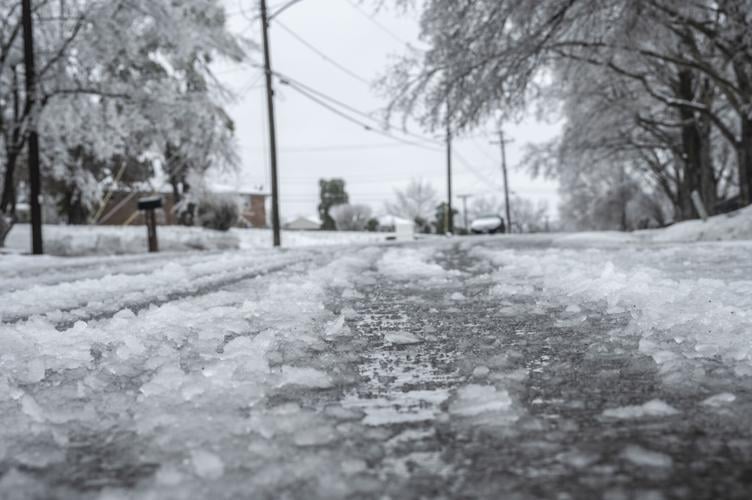
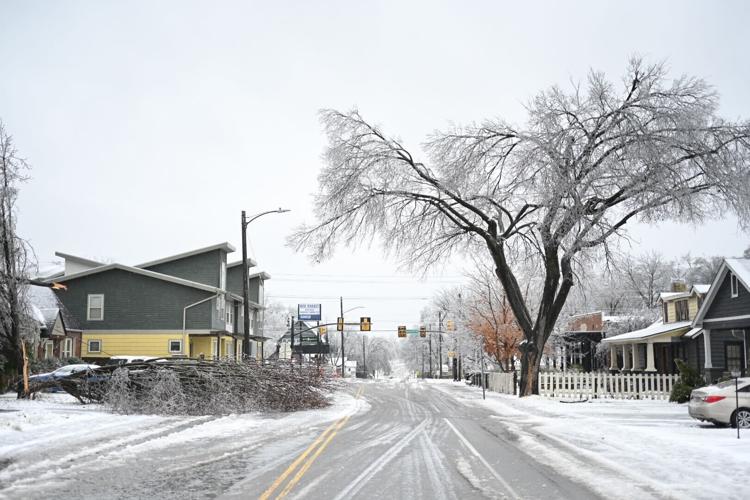
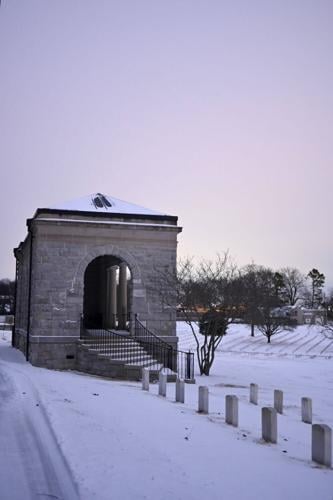
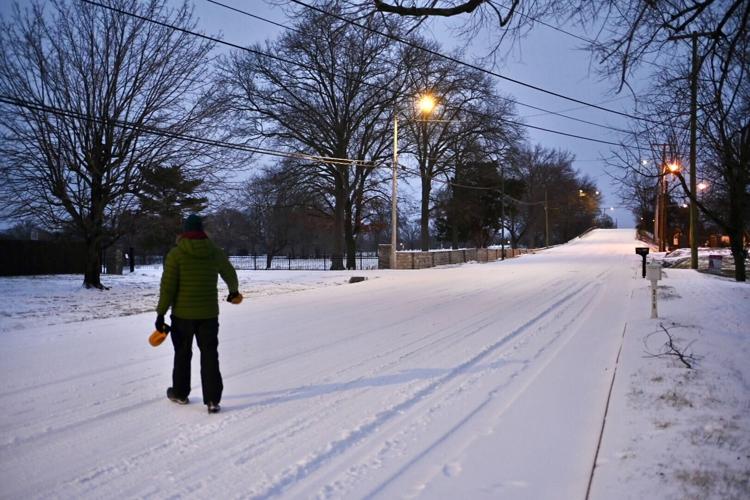


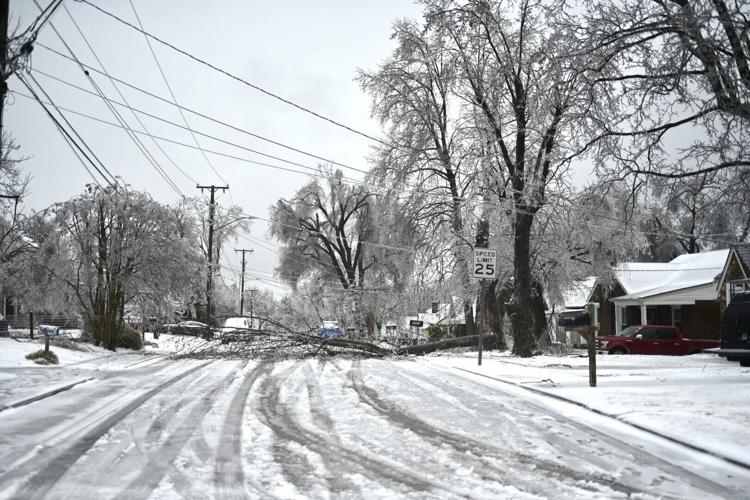
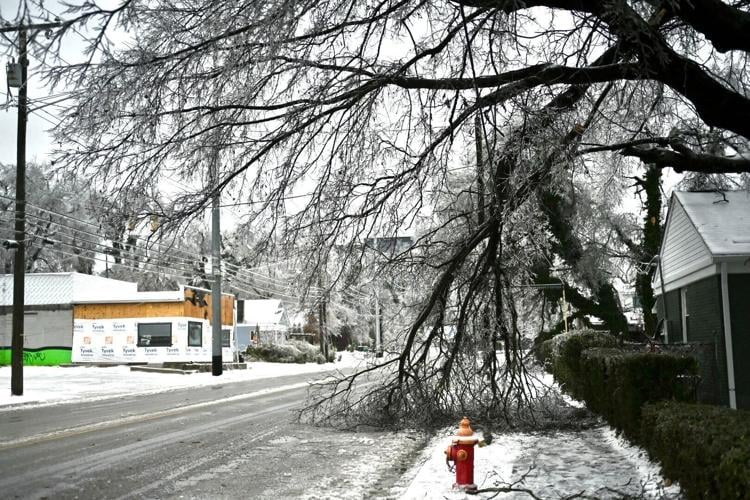
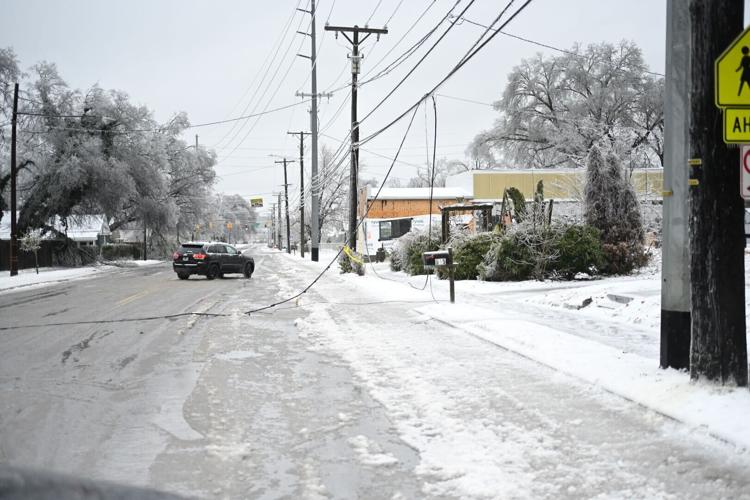
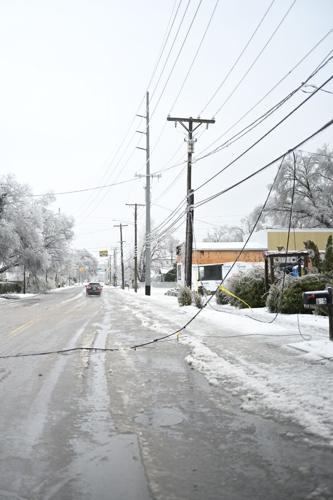


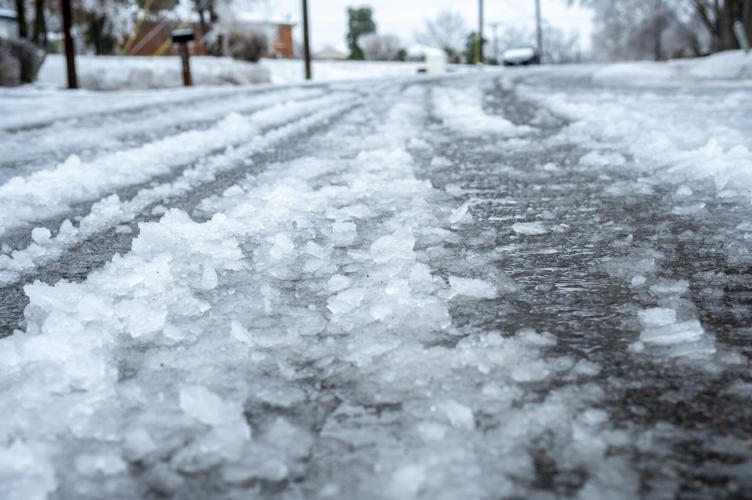

Following the declaration of a state of emergency in Davidson County due to extreme winter weather, Mayor Freddie O’Connell hosted a video press conference late Sunday afternoon alongside the heads of the city’s emergency services operators.
“We have a long way to go before this is over,” said O’Connell. “The weather is going to continue to worsen over the next 24 hours, and most of all we want people to be safe.”
O’Connell and other officials on the call — including Office of Emergency Services Director-Chief Will Swann, Metro Nashville Police Chief John Drake, NES chief Brent Baker and others — confirmed that more than 215,000 Nashville Electric Service customers are currently without power. Officials told media that they are aware of 56 downed utility poles, though falling trees and branches are also a primary concern.
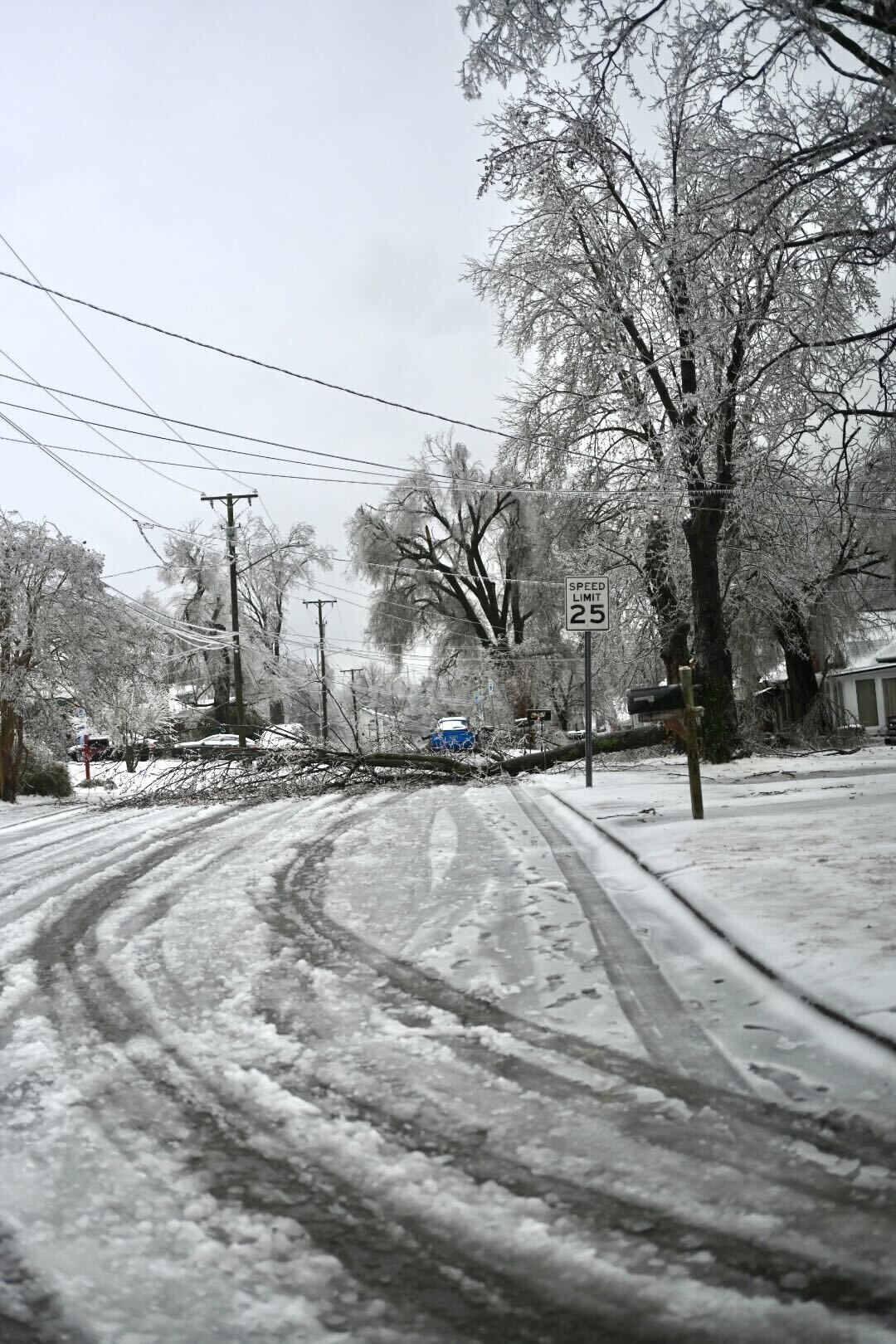
When asked if Nashville has ever before seen this level of power outages, Baker told reporters that Nashville’s May 2020 derecho — which saw roughly 200,000 outages — was the closest comparable event. Baker also referenced 1994’s historic winter storm, though he noted that event did not see as high a number of outages in the Nashville area.
Metro Nashville Public Schools have been closed for both Monday and Tuesday, with government buildings including the Metro Courthouse set for closure Monday. Swann told reporters that all Nashville Fire Department stations are available as temporary warming centers, as are all MNPD precincts aside from the East and Central precincts. (Find maps of fire stations and police precincts here and here, respectively.) Other temporary warming locations include the Southeast Regional Community Center (5260 Hickory Hollow Parkway in Antioch), the Madison Community Center (550 N. Dupont Ave.) and the Fairgrounds Nashville (401 Wingrove St.).
The Nashville Department of Transportation has asked residents to keep travel to an absolute minimum during the icy conditions as NDOT and NES crews work to restore power and roads. For essential travel, officials ask that residents consult Metro’s list of primary snow routes — 2,475-plus miles of roadways listed as “snow-removal priority routes.”
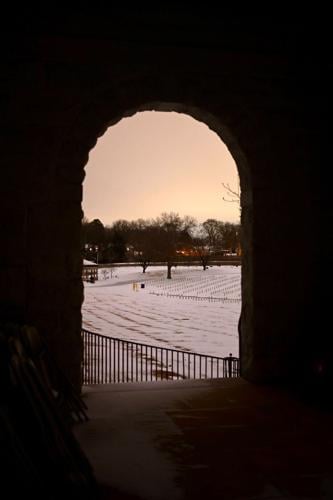
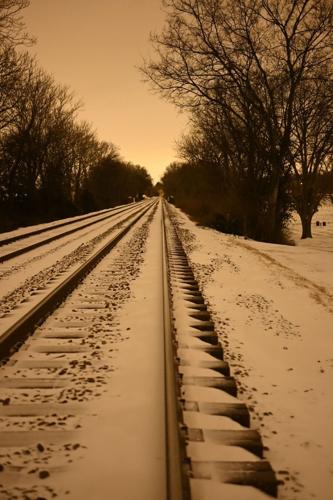
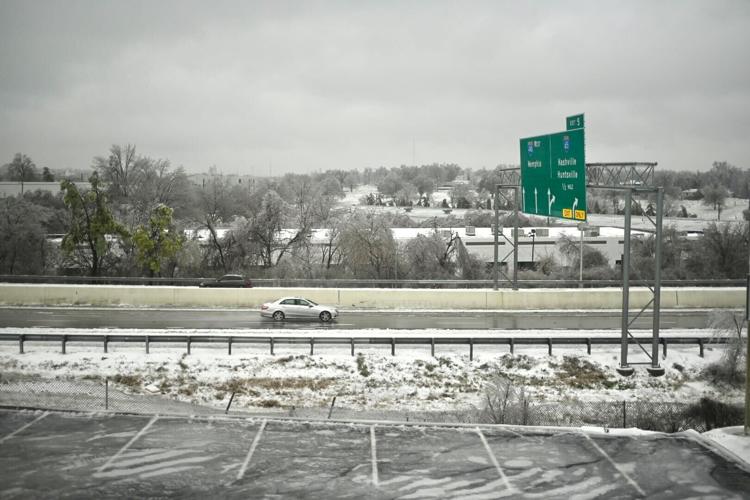
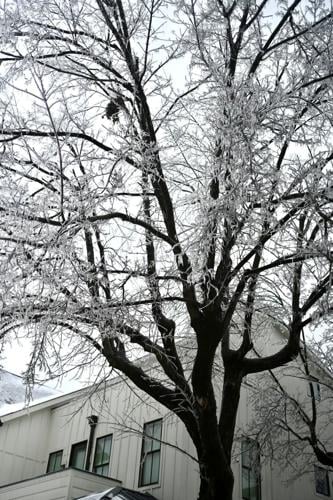
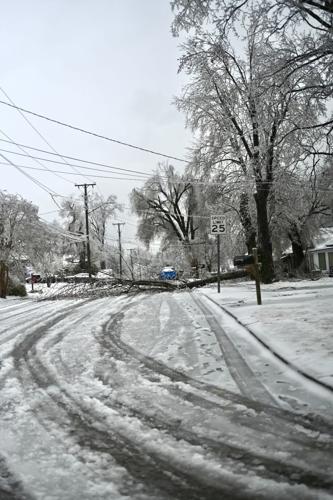
Above, see shots from Scene photographers Angelina Castillo and Eric England.



Post a comment as anonymous
Report
Watch this discussion.
(0) comments
Welcome to the discussion.
Log In
Welcome to the discussion.
Keep it clean. Please avoid obscene, vulgar, lewd, racist or otherwise abusive language. Comments featuring hate speech or threatening or violent content will not be tolerated.
PLEASE TURN OFF YOUR CAPS LOCK.
Be truthful. Don't knowingly lie or mislead.
Be proactive. Use the “report” link on any comment that violates our comment policy.
Share with us. We'd love to hear your feedback.