
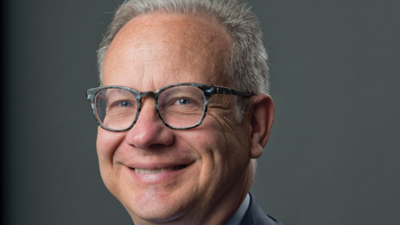


David BrileyPhoto: Eric England
David Briley has been in the mayor’s office for a little more than six months now. It’s felt more like a year.
Setting aside the extraordinary and controversial circumstances surrounding his ascension to the office — Briley took over as acting mayor in March following Megan Barry’s resignation amid a scandal involving an affair with her bodyguard and misuse of public funds — his short tenure has been turbulent to say the least. Briley’s good relations with traditional bases of support have been strained, and with a mayoral election less than a year away, one wonders whether incumbency will prove to be a weight around his neck.
Briley’s first weeks in office were spent becoming the face of a mass transit plan that was decisively rejected by voters. The multibillion-dollar plan, which was first unveiled by Barry a little more than a year before it was rejected, was the largest proposed civic project in the city’s history. More than 65 percent of voters cast a ballot against it, making Briley and the plan’s other cheerleaders appear wildly out of touch with the public.
Still, Briley won the May special election to serve out the remainder of Barry’s term with 54 percent of the vote. His reward was to put his name on a Metro budget signaling that New Nashville may have been built on a shaky fiscal foundation: Briley’s proposed budget did not come anywhere close to fulfilling the funding request made by Metro Nashville Public Schools, and it did not include a promised cost-of-living pay increase for city employees. Briley opposed a property tax increase that the Metro Council nearly approved. That allowed him to fulfill a campaign promise, but could very well contribute to another tough budget cycle next year when he’s in the midst of another campaign.
A little more than a month after the budget passed, Officer Andrew Delke, a white Metro police officer, shot and killed a black man named Daniel Hambrick in North Nashville. Hambrick was fleeing a traffic stop, and video released in the weeks after the shooting showed Delke shooting him in the back. The shooting — the second such incident in Nashville in less than 18 months — prompted calls from prominent community groups and Metro Council members for Briley to fire Metro Police Chief Steve Anderson. But Briley has stood by the chief so far, and that — combined with Briley’s opposition to a proposed community oversight board that will be on the Nov. 6 ballot — has put him at odds with a constituency he has traditionally gotten along with. Criminal-justice and policing-reform advocates have grown frustrated with what they see as moves to pre-empt or circumvent their efforts.
And then, earlier this month, came the final approval of a Major League Soccer stadium at Nashville’s fairgrounds. That project has brought with it all the contentious hubbub Nashvillians have come to expect from any proposal involving that property. A community benefits agreement was reached, mitigating concerns voiced by some neighborhood advocates about issues like local hiring, wages and affordable housing. The stadium deal doesn’t seem likely to turn voters against Briley on its own — it too was initially proposed by the Barry administration — but it has clearly frustrated those who have grown weary of Nashville’s practice of pulling together sweet deals for wealthy and well-connected developers.
In a speech to the Rotary Club of Nashville earlier this week, Briley said his time in office so far had included three all-consuming issues: the transit referendum, the budget and the soccer stadium. Even if one counts the stadium deal as a success for Briley, that’s a tough record. Briley went on to tell the Rotarians that the city’s “vitals” are strong, but that would undoubtedly be disputed by many of the people who will be voting for mayor again in August 2019. Pockets of poverty persist in the city, a shortage of affordable housing is the most talked-about issue that won’t go away, and the extent to which whole swaths of Nashvillians lack trust in the city’s leadership is being further revealed all the time.
When Briley ran to secure the title of mayor officially in May, he attracted support from established bigwigs because he represented a continuity that they found calming. But for many other Nashvillians — particularly those who struggle to identify ways they’ve benefited from the city’s boom years — “more of the same” is a toxic message.



Post a comment as anonymous
Report
Watch this discussion.
(0) comments
Welcome to the discussion.
Log In
Welcome to the discussion.
Keep it clean. Please avoid obscene, vulgar, lewd, racist or otherwise abusive language. Comments featuring hate speech or threatening or violent content will not be tolerated.
PLEASE TURN OFF YOUR CAPS LOCK.
Be truthful. Don't knowingly lie or mislead.
Be proactive. Use the “report” link on any comment that violates our comment policy.
Share with us. We'd love to hear your feedback.