

At Hope Gardens
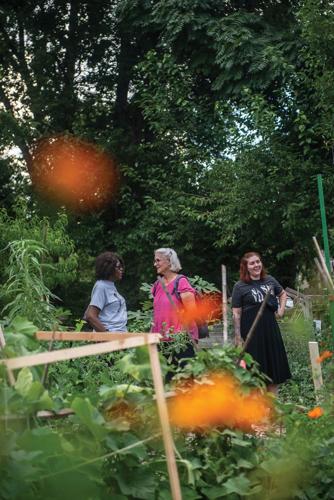
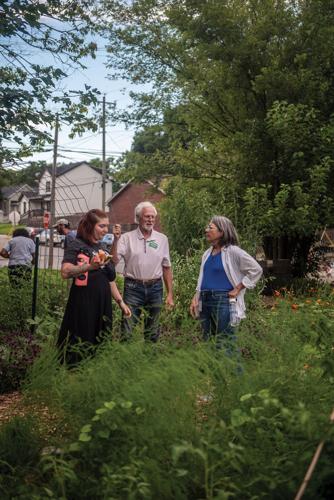
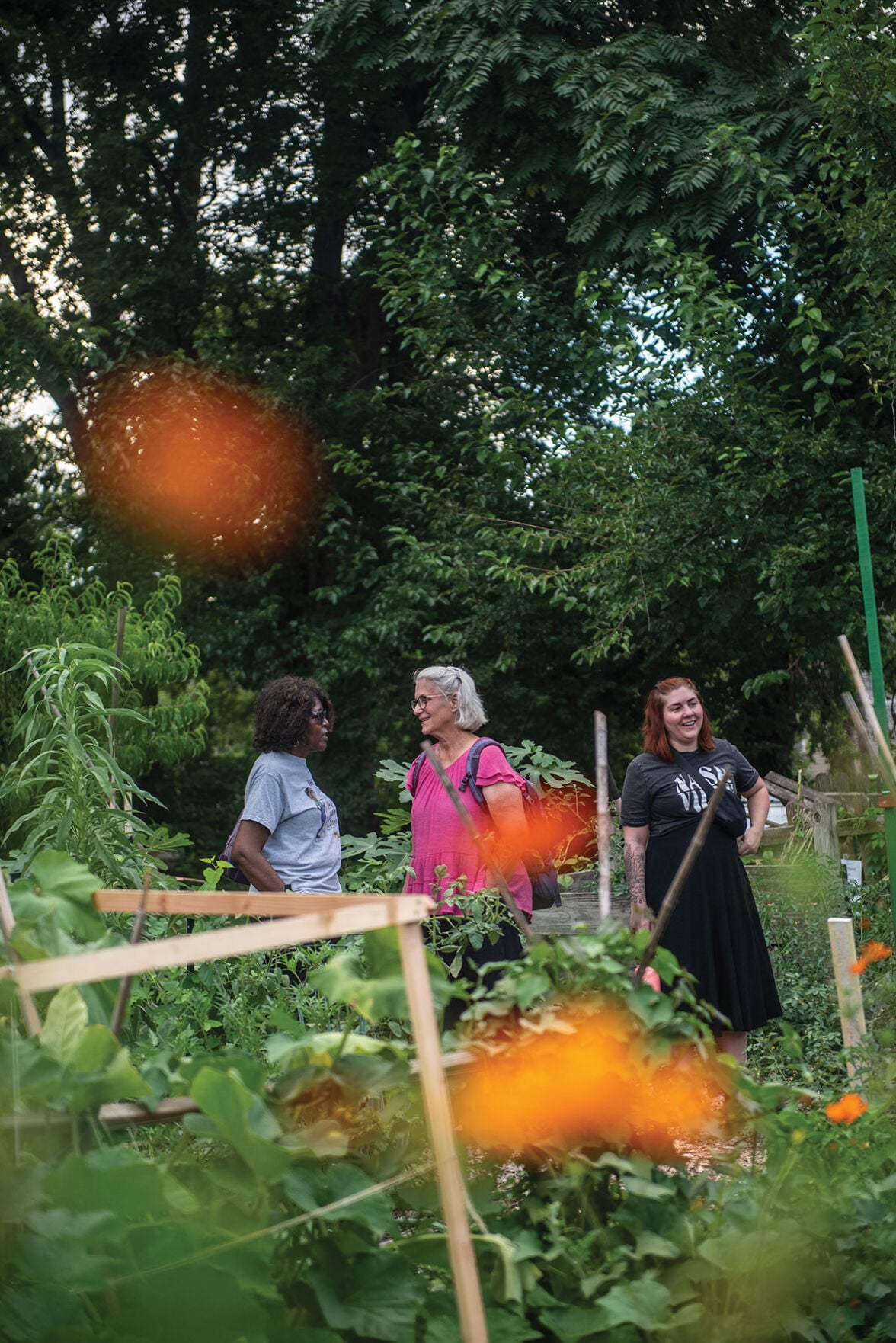
Fixed on a small parcel of land located in North Nashville’s Hope Garden neighborhood, a thriving community garden is overflowing with fresh okra, tomatoes, basil, strawberries, asparagus, jalapeños, squash and more.
But it wasn’t always this way. While some of the garden plots have been growing for more than 15 years, much of the land was abandoned, overgrown and riddled with stubborn Bermuda grass. That’s according to Hope Garden resident Chris Ashton, who lives a block away from the community garden.
Several years ago, Ashton set a goal: to revive the garden.

Founder Tallu Schuyler Quinn looks back on the nonprofit’s impact and forward to a future that she may not be part of
“It was kind of like, there’s an opportunity in the space to do something that I love, which is grow flowers, and in turn food, and reclaim this space,” Ashton says. “And then bring people together doing it in the process. I’m also interested in neighborhood advocacy, community walkability — basically building dense, walkable mixed-use neighborhoods. This garden is a great opportunity to hit a lot of those things because we can reclaim an ugly space into something nice, bring people together, and help people grow food.”
This garden is just one space that’s recently joined The Nashville Food Project’s Community Agriculture Network, which provides support to urban farms, gardens and orchards across Davidson County. Each garden is locally controlled by residents of the neighborhood, and 15-year-old nonprofit The Nashville Food Project provides a backbone for the agricultural spaces.
“The idea became, how could we magnify the influence and impact these little gardens have by networking the different gardens and providing different levels of support for them,” says Nashville Food Project CEO C.J. Sentell. “Ranging from land access straight away to water access and access to infrastructure and tools, sometimes educational resources.”
Other farms and gardens in the network include the McGruder Community Garden, the Growing Together Farm, Community Farm at Mill Ridge Park, Our Hands Garden Ministry, South End United Methodist Church and Donelson Community Gardens.
Sentell says urban agriculture has myriad benefits: helping relieve food insecurity as well as providing both a third space for people and land access for those who might live in apartments or other areas where they can’t grow their own food. He says a part of The Nashville Food Project’s mission to support community agriculture is bringing people together with their neighbors.
“We often say we’re using food as a tool to build community, and I think these gardens are perfect examples of that,” he says.

Growing Together program works with transplants from Myanmar, Bhutan and Nepal for a veggie box that incudes Southeast Asian staples
The Growing Together Farm at Christ Lutheran Church in South Nashville maintains a weekly farmers market from May to November. Sentell refers to this area as the “most productive acre in Nashville.”
“These farmers have been there for over a decade now, and they now intercrop and do a lot of different, really cool techniques out there and grow a lot of interesting vegetables,” he adds.
This spring, The Nashville Food Project helped expand the Community Farm at Mill Ridge Park in Antioch with the addition of an orchard, which can provide long-term support for communities.
“To create these little pocket orchards that will be sources of food for generations to come for 20, 40 years — these are the long-term food systems that we need and that have been slowly disappearing,” Sentell says, noting that expanding agricultural spaces could be a creative approach to urban planning as Nashville continues to grow.

At Hope Gardens
“I have a crazy idea,” he continues. “What if we landscape the East Bank with food like blueberries and nut trees and fruit trees? Wouldn’t that be an interesting way to conceive of civic space? … I think Nashville is really at this cool moment where we’re rebuilding so much from [Winter Storm Fern] — the tree canopy, all the way to this redevelopment stuff — and foodscaping is such an interesting way to create place.”
According to the most recent U.S. Department of Agriculture Census, released in 2022, Davidson County saw a 15 percent decrease in total number of farms from 2017. The Nashville Food Project’s Community Agriculture Network strives to prevent already existing gardens from disappearing.
“The agricultural traditions here and the agricultural spaces in this county actually go back some ways,” Sentell says. “I mean, Green Hills a generation ago — 30 years ago, there were cows in Green Hills. It’s an interesting thing to think about the future of a city, and the resilience. The bioregional resilience of Middle Tennessee really does rely on the agriculture right outside the city.”

As Nashville’s traditional farming community shrinks, a new urban agriculture network expands



Post a comment as anonymous
Report
Watch this discussion.
(0) comments
Welcome to the discussion.
Log In
Welcome to the discussion.
Keep it clean. Please avoid obscene, vulgar, lewd, racist or otherwise abusive language. Comments featuring hate speech or threatening or violent content will not be tolerated.
PLEASE TURN OFF YOUR CAPS LOCK.
Be truthful. Don't knowingly lie or mislead.
Be proactive. Use the “report” link on any comment that violates our comment policy.
Share with us. We'd love to hear your feedback.