

In our vastly imperfect world, musicians increasingly have to focus on live performance and income streams like merchandise sales to make a living. Even household names like Snoop Dogg have called out major players in streaming like Spotify for notoriously low royalty payments.
In November, Spotify announced updates to its royalty system that the company says are intended to curtail fraud, among other concerns. Coming changes include ceasing royalty payments on tracks with fewer than 1,000 yearly streams. Musicians may not be banking on that revenue — Spotify estimates the average payout for each track that it will no longer monetize would be about 3 cents per month — but the move comes across like the Sheriff of Nottingham taxing the poor to feed the rich and coming by later to rob them. Bandcamp, meanwhile, is sometimes thought of as the anti-Spotify, where fans can stream music as well as buy physical records, downloads and other merch. However, Bandcamp’s founders sold the company in 2022, its new owners sold it again in 2023, and extensive layoffs leave doubts about the platform’s future.

Justin Causey
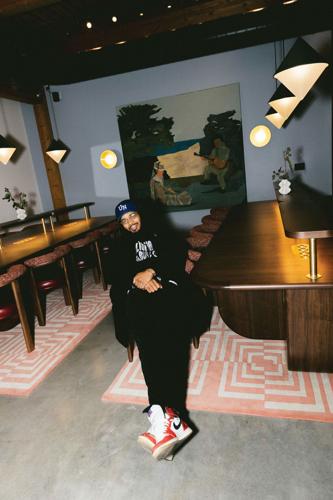
How can musicians afford to keep making music? Artist manager Justin Causey, whose team works with folks in Nashville hip-hop like Brian Brown, identifies three areas of focus.
“[Brown] may get a couple of checks here and there from Bandcamp or SoundCloud,” says Causey, “but when it really comes to locking in a fund and, like, us to have budgets, we use merchandise and show money, as well as songwriting and sync licenses.”
Brown recently launched an artist store on Amazon. For a cut of sales that Causey feels is reasonable, Amazon handles pretty much everything except sourcing the artwork and approving mockups. Establishing relationships with people in and around music publishing — like Sorted Noise, which has developed a music catalog specifically for film and TV — has yielded Brown track placements on The CW’s All American and MTV’s The Challenge U.K. While this generates revenue, it also gets his work heard far outside Nashville. Capitalizing on Brown’s fan base in other locations — which Causey knows he has, thanks to analytics — is vital going forward.
“He’s opened for some very notable names — there’s no question that he is able to do these shows,” Causey says. “It’s just getting the opportunity to either go on tour with a headlining artist, or for somebody to back us and just be like, ‘Hey, we’re gonna put you in these clubs, just get there.’”
Michael Eades
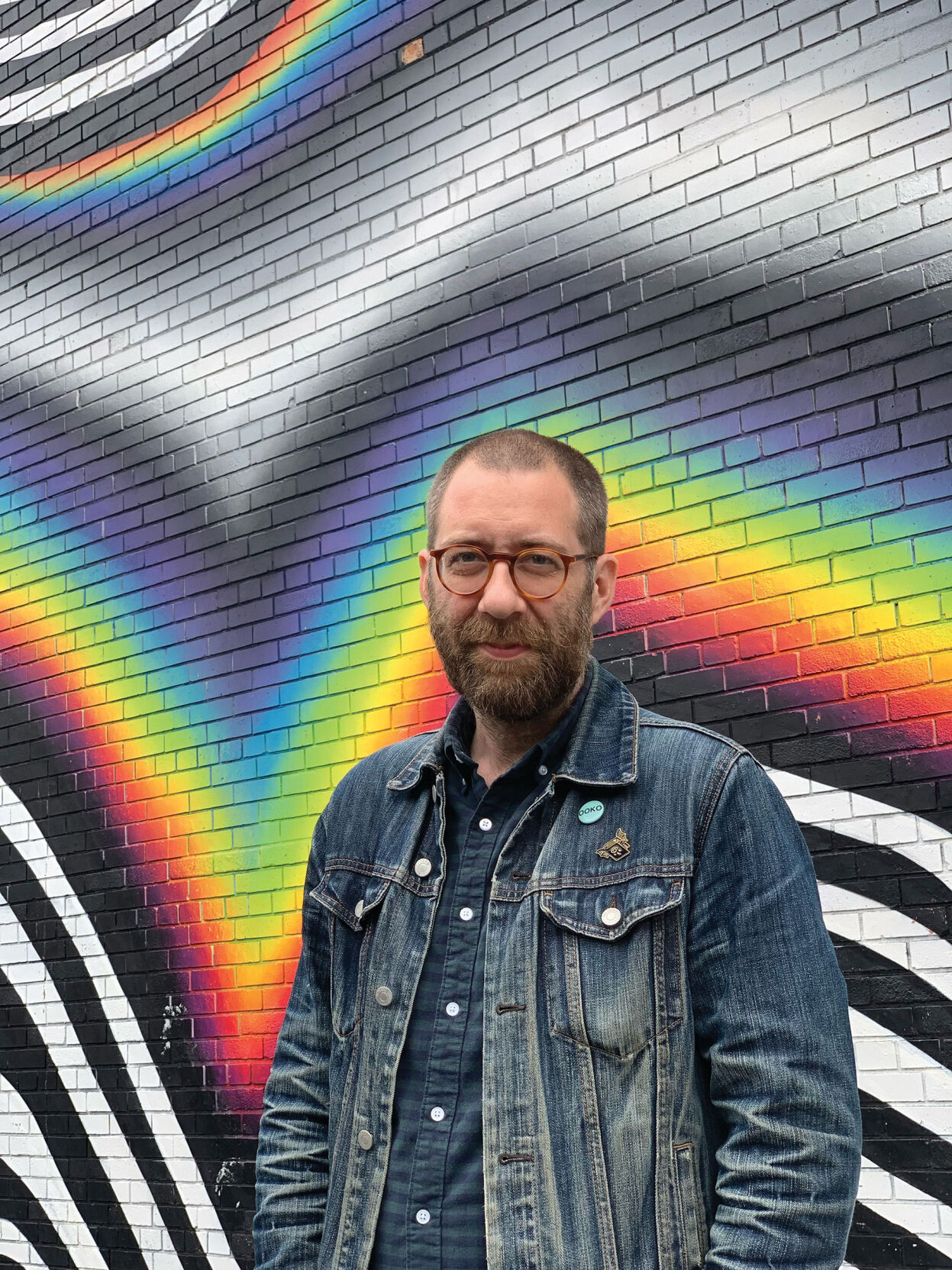
For nearly 15 years, Michael Eades’ YK Records has been a home for musical projects that aren’t necessarily lucrative, but that Nashville’s music communities would be much poorer without. While high-quality physical releases have always been key for the label and its roster, Eades points out the importance of streaming for music discovery.
“A lot of people are gonna hear a band on streaming, and just throw it in a playlist or give it a like, and maybe they’ll hear it more often,” Eades says. “And hopefully, that’ll push it over the threshold so that they’ll get some payouts. But a percentage of those listeners will also go look up that artist, and find them on Instagram and follow them or go look at their official website [and buy records, merch or tickets]. You kind of just hope that there’s interested parties that are willing to dig a little deeper from streaming. … That’s the audience that we’re looking for.”
Eades notes that, along with old-school tactics like getting fans on an email list, Bandcamp remains a significant part of YK’s approach. People know to come to Bandcamp to find music and the stuff that goes with it, so there is a built-in audience that a stand-alone web store can’t match. While those who purchase music downloads are in the minority, a band like rock veterans Tower Defense can see some income from printing up a cool T-shirt and bundling it with a download, as they did with their recent EP Never Mind the Menagerie. If Bandcamp does disappear, Eades is keeping an eye on up-and-coming alternatives including Nina, Sone and Ampwall.
“I don’t know that I have a magic answer,” says Eades. “Our sort of North Star for everything is, ‘Just enjoy the work.’ Enjoy writing songs, recording songs, making videos, things that are sort of the creative part of it. Like, really let yourself enjoy that, and let that roll into the promotional part of it, because [that] can be such a slog.”

From housing and transportation to development of the East Bank, here are 11 stories to keep an eye on this year





Post a comment as anonymous
Report
Watch this discussion.
(0) comments
Welcome to the discussion.
Log In
Welcome to the discussion.
Keep it clean. Please avoid obscene, vulgar, lewd, racist or otherwise abusive language. Comments featuring hate speech or threatening or violent content will not be tolerated.
PLEASE TURN OFF YOUR CAPS LOCK.
Be truthful. Don't knowingly lie or mislead.
Be proactive. Use the “report” link on any comment that violates our comment policy.
Share with us. We'd love to hear your feedback.