
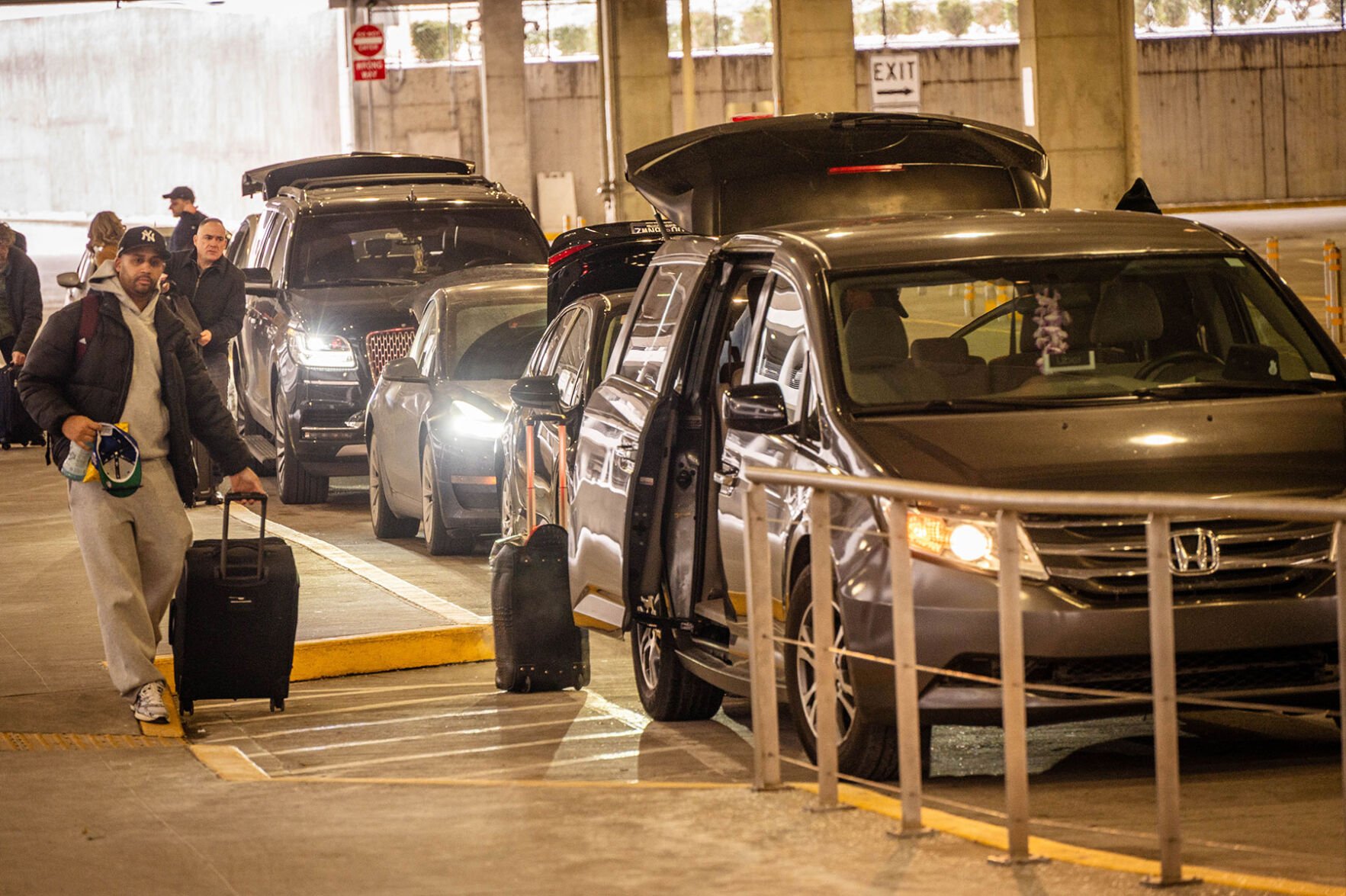
Last year, the Tennessee General Assembly passed a law criminalizing the impersonation of a rideshare or taxi driver. The law, which took effect July 1, makes it a class-B misdemeanor to falsely present oneself as an Uber, Lyft or taxi driver. If the impersonation occurs in connection with a felony, the charge may be elevated to a class-E felony.
State lawmakers framed the measure as a public safety effort to protect riders from impostors, citing reports of fraudulent drivers luring passengers, overcharging them or creating unsafe situations. Supporters of the legislation say passengers should be able to trust that their driver is legitimate and properly vetted, and that the law will protect licensed rideshare and taxi drivers by preventing bad actors from posing as platform affiliates and undercutting drivers who follow the rules.
“It’s a common-sense measure,” said Sen. Becky Massey (R-Knoxville), the bill’s Senate sponsor, last year. “Hopefully, it won’t come into play much, but if it saves one life, it’s worth it.” Massey referenced incidents in which people posing as rideshare drivers in Nashville and elsewhere committed serious crimes. Dating back several years, there have been various reports of impersonators allegedly robbing or assaulting passengers.
Massey says she worked closely with Uber to pass the law, and that Uber, Lyft and the Metro government support it. She declined an interview with the Scene but shared a list of talking points and a quote from an Uber spokesperson. Uber says the company doesn’t have access to the criminal files to determine the number of driver impersonations that occur, but they “are aware that these incidents take place across the country and can lead to severe incidents that compromise the safety of riders.”
State Rep. Elaine Davis (R-Knoxville), who was a co-sponsor of the bill in the House, says the legislation was narrowly focused on criminal impersonation rather than broader rideshare labor or pricing issues. The legislation originated with state Rep. Dan Howell (R-Cleveland), chairman of the House Transportation Committee, and was prompted by specific safety concerns including an alleged incident in Nashville in which a man was robbed by someone posing as a rideshare driver.
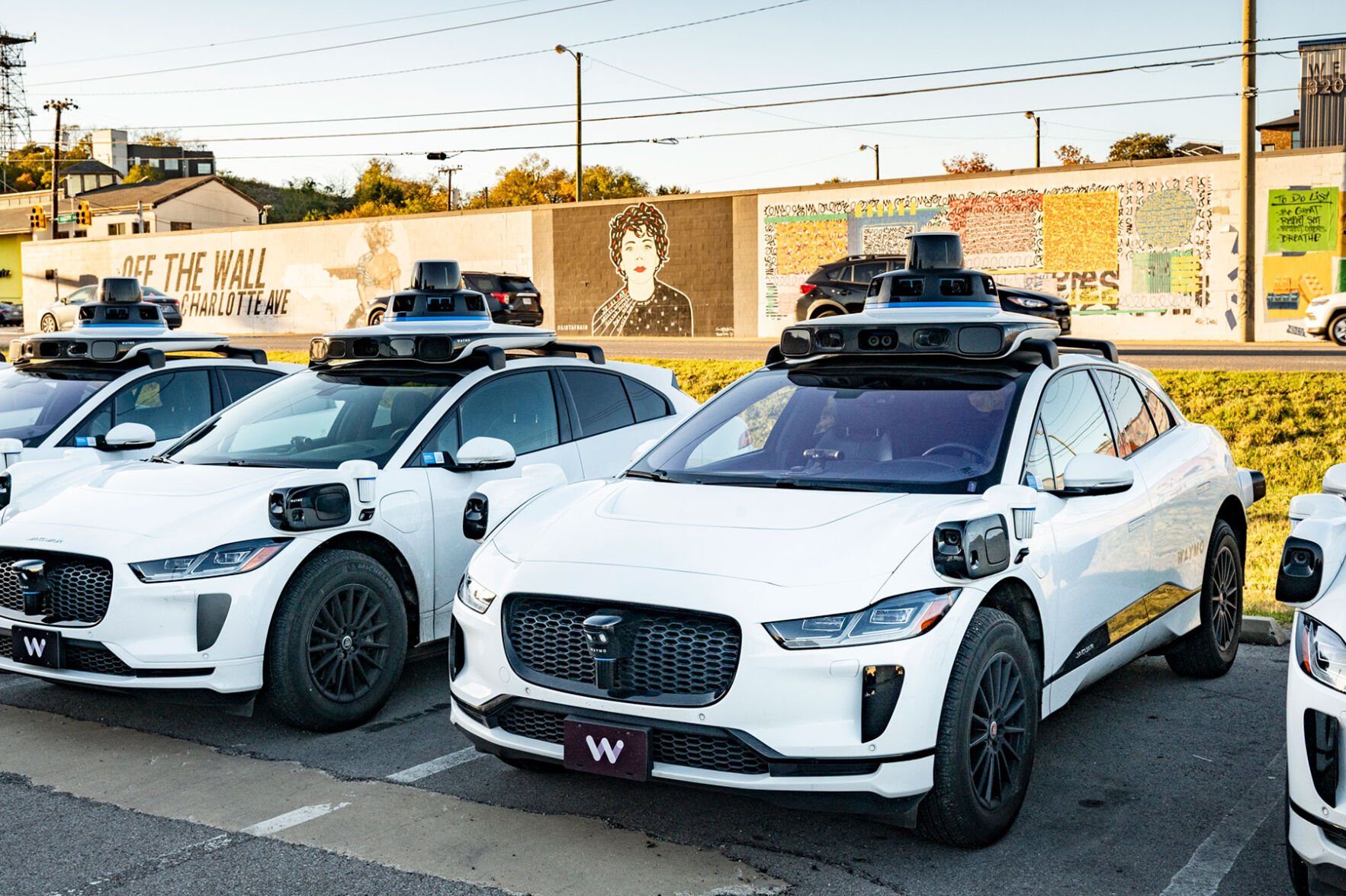
The autonomous vehicle company will partner with Lyft in Nashville next year for a full rollout of driverless robotaxis
But the new law doesn’t address a related issue: the growing market for off-app cash rides. These rides are not offered by “fake drivers” with criminal intent, but by existing drivers finding a workaround to Uber’s high fees. According to Sergio Avedian, a senior contributor to industry site The Rideshare Guy, the shift can be traced to a change in Uber’s pricing algorithm in 2022. “Riders are paying more, and drivers are pissed because they’re earning substantially less,” Avedian says. “So they cut a deal and take the trip off-app.”
Avedian argues that Uber’s fee structure — which he describes as “exorbitant” — has effectively incubated an informal cash market. Uber supplies customers to drivers, who, frustrated by shrinking pay, turn off the app and request cash or Venmo instead. Some go further, forming LLCs and attempting to operate private transportation businesses by securing the necessary registrations and licenses. Even those drivers may continue to rely on Uber to source passengers. Or they congregate in busy areas where people are seeking rides, such as Lower Broadway or the airport.
“It all starts with Uber’s greed,” Avedian says. “When both the rider and the driver feel like they’re getting ripped off, they’ll find a workaround.” That workaround carries risks. If Uber or Lyft detects off-app activity, drivers risk a permanent ban from the platforms. If a driver lacks proper insurance or licensing and is involved in an accident, the legal exposure can be severe, including lawsuits from injured passengers.
Rep. Davis says drivers who turn off the app and accept cash rides are unlikely to be covered by the new law. Questions about the legality of off-app or cash rides, she says, would ultimately fall to local prosecutors. She stresses that the legislation is specifically aimed at criminal impersonation, and says enforcement will be largely “reactive” and complaint-driven. Davis has not seen any data on how the law has been enforced or whether any arrests have been made since it took effect in the summer.
Metro Nashville Police Department spokesperson Kristin Mumford says rideshare driver impersonation is not “a commonly occurring offense.” She adds that MNPD has not seen any arrests in connection with this offense.
Monique McClain, a Nashville-based rideshare driver, is skeptical that the law will improve safety and is confused as to why it was even pursued. McClain is co-president of the Tennessee Drivers Union, a grassroots organization of roughly 400 rideshare drivers. She’s more concerned about out-of-state rideshare drivers, who she believes pose a greater safety risk and are diminishing local drivers’ earnings. A law addressing out-of-state rideshare drivers has not yet been passed. She believes the new criminal impersonation law is more about damage control for Uber, which is facing mounting pressure nationwide for a pattern of sexual violence during rides.
“This law was meant to appease tourists and show that they have a grip on safety,” McClain says. “They don’t want that tourism money to stop coming in.”



Post a comment as anonymous
Report
Watch this discussion.
(0) comments
Welcome to the discussion.
Log In
Welcome to the discussion.
Keep it clean. Please avoid obscene, vulgar, lewd, racist or otherwise abusive language. Comments featuring hate speech or threatening or violent content will not be tolerated.
PLEASE TURN OFF YOUR CAPS LOCK.
Be truthful. Don't knowingly lie or mislead.
Be proactive. Use the “report” link on any comment that violates our comment policy.
Share with us. We'd love to hear your feedback.