


Nashville was the first city in the country to open a Behavioral Care Center, an alternative to jail that exists outside of the criminal justice system. Dozens of cities have since followed.
As the Nashville Banner reported in September, the Behavioral Care Center is also the only of Metro’s detention centers that still has capacity — the rest are overcrowded.
The Behavioral Care Center opened in fall 2020 with the intention of serving people with a mental health condition or conditions and a misdemeanor charge. Today roughly half of the people it houses have misdemeanor charges and the other half have felony charges, according to Davidson County Sheriff Daron Hall. Each person arrested in Nashville undergoes an evaluation by a mental health clinician, who meets with staff at the district attorney’s office, public defender’s office and sheriff’s office to determine whether the person is eligible for treatment at the center in lieu of jail time. The BCC hosts an average of 445 people per year in 60 beds.
Part of the open capacity at the facility is due to a drop in arrests overall. Before the BCC’s inception, the number of arrests per day in Davidson County was 100, whereas today it’s closer to 70 — part of a national downward trend of arrests post-COVID, Hall says. He says he’s faced pressure from community organizations and criminal-justice leaders alike to open the center to more populations, including the backlog of people awaiting competency evaluations under Jillian’s Law. (That legislation passed following the shooting death of a Belmont student by someone who was deemed incompetent, and requires widespread competency evaluations.)
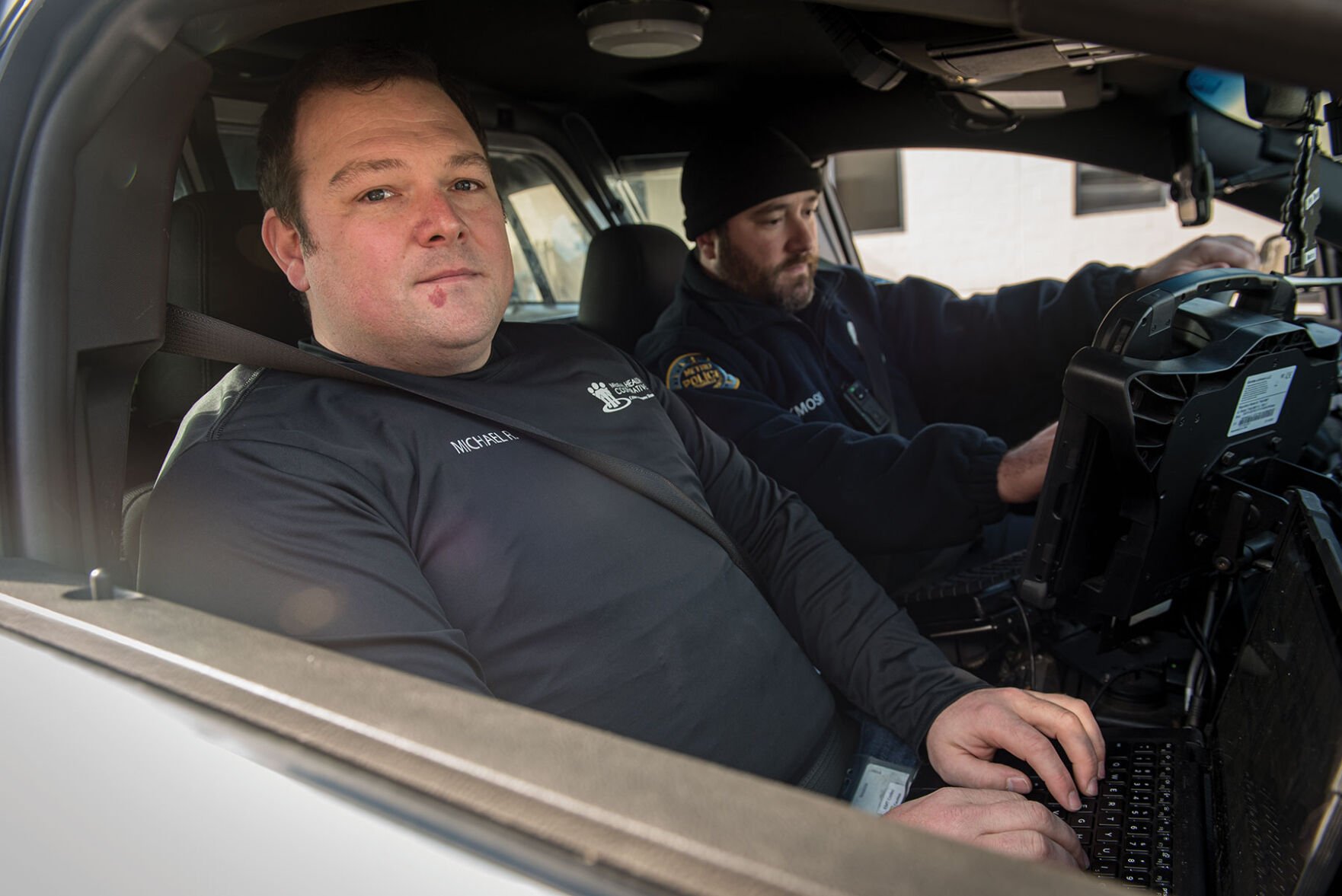
REACH goes 24/7 as it finishes third year; Partners in Care aims to add weekend coverage
“What we’ve tried hard to do is to maintain what the program is designed to do and not let it become a catchall for all sorts of different things that the criminal justice system is trying to resolve,” Hall says.
The space is simply not designed for a potentially dangerous or volatile mental health case, the sheriff says. Plus, if a person is not yet deemed competent, they cannot make the choice to go to the BCC.
The BCC is not a sentence, but a choice. One limitation of the process is that people do not know how long their stay will be, but if they go through the court system, there will be a set jail sentence length. The average length of stay since the center opened in 2020 is 19 days, and the average length of stay in 2025 was 21 days. Once a person has finished their BCC assignment, their criminal record carries forward as though the arrest never occurred.
“The individual is going over into the mental health center, and the criminal justice system is no longer involved with your case, so the mental health team decides when you get to go home, when you are stabilized,” Hall says. “We wanted it that way, because if we honestly believe it’s not a justice-involved case, why are we letting justice-involved people — judges, police, me — decide when you go home?”
When the BCC was introduced, Nashville did not yet have the alternative policing strategies it does now, with programs Partners in Care and REACH. Hall is encouraged by those additions, but says the city needs more mental health beds — places where people can stay long-term, of which there are currently very few.
“The purpose all along was for us to be a stabilization unit,” Hall says. “We were not going to be a long-term treatment center, and one of the things that I think we have got to decide in our community is, where is that next bed?”



Post a comment as anonymous
Report
Watch this discussion.
(0) comments
Welcome to the discussion.
Log In
Welcome to the discussion.
Keep it clean. Please avoid obscene, vulgar, lewd, racist or otherwise abusive language. Comments featuring hate speech or threatening or violent content will not be tolerated.
PLEASE TURN OFF YOUR CAPS LOCK.
Be truthful. Don't knowingly lie or mislead.
Be proactive. Use the “report” link on any comment that violates our comment policy.
Share with us. We'd love to hear your feedback.