

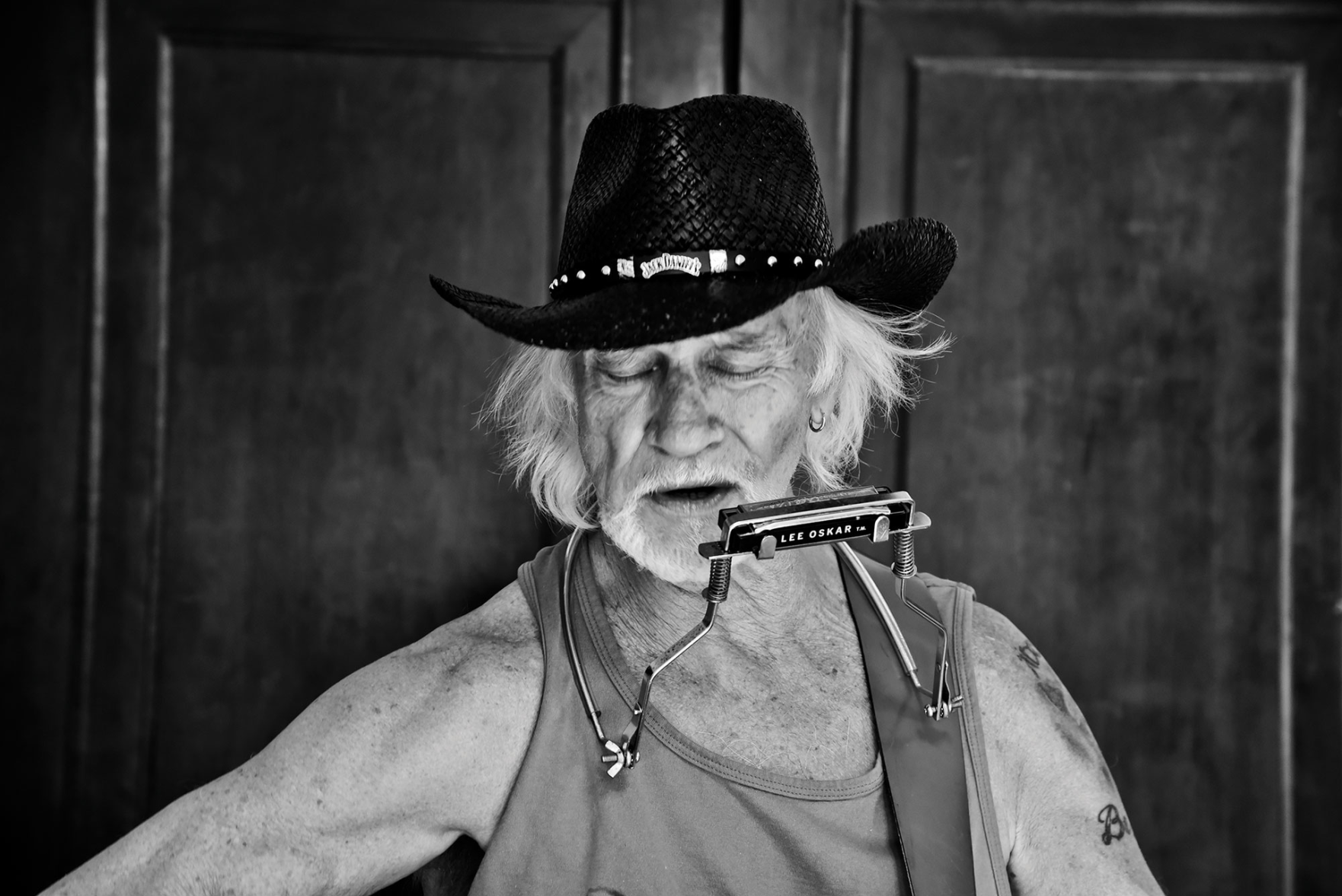
In almost every way, Chris Gantry’s new full-length Nashlantis feels like an immersion in the arty folk-pop of the late 1960s. Though Nashlantis does recall Gantry’s 1968 debut album Introspection in some ways, there’s a crucial difference. Gantry was 25 when he cut Introspection in early 1968 at Nashville’s Fred Foster Sound Studio. Fifty years later, on the third studio album of new material he’s released since 2015, Gantry is still fighting against the forces of philistinism and making his case for art as a universal salve for humankind’s ills. But he’s 76, and he looks back on his life as a songwriter in the light of his struggles and his losses. Gantry remains a prickly, vexed romantic on Nashlantis, which may be his best record since Introspection.
Gantry cut the basic tracks for Nashlantis — which has been released by Chicago’s hip record label Drag City — over four days in 2018 with engineer Rob Galbraith at Galbraith’s Music Row studio. Performed without a click track, the guitar-and-vocal takes were sweetened by producer Jerry David DeCicca in Texas. DeCicca — who has also produced similar records by singer-songwriters Larry Jon Wilson and Will Beeley — added percussion, cello, guitar and vocals to what Gantry had laid down in Nashville.
The songs DeCicca selected for Nashlantis aren’t very different from what the prolific Gantry included on his 2016 album Nashville Rhapsody, which was cut with country producer Paul Worley. But DeCicca’s spare production allows the performances to breathe even when the songs make you feel like you’re underwater.
“Nashlantis is the cry and the moan of what [Nashville] once was,” Gantry tells the Scene from his home in Nashville. “When there was freedom, songwriters had power. That purity back then got upended, and it sank to the bottom of the sea of apathy, just like Atlantis did at one particular point in time.”
On Nashlantis, Gantry writes about the vanished Nashville of half a century ago, when he composed one of the most wistful of late-’60s songs: “Dreams of the Everyday Housewife,” a 1968 hit for Glen Campbell. He explored similar subject matter on Nashville Rhapsody and 2015’s Gantry Rides Again. Drag City’s 2017 release of a group of previously unissued 1973 and 1974 recordings, At the House of Cash, suggested Gantry had always been an adventurous folk-jazz-pop master despite the popular perception of him as an outlaw country musician.
DeCicca has long been a fan of Gantry’s early albums. After seeing Gantry play an impressive set in 2008 at Nashville’s Bluebird Cafe, DeCicca became determined to record with him. Making Nashlantis meant finding the songs that communicated Gantry’s complex musical personality.
“He’s that combination of the Brill Building work ethic and a guy sitting alone in a room with a guitar,” DeCicca says about Gantry. “I chose those songs [for Nashlantis] out of a batch of, probably, over 40. I asked him to write a couple more songs, because I didn’t feel like all the parts of Chris were represented in what he gave me to work with.”
Nashlantis gives Gantry room to shine on guitar, an instrument he plays with the finesse and harmonic reach of someone who grew up listening to jazz and Jimmy Webb tunes. The new album moves at an unhurried pace, and the effect is often akin to that of a watercolor artist who has painted the faded remains of a once-great metropolis.
Among its other virtues, Nashlantis stands as a superb album about aging. Gantry’s singing and playing sound undiminished, but “Wasted” finds the great songwriter walking alone in a city he no longer recognizes. He looks into a storefront mirror and wonders how his life has slipped away so quickly. “Either I’m an old man / Or a living country tune,” he sings.
Elsewhere, “Box of Crayons” is a Shel Silverstein-esque look at racism featuring ex-Smog singer Bill Callahan on backing vocals, while “Where’s the Woman?” uses ominous John Lennon-style chords to frame its narrative. (At press time, Gantry didn’t have a Nashville show on his calendar, but he recently finished a well-received run of dates supporting Callahan.) Gantry’s lyrics are goofy and self-revealing throughout Nashlantis, and it’s sometimes difficult to separate the prosaic from the poetic — which may be his point.
Gantry is still idealistic after all these years, as he says. “The songs were written in pure honesty without thinking about having a hit, or having any kind of fame or glory. If anyone likes my stuff, they gotta come to me. I’m not going out crawling around looking for deals.”



Post a comment as anonymous
Report
Watch this discussion.
(0) comments
Welcome to the discussion.
Log In
Welcome to the discussion.
Keep it clean. Please avoid obscene, vulgar, lewd, racist or otherwise abusive language. Comments featuring hate speech or threatening or violent content will not be tolerated.
PLEASE TURN OFF YOUR CAPS LOCK.
Be truthful. Don't knowingly lie or mislead.
Be proactive. Use the “report” link on any comment that violates our comment policy.
Share with us. We'd love to hear your feedback.