

Nashville’s music scenes took enormous hits in 2020 and 2021 from the shutdowns forced by the pandemic. It’s no surprise that Nashville fans and players across the spectrum of jazz and blues reacted to a return to familiar levels of musical activity like a conquered city greets a liberating army. Among many reasons to celebrate: the Nashville Jazz Workshop settling into its new headquarters on Buchanan Street, Rudy’s Jazz Room expanding its calendar, and the return of an in-person Jefferson Street Jazz and Blues Festival. Experimental and experiential arts nonprofit FMRL also resumed its programming at various venues, frequently featuring cutting-edge jazz musicians.
Nashvillians garnered national notice: Composer and saxophonist Jeff Coffin earned a Grammy nomination for Between Dreaming and Joy, as did the TSU Aristocrat of Bands for its landmark release The Urban Hymnal. Top talents in jazz and blues picked Nashville for celebrating important milestones or making new history. Such greats as Buddy Guy, Robben Ford, George Benson, Christone “Kingfish” Ingram and Dionne Warwick all performed or recorded here this year, while Memphis blues-rock champion Eric Gales celebrated the release of his excellent Crown at City Winery, and Kenny Wayne Shepherd debuted the documentary accompanying the 25th anniversary edition of his modern classic Trouble Is… at the Belcourt. No city boasts two museums dedicated to honoring the massive cultural influence of Black music that are quite like Nashville’s Jefferson Street Sound Museum and the National Museum of African American Music.
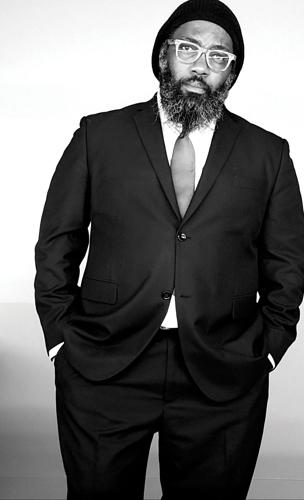
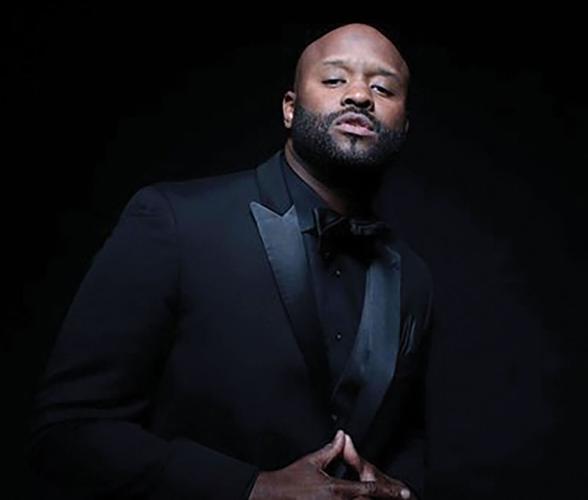
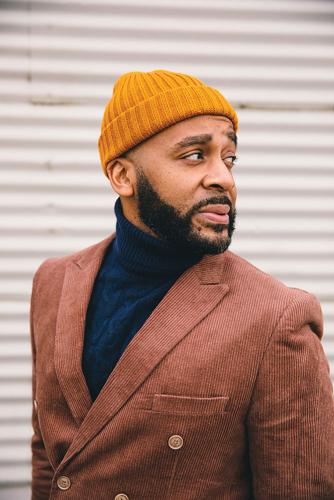
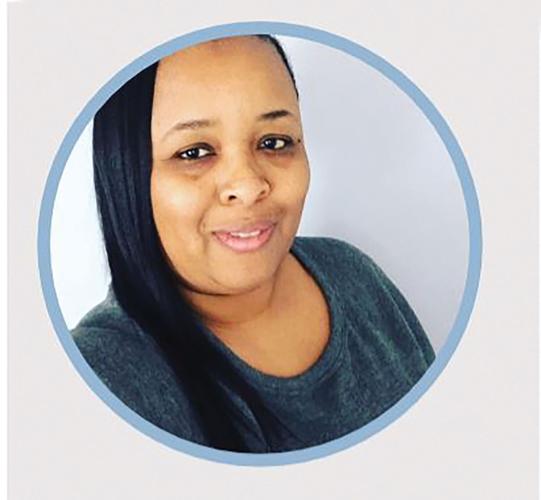
We’ve reached out to some key figures across Nashville’s contemporary Black music scenes, and they’ve kindly offered their perspectives on what 2022 did and did not provide. Our august lineup includes music-industry polymath and former local Recording Academy chapter head Shannon Sanders; ace spoken-word performer Rashad Rayford, aka Rashad tha Poet; superb DJ Erica Hayes Schultz, who highlights an array of Black music on her WXNA show Soul of the City; and Jason Eskridge, masterful performer and host of the long-running soul and R&B performance series Sunday Night Soul.

Jason Eskridge
What do you consider the most critical or pressing issues facing contemporary Black musicians in Nashville?
Rashad tha Poet: Infrastructure. We don’t have access to many of the necessary resources.
Erica Hayes Schultz: Lack of venues to play that fully support Black musicians. Some venues want to “add extra security,” especially for hip-hop events, or are just not as welcoming to Black artists or promoters UNLESS they have a tie to white artists. Also, many venues are run by older people who think that the Nashville audience wouldn’t come to a Black event, based on the past. Those owners are not really on the pulse of what’s going on in the city and in the media where these artists are growing.
Jason Eskridge: I think at this point the music industry as a whole is still figuring out how to consistently function post-pandemic. Across the board, artists, promoters and venues are struggling to adjust to lower turnout numbers, etc. I think those struggles are even more prevalent in the Black music scene in Nashville, which in my experience has always had difficulty generating successful numbers.
Shannon Sanders: One of the most critical or pressing issues facing contemporary Black musicians in Nashville is literally a contemporary problem. The modern music industry is very algorithm-driven. Because Nashville is not considered to be a major urban market, our community of Black creators struggle to gain the numbers the industry is paying attention to as an indicator of traction and audience size/interaction. Atlanta, for instance, is a city of 4 to 5 million people and predominantly Black. Although Nashville is arguably the most talented city per capita on earth, it is much easier to build a data portfolio in larger urban markets.

Shannon Sanders
How would you assess or evaluate the current situation as regards to opportunities for contemporary Black musicians?
RTP: It’s better than it was 10 years ago, but it still feels like an uphill battle. This city is ripe with ready-to-launch talent. Why folks aren’t going higher is beyond me.
EHS: I believe opportunities are growing. For example, I am aware of more events with Black musicians, which I promote on Soul of the City and the WXNA Concert Calendar, than there were when I first started the show in 2016. However, as more events are growing and more artists are being accepted in venues, I’m hearing artists/promoters/managers speak on the need for Black-run venues as a launching pad.
JE: I think there are plenty of opportunities for Black musicians as sidemen and studio musicians. However, Black artists are still fighting an uphill battle as it pertains to being included, supported and celebrated in the Nashville music scene as a whole. This void is one of the primary reasons I started Sunday Night Soul, to create a platform and a point of meeting for Nashville’s soul artists and its soul music fans.
SS: Honestly, there is more opportunity than ever. There are many more places to record and perform than anytime in the city’s history. And social media allows an artist to circumvent the proverbial industry gatekeepers of the past.
Do you feel there is consistent or adequate coverage of contemporary Black music and musicians?
RTP: I think the coverage has gotten exponentially better. I think people who are making moves are definitely getting more press.
EHS: In the Nashville Scene and smaller radio stations in Nashville, yes. But there is so much music out there that mainstream media doesn’t know about. On streaming sites, social media and YouTube, there is a growing cadre of artists. They’re all really good, but there’s so many that you almost can’t keep up. But to be honest, some of those artists need to grow their team and get their talent out there. Some artists are content with the YouTube streams, and they have received success with that. But they need to combine online success with mainstream success, and they need the right group of people to do that.
JE: From my point of view, there can always be more coverage. But I also understand that coverage is primarily dictated by the consumer and the subject matter that they want to hear or read about. It’s a supply-and-demand relationship. It is my hope that as Nashville becomes more and more diverse, the demand created by that diversity will result in a supply of more thorough [coverage].
SS: No. But the reason an artist would need “coverage” is to gain attention from fans and would-be fans. Again, the internet creates many more opportunities to garner attention. There are several podcasts and blogs that are as impactful, if not more so, than many other traditional media outlets.

Rashad tha Poet
Do you feel there is interaction among the various contemporary Black music scenes, whether they are R&B/soul, hip-hop or spoken word?
RTP: I think the scenes are blending more. I’d love to see it on a more consistent basis, but that goes back to lack of infrastructure and available places for folks to receive high-quality entertainment.
EHS: Yes. But it’s connecting the right groups of people together. There are small events throughout the city that combine all kinds of scenes, but they are only promoted within the neighborhoods. Nashville has grown with so many Black people moving here that events need to expand their promotion. The audience is there. They just have to know about the event.
JE: I feel like there is a good amount of collaboration, camaraderie and support between the Black musicians in Nashville, both within the same genre and across genres.
SS: Our creative ecosystem is more collaborative than I’ve ever seen it. Genre lines have become more and more blurred. Everyone is doing whatever they can to be different, to stand out. Collaboration is the greatest way to break the cycle of creating the same thing over and over again.
Who are some talented contemporary Black musicians you feel deserve notice and attention?
EHS: Jamiah Hudson, Kyshona Armstong, Lauren McClinton, Saaneah, VibeOut., The BlackSon, Reaux Marquez.
JE: Kenny Dewitt, Sarina-Joi Crowe, Rashad tha Poet, Jovan Quallo, Roz Malone, Jannelle Means, Larysa Jaye. These are just a few, but there are hundreds of Black artists, instrumentalists and vocalists I could name that make the Black music scene in Nashville the amazingly rich and fertile movement that it is.

Erica Hayes Schultz
What would improve circumstances in Nashville for contemporary Black musicians?
RTP: More access to TV, and less roadblocks from Nashville (the brand). There seems to be an imaginary line that Black artists aren’t “allowed” to cross. There is too much talent in these scenes to not have more nationally known artists from here.
EHS: On a big scale, well-run, Black-owned venues. I’m from Atlanta, and Black-owned venues helped that scene grow tremendously, and the same can happen here. On a smaller scale, connecting promoters and artists with all media outlets to promote their events. That means radio stations with local Black shows or that promote local Black music need to heavily reach into those neighborhoods. Print media needs to do the same. Not just in North Nashville, but Antioch, West Nashville, Madison, etc. Go to where people of color live and shop. Talk with folks at festivals and events. Get to know people. Connecting the traditional media with the social media is a win-win.
JE: As always, I would like to see more intentionality when it comes to displaying and celebrating the diversity that exists within the Nashville music scene, specifically the Black music scene. I’d like to see more Blacks in the songwriting rooms. More Blacks on selection committees for local festivals and events. More Blacks in positions of power as they relate to the decision-making that shapes the landscape of the Nashville music scene. I applaud men like Butch Spyridon and the rest of the folks at the Nashville Convention & Visitors Corp for the consistent work they’ve done to make sure the “Music” in Music City continues to grow in scope and diversity.
SS: I’d love to see our contemporary Black creators continue to push the envelope. I’d love for them to grab the bull by the horns, become the architects of their destinies!

Talking with rising roots star Sierra Ferrell, counting down the year’s top Nashville albums and more



Post a comment as anonymous
Report
Watch this discussion.
(0) comments
Welcome to the discussion.
Log In
Welcome to the discussion.
Keep it clean. Please avoid obscene, vulgar, lewd, racist or otherwise abusive language. Comments featuring hate speech or threatening or violent content will not be tolerated.
PLEASE TURN OFF YOUR CAPS LOCK.
Be truthful. Don't knowingly lie or mislead.
Be proactive. Use the “report” link on any comment that violates our comment policy.
Share with us. We'd love to hear your feedback.