
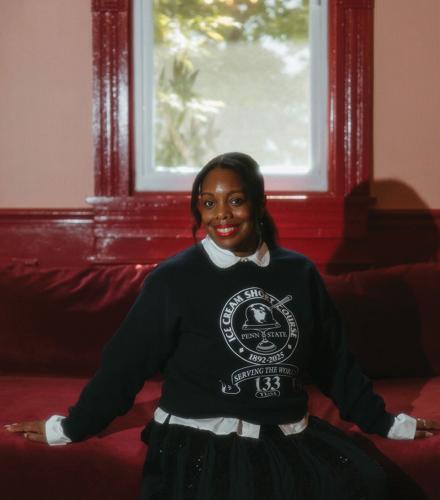


Lokelani Alabanza
Long before she had a book contract or even an idea for what kind of book she might write someday, Lokelani Alabanza collected archival photos, cookbooks and ephemera by and about Black food writers. It wasn’t until Alabanza came to Nashville to take a job as the pastry chef at the Hutton Hotel that she started exploring tomes like The Jemima Code by Toni Tipton-Martin, which provides a look at more than 150 years of African American-authored cookbooks. Culinary school skipped over their contributions, and Alabanza says exploring them was an eye-opener.
Then, in 2018, Alabanza learned about Sarah Estell, a free Black Tennessean who made and sold ice cream from her saloon in downtown Nashville in the mid-1800s. At the time, Alabanza was working at Hattie Jane’s Creamery, and the Metropolitan Historical Commission asked her to make an ice cream flavor honoring Estell.
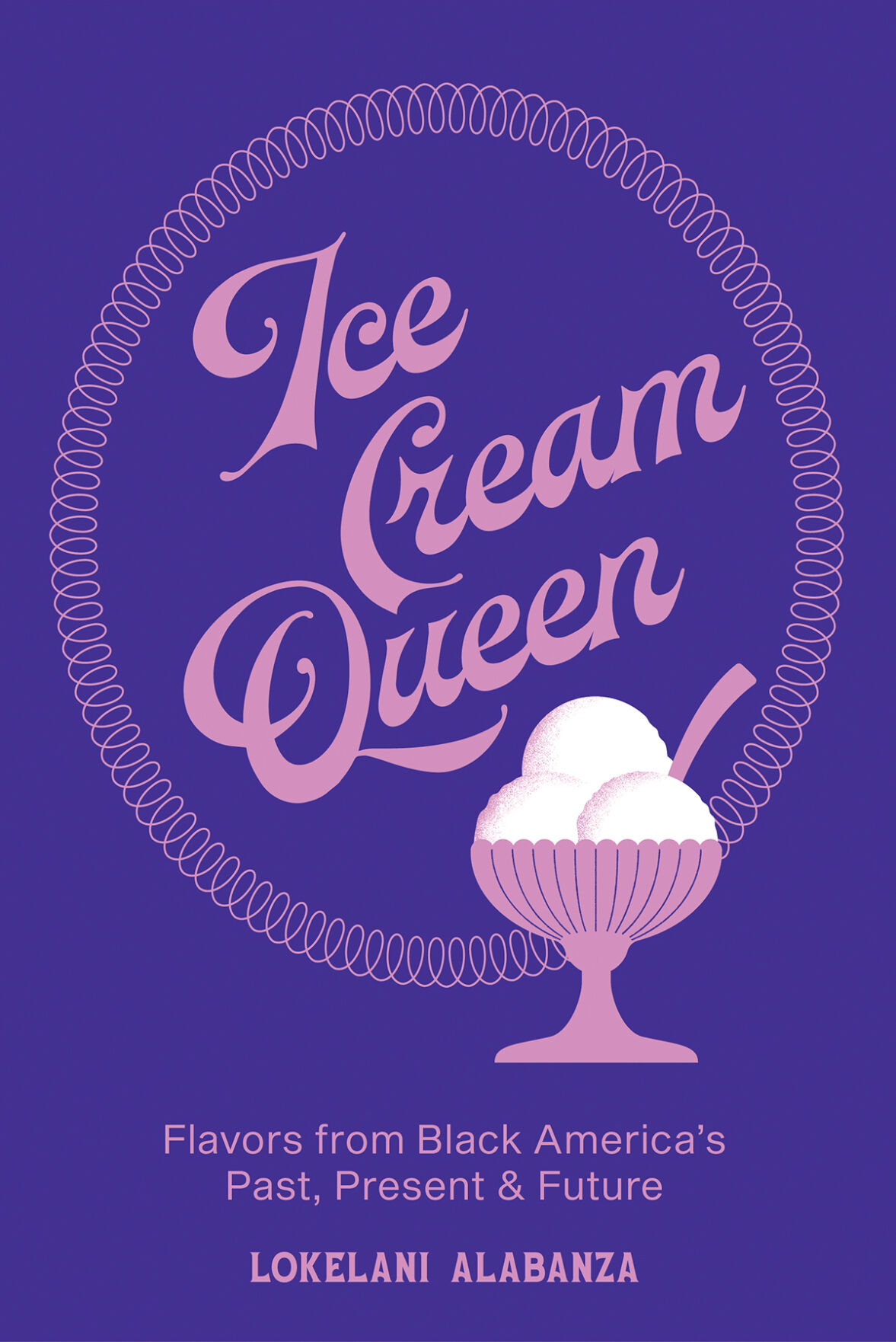
“All this time I was living here and making ice cream, completely unaware that Estell, once called Nashville’s ‘Ice Cream Queen,’ was doing the same 175 years before me,” Alabanza writes in her brand-new book Ice Cream Queen: Flavors From Black America’s Past, Present & Future.
The book features 100 ice cream flavors, with recipes (Alabanza has created more than 300 during her career), along with stories and history about the people and tastes behind the flavors. It includes photographs of brightly colored, actual ice cream, all made by Alabanza, who churned 50 flavors in eight days. Ice Cream Queen is the culmination of Alabanza’s years of research about Estell, her lifelong love of cooking and stories, and her ice-cream-making expertise. During the pandemic, Alabanza left Hattie Jane’s to start her business, Saturated Ice Cream — Nashville’s maker of CBD-enhanced, plant-based ice cream.
“Why was I collecting all these photos?” Alabanza says. “I don’t know, someone was just telling me to do it.”
“It was a big thing, just changing people’s perspective of ice cream,” she says. “A lot of it was that I want you to know that Black America has been touching [ice cream] for a long time, and nobody knows that.”
In her book, Alabanza explores the significance of ice cream in Black America, its historical roots and its cultural importance. She breaks down how sugar got to the U.S. and the intense, back-breaking work enslaved people did to grow and harvest sugar cane on plantations.
“We had to tell that story of why sugar got here, and people skip over that,” she says. “I want you to know that this was terrible, but it gave us something that we now love. Like I say in the acknowledgments, if you don’t want to read your history, then I’m going to feed it to you.”

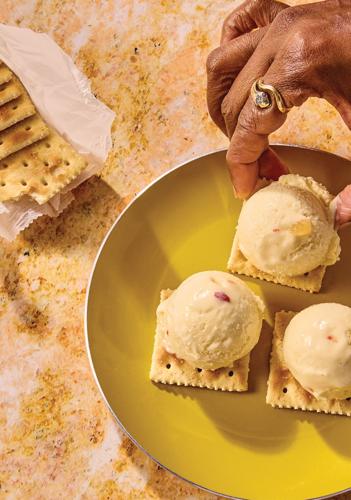
Cream Cheese and Pepper Jelly Ice cream
But you certainly won’t feel force-fed as you read Alabanza’s prose. The history, including the hard stuff, is woven expertly with personal stories — both her own and those of significant figures in Black ice cream. She traces the legend of the history of butter pecan to a response to the Jim Crow Era, and Black people being denied vanilla ice cream. Mint chocolate chip was invented in 1973 as part of a contest for a dessert for Princess Anne’s wedding. Alabanza’s recipe suggests using spirulina to get the green color without artificial food coloring. The strawberry pretzel salad — the first recipe she knew she would include — came from a dish a family friend made when Alabanza’s younger sister was born.
“I love an ice cream memory,” Alabanza says. When she has events, including a book tour to promote Ice Cream Queen, she starts by asking the audience to share their ice cream memories.
Alabanza grew up on the West Coast — but her grandmother was from Cleveland, Tenn., so she had a connection to Nashville and Southern cooking and preservation before she moved to town. Nashville, she says, was essential to the book’s creation.

The free woman of color ran an ice cream saloon downtown between 1830 and 1860
“Otherwise, how would I have known that Sarah Estell existed? Nashville played a major role in this book, and Nashville created the space where I was haunted by the ghost of this woman. I was definitely called here.”
In addition to delving into Estell and the history of Black America and ice cream, the book offers Alabanza’s expertise on making the best ice cream, featuring suggestions on the right equipment to buy and recipes with modifications for making vegan versions. Black Americans have higher rates of vegan diets than the rest of the population, and Saturated Ice Cream makes plant-based ice cream. There’s even a vegan option for Nashville hot chicken ice cream.
These days at Saturated, the ice cream is manufactured, so Alabanza does not make ice cream all that often anymore.
“I just made some last week, and then it was fun to make it today with a group of teenagers who hadn’t seen an ice cream machine before. I was laughing because I said, ‘Oh, I gotta look at the recipe in the book, because I don’t make dairy anymore.’ It’s been great.”
“There was a time when I was just churning it out, and it is still a part of who I am,” she says. “It’ll always be there, but now it’s becoming this book form, so it’s a different journey I’m going on now.”



Post a comment as anonymous
Report
Watch this discussion.
(0) comments
Welcome to the discussion.
Log In
Welcome to the discussion.
Keep it clean. Please avoid obscene, vulgar, lewd, racist or otherwise abusive language. Comments featuring hate speech or threatening or violent content will not be tolerated.
PLEASE TURN OFF YOUR CAPS LOCK.
Be truthful. Don't knowingly lie or mislead.
Be proactive. Use the “report” link on any comment that violates our comment policy.
Share with us. We'd love to hear your feedback.