


Lauren Nossett
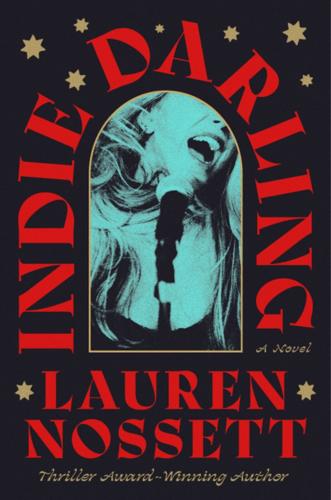
Indie Darling, the new thriller by Nashville author Lauren Nossett, plumbs a dark side of Music City through a tale about the mysterious disappearance of popular singer-songwriter Sarah Faith-Owens. Protagonist Kelly Winter, the private detective investigating the case, is a keen observer with a commitment to helping women in danger. She also has colorful tastes, including a little red sports car and a penchant for Dolly Parton. As Kelly searches for the truth about the night Sarah vanished, she uncovers more questions, sinister leads, and a parallel mystery about her own past.
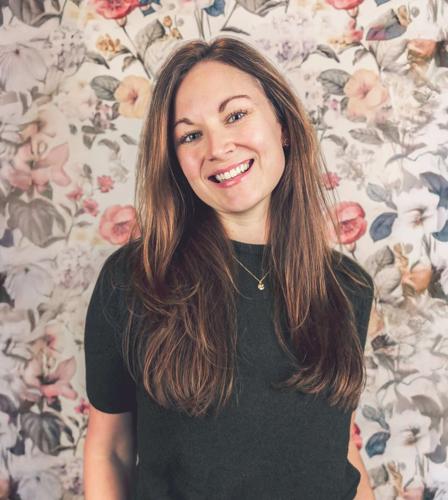
A former professor with a Ph.D. in German literature, Nossett is the author of two previous thrillers, The Professor (2023) and The Resemblance (2022). She answered questions via email.
Dolly Parton appears throughout Indie Darling, almost like a patron saint hovering over the novel. What drew you to her as a touchstone for Kelly Williams?
I love the idea of Dolly as a patron saint for this novel! She certainly became a guiding light for crafting Kelly’s worldview, her Southern charm and wit, and her determination to help women.
I found Dolly during the pandemic, listening to Jad Abumrad’s podcast Dolly Parton’s America. Abumrad began with a simple but intriguing question: Why, in an intensely divided historical moment, can all people agree on their love for Dolly Parton? Through interviews with Dolly, trips to Dollywood, and a deep dive into the Dollyverse, he discovered an equally simple but intriguing answer: because she exudes love. I listened to her songs on repeat while writing scenes in Kelly’s point of view to infuse Dolly’s positivity into her voice and make sure all her actions came from a place of love.

Country music may be thoroughly woven into Nashville’s public persona, but being here doesn’t mean you live and breathe country. Nashville nat…
Before publishing thrillers, you were a professor. What first pulled you toward crime fiction?
Crime novels at their core examine a breakdown in the social order, which allows for an investigation of larger human themes as victim, villain and bystanders alike deal with the causes and the aftermath of the crime. In many ways, I was still investigating topics we discussed in my own literature classes: questions of identity, belonging, power structures, and institutional failure. It helped that I set both The Resemblance and its follow-up, The Professor, on a university campus.
What is your own history with Nashville, and how did you want the city to function as more than just a backdrop in Indie Darling?
In many ways I think of this novel as a love letter to Nashville. Sarah hides clues in her lyrics and throughout the city, taking readers from the Parthenon to Music Row, and ultimately to a performance at a fictional venue off the Cumberland River at the end of Broadway.
My relationship with the city is a bit more intimate, forged at coffeeshops with kind baristas and backyard hangs with friends, many of whom are also musicians. I like to think that my late husband, Gray Griggs, brought me to Nashville. He passed away suddenly in 2021. He was a musician, and because of his music, I came to Nashville for a meeting. I rented a long-term Airbnb, was invited to a show, and extended my stay. A few months later, I did the same thing. The city welcomed me with open arms. The people here are the kindest I’ve ever met, and in the early days after my husband’s death, that friendliness was a balm to my soul.

The novel weaves together multiple timelines, clues and hidden messages. What was the practical process of constructing the book, especially the coded communications Sarah leaves for fans?
Indie Darling has been over five years in the making and has undergone many rounds of revisions, including one giant overhaul that had me banging my head against the wall and breaking my brain. But in hindsight, I think all that banging jostled something loose, so that the result is a much more creative and multifaceted story than the original novel would have been.
The coded messages are some of my favorite parts. I had always planned to incorporate lyrics, but initially thought the music would be something my late husband and I worked on together. After he passed, I wasn’t sure if the lyrics, or even the book, would come together. But Gray taught me everything I know about songwriting, and the lyrics are the result. In the lead-up to the release, I’m going around Nashville asking singer-songwriter friends to put melodies to the lyrics and sing the songs. The process has been incredibly rewarding and reminiscent of the time I spent with Gray in our home studio. So in many ways, the book feels like a full-circle moment and a testament to artistic legacy, collaboration, and community.
To read an uncut version of this interview — and more local book coverage — please visit Chapter16.org, an online publication of Humanities Tennessee.

The 38th annual celebration of the written word takes place Oct. 17 and 18



Post a comment as anonymous
Report
Watch this discussion.
(0) comments
Welcome to the discussion.
Log In
Welcome to the discussion.
Keep it clean. Please avoid obscene, vulgar, lewd, racist or otherwise abusive language. Comments featuring hate speech or threatening or violent content will not be tolerated.
PLEASE TURN OFF YOUR CAPS LOCK.
Be truthful. Don't knowingly lie or mislead.
Be proactive. Use the “report” link on any comment that violates our comment policy.
Share with us. We'd love to hear your feedback.