


Jon Lovett
For years, progressives have bemoaned the fact that the talk-radio space has been dominated by conservative voices providing a right-leaning narrative and energy that has fueled the conservative movement over the past three decades. Various attempts to create a liberal alternative have come and gone (remember Air America?) without any real success.
Enter Pod Save America.
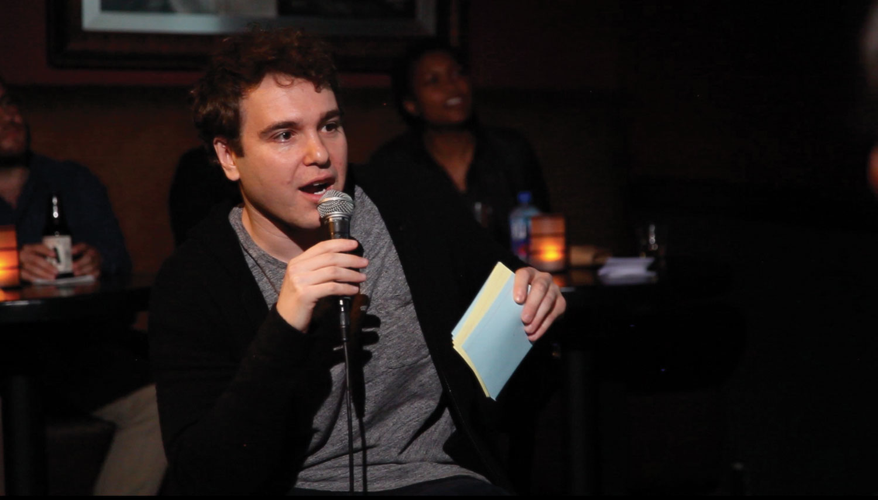
Originally started in 2016 as the Keeping It 1600 podcast on Bill Simmons’ sports-and-culture site The Ringer by a quartet of former Obama administration staffers — Jon Favreau, Jon Lovett, Tommy Vietor and Dan Pfeiffer — Pod Save America and its spinoffs have become a legitimate phenomenon. Their company, Crooked Media, now produces eight podcasts, and Pod Save America reaches 1.7 million people per episode. Last year the group began touring with Pod Save America and the comedic quiz show Lovett or Leave It, and they’ve played sold-out shows around the country, including recently at Radio City Music Hall. The episodes blend humor and activism into what the hosts call a “sane conversation about politics.”
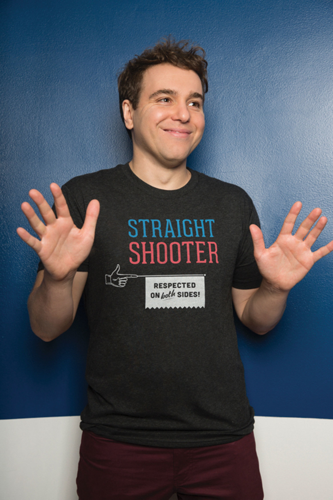
Ahead of the two June 22 shows at the Ryman, Jon Lovett spoke with the Scene about the podcasts, politics and progressives.
How much prep goes into these live shows? It doesn’t seem like a small feat.
Well, so for Pod Save America, we have a lot of talks about what’s in the news, what’s important, what do we think people should be talking about. And then we have a great team that helps us do research, find the best background material, the best things to read, the local races, the local issues that are at stake. And then all of that kind of filters through into what we’re gonna talk about, plus we’re scanning for great videos for “OK Stop” [a frequent bit in which panelists comment on news video clips]. So yeah, it’s a team effort to get ready for the shows. And then for Lovett or Leave It, we’re writing games, and we’re kind of doing the same process but with a little bit more of an eye toward comedy.
At what point did you guys realize that the podcast could be a thing in and of itself, and it wasn’t just a show that you were doing on Bill Simmons’ Ringer network?
Basically, we didn’t want to go back to politics as a hobby. All of us had spent so much time in it, we cared about it, and we all felt — we felt in that moment that what we had said before the election, we still felt was true, which is that Trump was a unique threat. And we had to put our time and our effort and our work where our mouths were, we had to commit to this. And even before the election, there were a lot of reasons we cared about participating and talking about the race. It was both that we knew Trump is a unique danger, but also we felt like the conversation around politics was broken — there is incredible reporting and journalism and investigative work happening every single day.
And we felt that not just as people who had been in campaigns, but as consumers of the news, as people addicted to the news. And so we wanted to have a different kind of conversation. And our bet was that there are other people who felt the same way, that not only was there this emergency in our politics, but also there was a lack of a place for people to talk about politics the way human beings talk. And we bet on that as an idea, and we didn’t have really anything beyond that, except a belief that that was something worth doing and trying. We were completely caught off guard by the response, and it’s been an incredible opportunity. And I think we feel like we’re just trying to make sure we build something that’s sustainable.
It seems like this sort of landed in your laps, and you guys seem to be enjoying it.
We had a mayor [on the show], Pete Buttigieg [of South Bend, Ind.], who was like kind of a great young politician. And what he said that always stuck with me was that we need to be “happy warriors.” This is like a really long fight … and I think for a lot of people right now, we’re angry, and we’re really paying attention. It’s almost like the campaign never ended. We’ve been in this campaign mode, not just in the months before the election, but we never stop. We’re all paying attention, we’re all focused, we’re all engaged as if the campaign never ended. It’s almost like an immune response to a sense that we’re under threat.
But we can’t be that way. Because this is a long fight, and we need to stay in it, and stay positive, and stay engaged, and not be cynical. And so I think that’s the spirit we try to bring to this, that it’s OK to laugh when something crazy happens, even though it’s dangerous, and even though it represents an attack on the fundamental norms and institutions of this country. Donald Trump tweeting [early] about the economic numbers, about the jobs report early, is both pathetic and hilarious, and also a sign that he’s totally corrupt, and undermining the structure of our economy and the way we understand the numbers and facts of our world. Like, those two things can both be true. So I feel really fortunate working on this company, and being on these shows with Jon and Tommy has been the most surprising and rewarding and exciting job I’ve ever had.
But I also spend every day worried, too. Just, I think, like everybody else. So I’m really proud of what we’re doing. I guess yelling about politics is cathartic, but I wouldn’t say — if you’re having a fun time watching what’s happening right now, I just don’t think you fully appreciate the stakes. I’m just being honest about it, but that doesn’t mean it’s wrong to laugh about it. We have to — it’s fucking nuts.
Where should your progressive audience find enthusiasm for Phil Bredesen here in Tennessee? He is as centrist a Democrat as you’re gonna find. He even had an ad that says, “Well, if Trump has a good idea, I’ll support it.”
That is a great question, I’ll just be honest in saying that I wanna learn more about the race myself, just as we’re approaching these shows. But speaking more generally, there’s this kind of false debate that’s going on in Washington between, “Are Democrats focusing too much on Trump and not enough about economic issues?” And then there’s this other false debate about what’s ascendent, is it the Bernie wing, or the Hillary wing? The reality is, there is a lot of consensus around economics, about what we need to do around expanding health care, around jobs, around taxes, around kind of holding Trump accountable.
And, yes, it’s true that we reach a progressive audience — we also reach a lot of people who are new to politics. … It’s not just about reaching people you agree with, it’s also about just getting people who might not be engaged, who might not have voted before, who might not understand why this election matters, just getting more people involved. And hopefully we can help with that. I hope that’s a message we can carry, about just how important this election is, about how important it is to elect senators who won’t sign off on tax cuts for corporations at the expense of health care, who believe in making sure everybody in this country has access to health care. And those are the places where I think Democrats are pretty united. And the most important vote any senator will cast will be for who’s the majority leader in the Senate.
On the tax cuts, are you surprised at all at how little attention those tax cuts have gotten?
No, I mean. … [Laughs] There is so little constituency for Paul Ryan economics. And that has been true for a very long time. You look at what’s happened in Pennsylvania or Virginia or elsewear, and that is not the message they’re using. The second they start it and they’re like, “Oh, people do not like this, let’s talk about MS-13, let’s freak people out about immigrants, because our message about helping big corporations get more money in a time when they’ve never been more profitable, and giving tax cuts to the richest Americans when it’s been a generation since they’ve had this much of a piece of the pie, is apparently not resonating with people.” Surprise, surprise.
I wanted to circle back around to one other thing. How much of the ad reads for the serious podcasts are — I mean, I know that some of them are bland and some aren't. It seems like copywriters are almost daring you guys to kind of play with the material.
We get a script for the ads, and obviously we sort of have fun with it as we go. We've gotten some feedback from advertisements that says, "This is great, do more of it!" And we've gotten some feedback from advertisements which says: "Please never do that thing again. That thing you did in that most recent ad, where you compared our product to something terrible. Hey, can you do us a favor? Don't do that [laughs]. Have a good time, but please don't compare us to Trump University." So that's something, that's an example.
And for the most part, do you think advertisers know what they're getting into when they advertise on your shows?
They do now. Early on there was one, I'm not gonna say the company, but early on, we got this frantic call from a company saying they just caught up on the last six weeks of the ads, please never do anything like this again. “We're freaking out, we hate it. Please don't do this and that.” But since then I think people have sort of gotten the gist of what we try to do anyway, which is get people to listen to it.



Post a comment as anonymous
Report
Watch this discussion.
(0) comments
Welcome to the discussion.
Log In
Welcome to the discussion.
Keep it clean. Please avoid obscene, vulgar, lewd, racist or otherwise abusive language. Comments featuring hate speech or threatening or violent content will not be tolerated.
PLEASE TURN OFF YOUR CAPS LOCK.
Be truthful. Don't knowingly lie or mislead.
Be proactive. Use the “report” link on any comment that violates our comment policy.
Share with us. We'd love to hear your feedback.