
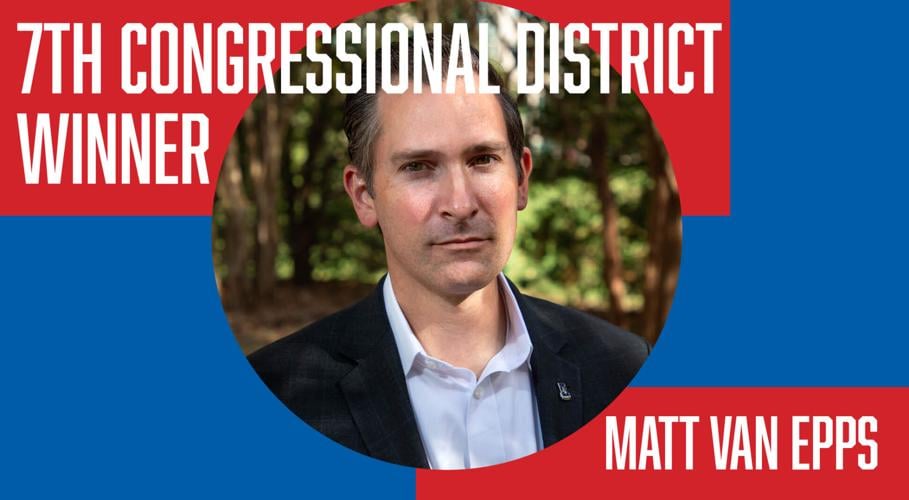

Republican Matt Van Epps won Tennessee’s 7th Congressional District Tuesday night, beating state Rep. Aftyn Behn, a progressive Nashville Democrat. Behn cut into the GOP’s margin from November of last year, when voters elected incumbent U.S. Rep. Mark Green by 22 percentage points.
Behn also rallied rare national attention to the race, which both parties considered a litmus test on Donald Trump’s rocky second term. A huge voter turnout in Davidson County gave Behn a boost, but last-minute campaign help from U.S. House Speaker Mike Johnson and millions in Trump-aligned PAC spending helped carry Van Epps across the finish line.
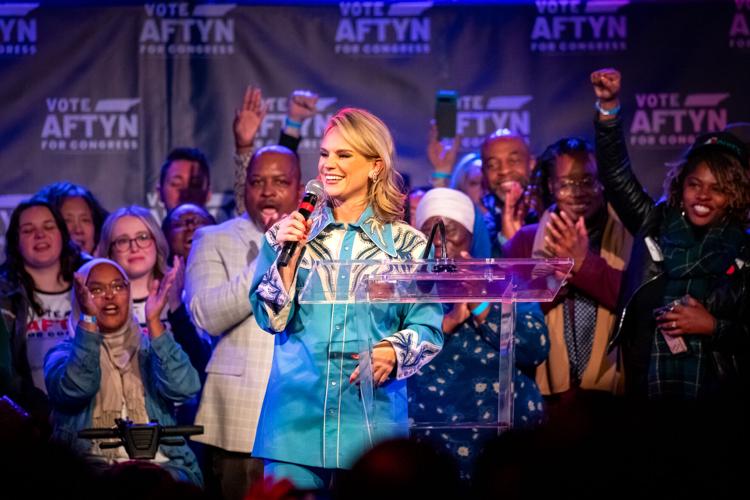
Conceding the election at her watch party at Marathon Music Works in Nashville, Behn called the race "the beginning of something so powerful across Tennessee and across the South."

Aftyn Behn concedes at her 7th Congressional District election night watch party
"The South is not silent, because the South has something to say," she continued, with chants of "We're not done!" breaking out among the crowd. "We've changed the story of what's possible here."
Tennessee Republican Green resigned from the seat in July, just eight months after winning his third term, setting up Tuesday’s special election. Republicans currently hold a six-seat majority in the U.S. House of Representatives, with three vacancies — including the seat left by Green’s resignation. The meandering district includes a huge swath of rural Middle Tennessee, spanning from the Kentucky border to the Alabama border, and a slice of Davidson County. Republican lawmakers redrew the seat during the state’s redistricting process following the 2020 Census.

Nashville briefly gets the battleground spotlight as GOP money machine safeguards against an upset in Tennessee's 7th
Tennessee caught the national spotlight when strong early-November showings by Democrats elsewhere in the country indicated a leftward shift by voters. Money quickly poured into the district as both candidates attracted attention from national PACs, party leaders and President Trump himself. The president appeared at a virtual campaign event for Van Epps and attacked Behn leading up to Election Day.
Behn’s campaign promised affordability and health care access, both topics that poll well with swing voters and in rural districts. She made a whirlwind national press tour in recent weeks; major political outlets saw the race as a gauge of voters almost a year into Trump’s second presidential term.
Green initially recruited Van Epps, an Army veteran and former state commissioner, to fill his seat, helping Van Epps capitalize on a head start against a crowded Republican primary field. Van Epps molded his campaign around Trump’s presidential platform and has vowed to support the president’s agenda in D.C.
Hamilton Matthew Masters contributed reporting.



Post a comment as anonymous
Report
Watch this discussion.
(0) comments
Welcome to the discussion.
Log In
Welcome to the discussion.
Keep it clean. Please avoid obscene, vulgar, lewd, racist or otherwise abusive language. Comments featuring hate speech or threatening or violent content will not be tolerated.
PLEASE TURN OFF YOUR CAPS LOCK.
Be truthful. Don't knowingly lie or mislead.
Be proactive. Use the “report” link on any comment that violates our comment policy.
Share with us. We'd love to hear your feedback.