
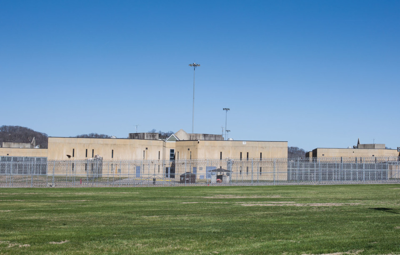


Riverbend Maximum Security Institution
As the dire reality of the COVID-19 pandemic became clear to Americans over the past week, activists and advocates have been sounding the alarm about a part of our society that is likely to be an epicenter of the crisis: jails and prisons.
In prisons, hundreds of inmates live in close quarters, often in poor conditions where infectious diseases spread easily. In jails, that dynamic is compounded by the fact that many people are coming in for short stays and heading back out to the larger community.
Nashville's public defender, Martesha Johnson, is pushing for — among other things — vulnerable criminal defendants to be released without bail to keep them out of the city’s jail. The state’s prison system has taken little action so far; non-legal visits have been suspended, but prisoners aren’t allowed to have the alcohol-based sanitizer recommended by the Centers for Disease Control to fight the coronavirus wreaking havoc around the globe.
But Gov. Bill Lee has the unilateral power to do something that would have a significant impact on the well-being of incarcerated people in Tennessee and, by extension, the whole state. He can grant mass clemency to the state’s older prisoners, who are especially vulnerable to the spreading disease; additionally, reducing the prison population will make outbreaks inside easier to handle. Reducing the number of prisoners who come down with serious cases will reduce the strain on the state’s health care infrastructure.
The state’s most recent data shows that 19.6 percent of Tennessee’s felony inmate population is over the age of 50. That’s more than 4,100 people. Even if you cut that down to people over 60, you’re looking at more than 1,300 people. We know two things about this group of prisoners. First, they face a higher risk of dying from the coronavirus. Second, they are “substantially less likely” than younger people to reoffend if they are released.
The governor has numerous task-force subcommittees working on criminal justice reform right now. He could assign one or more of them to immediately start working with the Board of Parole’s executive clemency unit to review these cases. There will undoubtedly be some logistical challenges, but our entire world right now is a logistical challenge.
There is a strong case to be made that this sort of action should be taken anyway. The prison system in America and in Tennessee is a slow-motion crisis, too often hidden from view.
But if nothing is done now, people in Tennessee prisons seem likely to die from this pandemic. Of those who don’t, some will have serious cases that add to unprecedented pressure on the state’s health care system and further endanger prison staff. But beyond that, the people in Tennessee’s prisons are in the state’s care. They are in our care. We fail them daily. But they should not be discarded during this crisis simply because we do not see them.



