
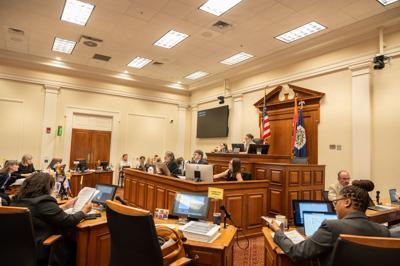

The Metro Council’s consideration of an agreement to allow the Nashville Downtown Partnership to use state funds for surveillance technology has been pushed to January.
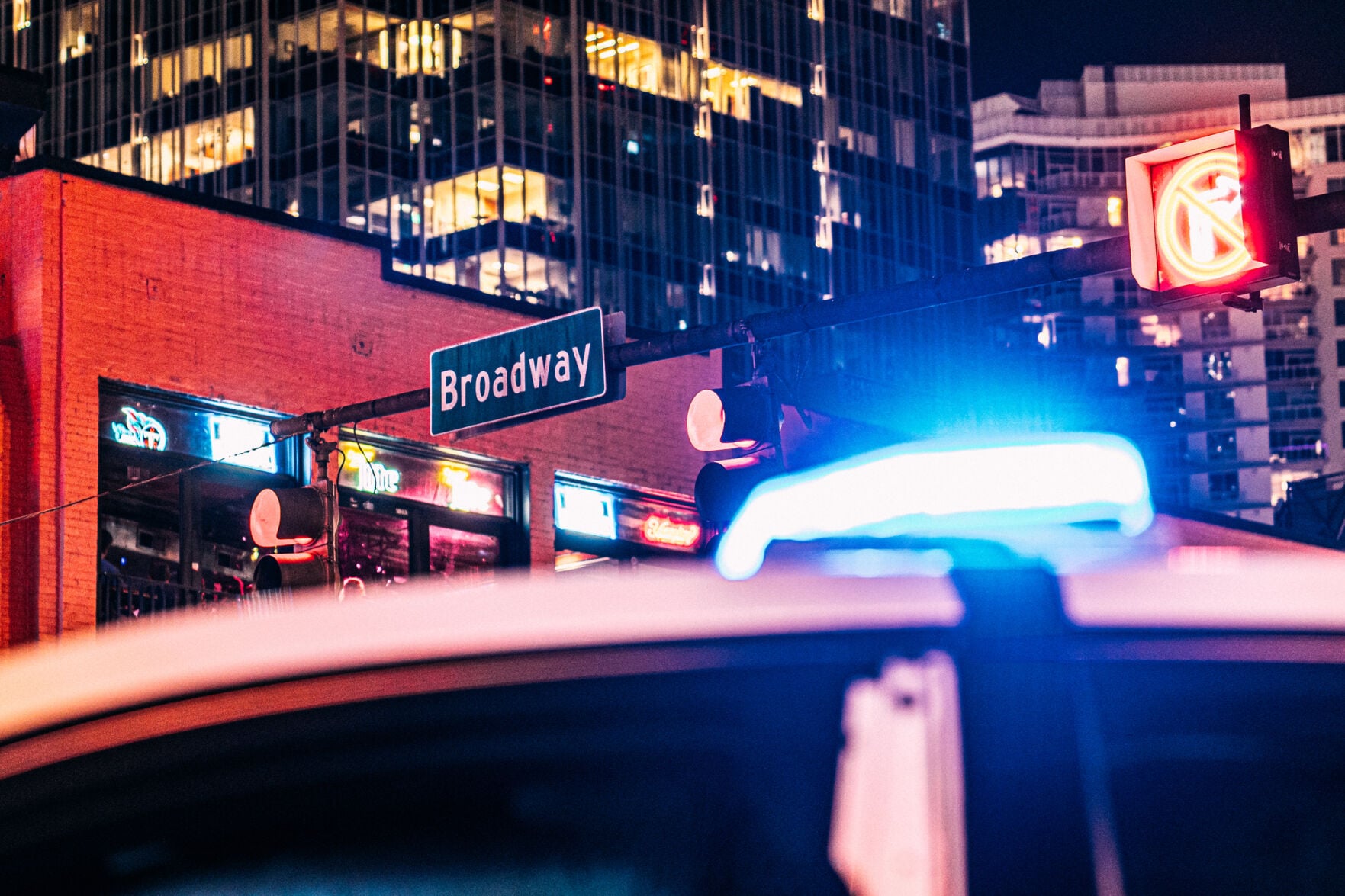
Fearing surveillance abuse, council again defers guidelines for a $15 million grant
On Tuesday night, following an hour-and-a-half of debate at the council’s final meeting of 2025, the body narrowly voted to defer the legislation until Jan. 20. If approved, the agreement would come in the form of a memorandum of understanding between Metro and NDP, allowing the latter to use $15 million in state grant funds for public surveillance systems.
The proposal has led to sharp opposition from those concerned about possible government overreach and the technology’s potential negative impact on marginalized communities. Detractors compare the debate related to public surveillance systems to the fight seen in recent years, and among councilmembers, regarding the Fusus camera network. Many of those opponents spoke during the meeting’s public comment period on Tuesday.
“For Black, brown, immigrant, low-income, unhoused, disabled Nashvillians, these approaches have often resulted in increased harm rather than safety,” said Shawn Whitsell with Nashville Organized for Action and Hope.
Many of the opponents also pushed for a public hearing to be held to allow for more community input. Although a majority of the council voted in favor of the hearing, the 40-member body failed to garner the two-thirds vote support needed for the motion to prevail.
Some councilmembers worried that because the agreement was not approved Tuesday night, they could lose control over where some of the funds are allocated. Councilmembers attempted to get confirmation from Nashville Downtown Partnership officials that the organization would not spend the funds without an agreement with Metro, but no commitment was made.
The council ultimately voted 19-17 in favor of the deferral.
The Boring Company
The council also deferred voting on a resolution opposing plans for the airport-to-downtown tunnel, also known as the Music City Loop, by the Elon Musk-owned The Boring Company.
With Councilmember At-Large Delishia Porterfield as its lead sponsor, the nonbinding legislation condemns “the company's lack of transparency, inadequate community and Metropolitan Council engagement, and troubling labor and safety practices,” as stated in the resolution.

Steve Davis offers Music City Loop details during virtual town hall meeting; the same day, construction crews leave site due to safety, pay concerns
“Affirming that public land and public infrastructure decisions must prioritize the welfare, safety, and expressed needs of Nashville residents; and reiterating the Metropolitan Council's commitment to real, equitable, community-driven transit solutions,” the resolution adds.
Lindsay Lee, a member of the mayor’s Advisory Committee for People With Disabilities, spoke during public comment in support of the resolution and expressed concerns that the tunnel would not be accessible to people with disabilities.
The council voted to defer the resolution until Jan. 20.
Mayor Freddie O’Connell has not taken a firm public stance for or against the tunnel.
“The Metro Council routinely passes nonbinding resolutions that are expressive of the perspective of the body,” O’Connell said last week in a statement to Scene sister publication the Nashville Post.
“Metro as a whole continues to treat the Boring proposal as we would any other pre-development or development project, but they have so far only engaged limited aspects of development services.”
In other business, the council:
Approved an approximately $532 million capital spending plan proposed by the mayor.
Advanced a lease agreement with the Tennessee Performing Arts Center for its new venue within the East Bank. A final reading is set to occur in the new year. (Read more here.)
Approved the Midtown Business Improvement District on second reading. The district would encompass 87 acres of Midtown property located between Vanderbilt University and Interstate 40. The proposal would create a tax surcharge on assessed property in the area, estimated $1.5 million annually. The extra funds would go toward programming like cleanliness efforts and safety patrols in the area.
Passed a resolution pushing for additional oversight of Metro’s Department of Emergency Communication following reports of what Councilmember Joy Styles has called a “toxic” workplace culture allegedly created by the department’s director, Stephen Martini (read more here).
Gave the final OK to a bill that restricts the height of certain residential buildings in an attempt to crack down on tall-and-skinny developments. The legislation is a part of a host of zoning bills looking to address Nashville’s housing crisis (read more here).



Post a comment as anonymous
Report
Watch this discussion.
(0) comments
Welcome to the discussion.
Log In
Welcome to the discussion.
Keep it clean. Please avoid obscene, vulgar, lewd, racist or otherwise abusive language. Comments featuring hate speech or threatening or violent content will not be tolerated.
PLEASE TURN OFF YOUR CAPS LOCK.
Be truthful. Don't knowingly lie or mislead.
Be proactive. Use the “report” link on any comment that violates our comment policy.
Share with us. We'd love to hear your feedback.