

A controversial zoning overlay in one cozy Green Hills neighborhood has prompted full-scale elections, complete with an oversight committee and security measures. The overlay counts passionate residents on both sides and Jeff Preptit — an attorney and first-term Metro councilmember — somewhere in the middle.
At the next Metro Council meeting, scheduled for April 21, Preptit plans to pull overlay legislation he introduced in November after 14 months of development. The proposed property controls cleared hurdles in the council and earned a recommendation from the Historic Zoning Commission in December before being deferred in January. The long, winding legislative process would start anew if ever refiled by Preptit.
Preptit cites his own flawed methodology in tabulating support and an online survey manipulated by supporters for the misfire — both brought to his attention by frustrated opponents who have pursued public records requests for a fuller picture of the overlay process.
“I’m withdrawing the legislation right now to make sure we have ample time and opportunity for community engagement and to clean up the legislative record,” Preptit tells the Scene Friday afternoon, two days after the pending overlay’s most recent community meeting. “Whenever mistakes are made, it’s best to take ownership and do what you can to rectify them, then implement things to make sure it’s a better and smoother process. I want to make sure we’re operating off a very clean legislative record.”

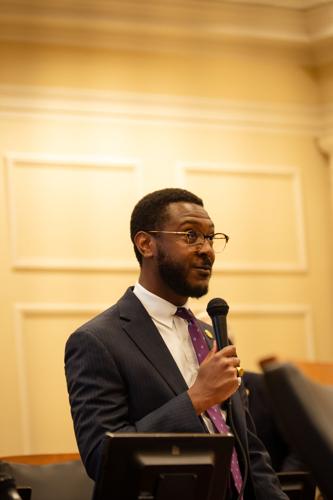
Councilmember Jeff Preptit, August 2025
Preptit has put together a six-person steering committee to oversee a monthlong canvassing, informational and voting period throughout May. Three overlay supporters and three opponents will sit on the committee and canvass the neighborhood’s 124 properties with informational materials in pairs made up of one supporter and one opponent. Each home is entitled to one vote, due by the end of the month, from which Preptit will assess the overlay’s support against a self-imposed 60 percent threshold.
“It doesn’t necessarily have any legal effect — it’s me wanting to make sure everyone’s voice is heard," Preptit says. "It’s a robust process for gauging all that. This is something for the neighborhood — their voices and their input that guides what we do going forward.”
The changes respond to households filling out a previous survey twice and an earlier report to the Historic Zoning Commission by Preptit that misrepresented survey support by a few percentage points. In other instances, neighbors — some of whom directly supported the overlay — secured certain permits just before Preptit introduced the legislation in November, which triggered a permitting moratorium.
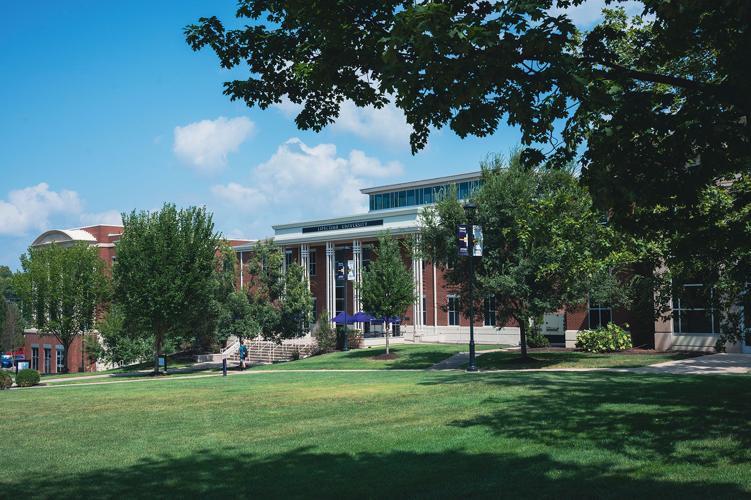
Residents often pursue such property restrictions to limit or discourage development, sometimes offering abstract philosophical arguments about maintaining the character and architectural consistency of a specific neighborhood. This historic overlay would add additional steps and scrutiny to the permitting process for any owner hoping to build or renovate a property therein, and would affect some 124 parcels across 38 acres between Lipscomb, Shackleford and Glen Echo.
The well-heeled hillside includes investment properties, attorneys, architects and the sister of Historic Zoning Commission administrator Robin Ziegler — a connection that some have used to discredit the overlay process. The separate nine-person Historic Zoning Commission formally reviews such proposals, though Ziegler works directly with the body and introduced the overlay in December. In official communications to her brother-in-law, an overlay supporter, Ziegler downplayed any potential conflict.
“I am not a decision maker, so there is no conflict of interest, and I do not have influence over Council, the final decision maker,” Ziegler wrote in an email dated Dec. 23. "It's my 2-cents not to distract from the message you want to send.”
Preptit agrees, though he further emphasizes the importance of a trustworthy process — the aforementioned “clean legislative record.”
“Robin’s role as administrator is to provide information and let people know the implications of this overlay,” he explains. “I made sure any further community engagement from Metro is done by the Historic and Planning commissions."
As in much of Green Hills, rapid house-flipping in the area has changed the neighborhood’s seven streets in recent years. Architect Tom Bauer, who owns two neighboring parcels in the area, contacted Ziegler two years ago to start a conversation about a conservation overlay to preserve remaining 20th-century Tudor, colonial and bungalow homes. Others, like attorney Dylan Reeves, cite frustrated older neighbors who feel underinformed and left out of the process.
Now both will sit together on the steering committee and try to hammer out a path forward.



Post a comment as anonymous
Report
Watch this discussion.
(0) comments
Welcome to the discussion.
Log In
Welcome to the discussion.
Keep it clean. Please avoid obscene, vulgar, lewd, racist or otherwise abusive language. Comments featuring hate speech or threatening or violent content will not be tolerated.
PLEASE TURN OFF YOUR CAPS LOCK.
Be truthful. Don't knowingly lie or mislead.
Be proactive. Use the “report” link on any comment that violates our comment policy.
Share with us. We'd love to hear your feedback.