

Metro's 2023 participatory budgeting steering committee will meet for the first time on Wednesday, beginning the process of dividing $10 million to projects across the city.
The committee will produce guidelines that will govern how the money is distributed. Councilmembers are currently recruiting delegates, who will review submissions and create a ballot of projects that will be subject to public voting.
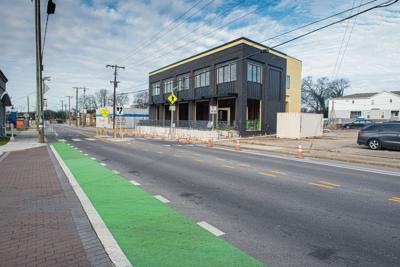
The $10 million came in December from the waning COVID-19 Financial Oversight Committee, the ad hoc body set up in 2020 to help manage federal relief dollars. It builds on two rounds of participatory budgeting supported by the city in 2021 and 2022 that allocated $4 million in capital improvements in Bordeaux and North Nashville. That money brought much-needed infrastructure that, some neighbors say, should have come without the bureaucracy of voting, meetings and debate. Others praise participatory budgeting as direct democracy at work.
Fabian Bedne, a former councilmember who now works on community development in the mayor’s office, oversaw both cycles in North Nashville. Bedne will convene and support the city’s new steering committee.
“I’m a true believer in this,” Bedne tells the Scene. “In prior years, I saw that people really know what is good for them. If given the tools, they come up with really good solutions. They just need to get the tools.” Bedne emphasizes that a successful process will result from far-ranging and creative submissions from residents trying to solve problems.
“We want ideas from all over the city. Not just the usual suspects.”
A submission portal is already up. The steering committee will directly determine what projects are eligible for the funds, which, according to Bedne, must somehow address the impact of COVID-19 on Nashville. The steering committee has no deadline to return its process guidelines.
Members had training sessions with representatives from Metro’s legal and finance departments last week. Metro lawyers covered the basics of open meetings, legally required provisions to ensure transparency. Assistant Finance Director Mary Jo Wiggins briefed the group on how the project is funded and budgeted.
Bedne declined to make the entire committee roster public, but it includes Scene contributor Nicole Williams, nominated by her district Councilmember Mary Carolyn Roberts.
“I’m hopeful that we’ll be able to maintain some distance from the administration and make this a truly resident-led effort,” Williams tells the Scene. “Year after year, we hear calls from residents across the county to reevaluate spending priorities, and year after year, the administration produces budgets that fail to meaningfully address that feedback. Participatory budgeting empowers residents to direct spending to the projects and programs that will best serve their communities.”
While the mayor’s office helped organize the steering committee, Bedne reiterates that the committee is fully empowered to determine the process around allocating the $10 million. Members will meet at OneC1TY near Centennial Park at 5:30 p.m. on Wednesday, Feb. 22.



Post a comment as anonymous
Report
Watch this discussion.
(0) comments
Welcome to the discussion.
Log In
Welcome to the discussion.
Keep it clean. Please avoid obscene, vulgar, lewd, racist or otherwise abusive language. Comments featuring hate speech or threatening or violent content will not be tolerated.
PLEASE TURN OFF YOUR CAPS LOCK.
Be truthful. Don't knowingly lie or mislead.
Be proactive. Use the “report” link on any comment that violates our comment policy.
Share with us. We'd love to hear your feedback.