
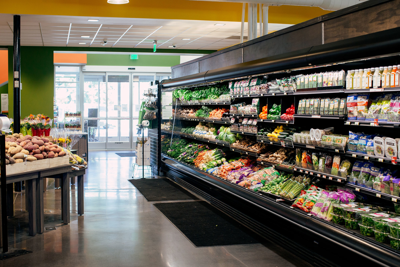
Tennessee Democrats are renewing their call to end the state’s grocery tax, while Republicans are divided on the issue.
For the third year in a row, state Rep. Aftyn Behn (D-Nashville) is pushing to repeal the state’s grocery tax, promoting her 2025 “End the Grocery Tax by Closing Corporate Loopholes Act” legislation with co-sponsor Sen. Charlane Oliver (D-Nashville).
Behn argued during a Monday press conference that the bill approaches the issue responsibly by continuing to generate revenue without raising or implementing new taxes. Between 2019 and 2022, 63 percent of corporations paid zero in excise tax, and only 40 percent paid the $100 minimum of the franchise tax, according to a report from the Tennessee Department of Revenue.
“We [make up the revenue] by closing corporate tax loopholes that allow multinational corporations to shift profits to offshore tax havens and by establishing a minimum tax for the most profitable corporations operating in Tennessee,” Behn said on Monday. “In other words, if a corporation is making billions of dollars while operating here, it should contribute something to our state, where it does business.”
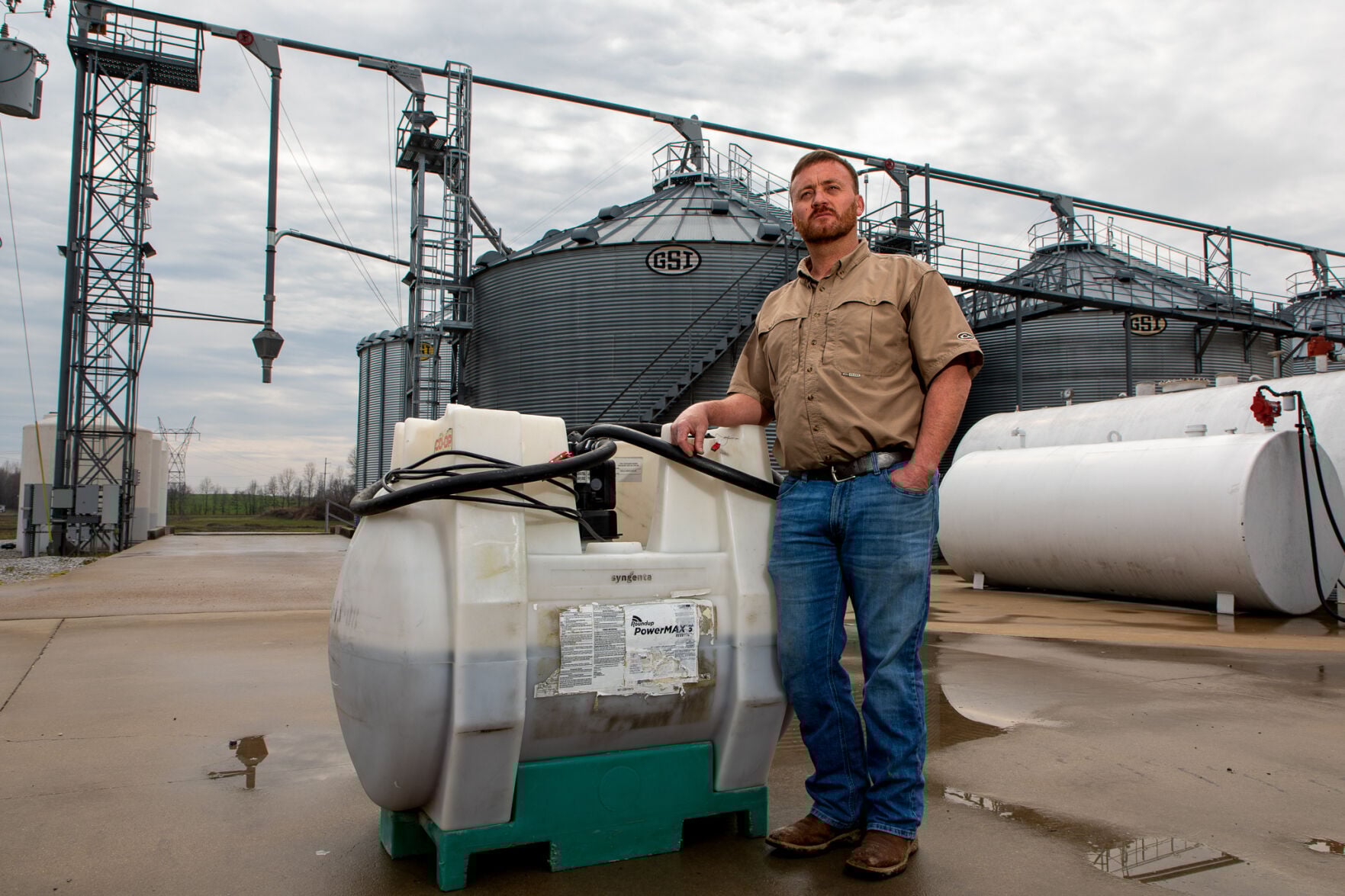
Before lawmakers gavel out this year — ahead of an election cycle — a bill designed to protect pesticide companies’ liability remains uncertain
The push for repealing the grocery tax is not coming solely from Democrats. House Majority Leader William Lamberth (R-Portland) co-sponsored a related bill, but it stalled last year. Another Republican bill proposes sales tax exemptions on fresh fruits and vegetables.
In January, Lamberth advocated for an end to the tax at an Americans for Prosperity Tennessee event in Hendersonville.
“That's something I don't think we should have in Tennessee,” Lamberth said at the time. “We absolutely should … do away with that. It might take time, but we need to keep chopping on that. I don't think you should be charged taxes on any type of essential item that you have to buy.”
But Lamberth’s Senate counterpart, Senate Majority Leader Jack Johnson (R-Franklin), says he’s “adamantly opposed to that.”
“Our sales tax on groceries is already roughly 30 percent less than it is on everything else that we pay,” Johnson said during a Williamson County Policy Talks event in January.
“I will oppose any effort to reduce the sales tax on food,” said Johnson. “I’m not against tax cuts. I'm not against looking for ways to help Tennessee consumers at all income levels, but we've got to preserve that recurring tax base that we have. It's a consumption tax. If we start chopping away at it and taking away certain things, then we have to raise it on others. The best way to have a tax system is for it to be very broad and keep it as low as possible, and that's what we have right now.”
Behn took aim at that claim about a potential revenue deficit, arguing that Republican efforts to repeal the tax don’t work to make up the difference in other ways. Tennessee’s 4 percent grocery tax currently brings in $800 million per year, she explained. Behn said worldwide combined reporting (a tax method that requires corporations to calculate taxable income from aggregate profits including subsidiaries) would cover $300 to $450 million, and a corporate minimum tax would cover $350 to $450 million.
“Removing $800 million from the state budget without replacing it means one thing — cuts,” said Behn. “Cuts to schools, cuts to health care, cuts to infrastructure, cuts to public safety. It's not responsible tax policy, and our bill does something different.
“It gives working families relief at the checkout line without gutting the services communities rely on. For years, the legislature has prioritized corporate tax breaks, while Tennesseans kept paying one of the highest grocery taxes in the country. We are offering a different path.”





