
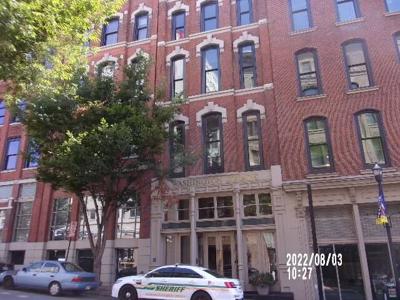


The building at 222 Second Ave. N., which houses District Attorney Glenn Funk's office
On Feb. 9, a NewsChannel 5 segment by Phil Williams reported on office cameras at District Attorney Glenn Funk’s Second Avenue office, calling them “eavesdropping devices” that potentially violated individuals’ expectations of privacy. Days later, Tennessee Attorney General Jonathan Skrmetti responded with a letter notifying Funk that the AG would be investigating privacy concerns.
That investigation has not materialized, and invitations from Funk to Skrmetti have gone unaccepted, Funk tells the Scene.
The office’s extensive network of security cameras primarily monitor interior hallways and open office space. With a few exceptions — office entrances and exits, an empty evidence room, an area for defense attorneys to view evidence in child pornography cases that can’t be taken off site — cameras do not capture audio.
Security cameras date back to Funk’s predecessor, Torry Johnson, and followed the office’s relocation to a private commercial building from government office space two decades ago. The office slowly installed security measures familiar at government sites, like the Metro Courthouse or the Tennessee State Capitol. Funk and his colleagues cite regular threats of physical and sexual violence to explain the need for a security guard and cameras.
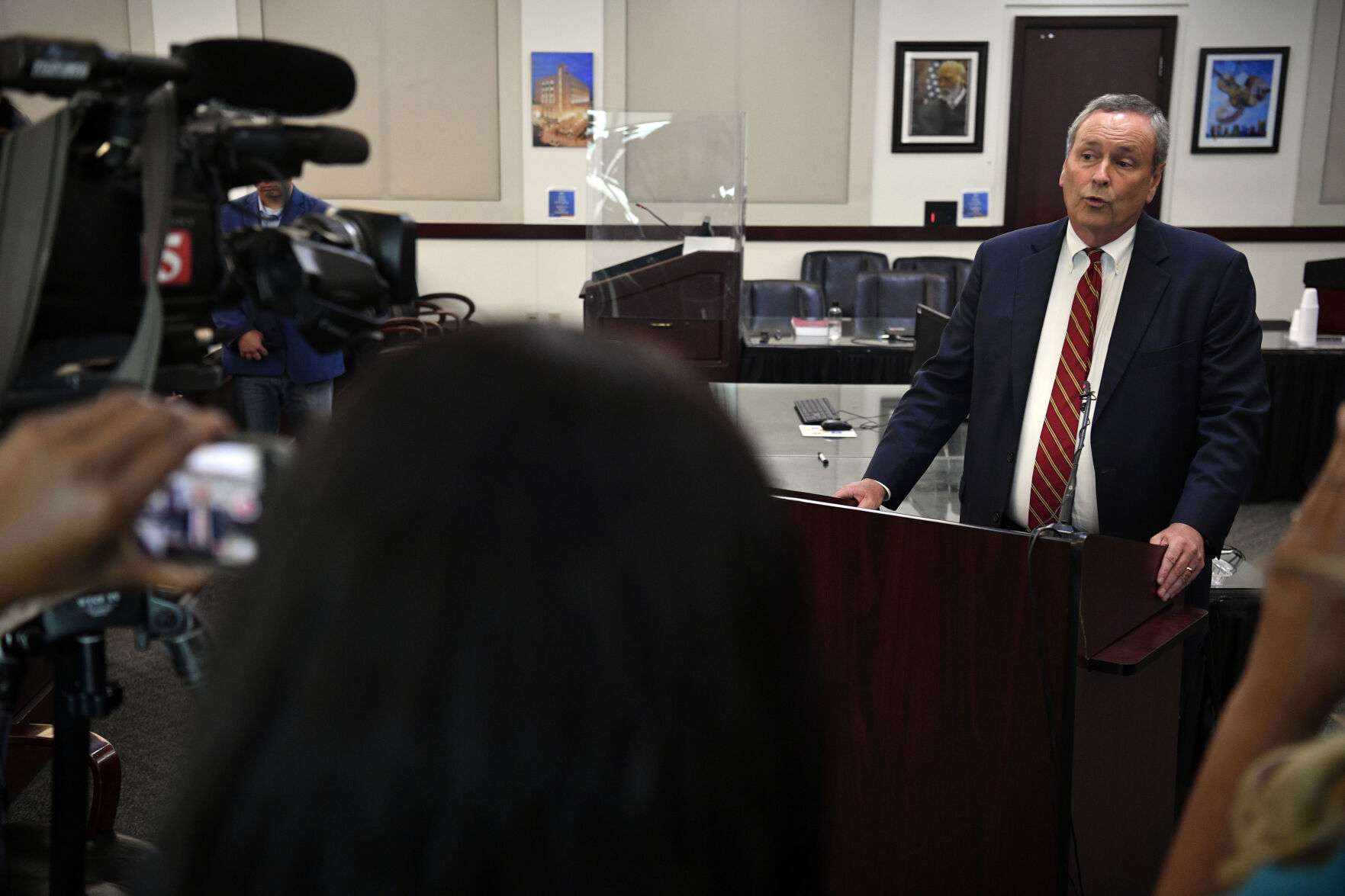
NC5's Phil Williams claims 'eavesdropping devices,' DA Funk calls them 'security measures'
Criminal defendants do not consult with their lawyers at the District Attorney’s office. Grand juries meet two rooms away from an interior hallway, which is across a large atrium from a camera trained on a fourth-floor office entrance. A wall-mounted sign alerts passersby about a security camera facing the entrance. No devices collect only audio. Areas where an individual might expect privacy — spaces for attorney-client conversations or jury deliberations — did not exist or were far from surveillance posts.
Funk says he also gave The Tennessean a similar tour, but neither Williams nor any other reporter from NewsChannel 5 has been walked through the office’s security infrastructure. Skrmetti's office has not accepted an invitation to visit. Funk is planning to hire an independent firm to evaluate whether its security measures are appropriate.
Williams and Funk continue to navigate a tense relationship. Funk sued Williams for libel, a years-long lawsuit settled in 2020. State legislators and Skrmetti have jumped at the chance to needle Funk, whose executive power positions him to mitigate Tennessee’s harsh legal penalties for abortion care and drug offenses.



Post a comment as anonymous
Report
Watch this discussion.
(0) comments
Welcome to the discussion.
Log In
Welcome to the discussion.
Keep it clean. Please avoid obscene, vulgar, lewd, racist or otherwise abusive language. Comments featuring hate speech or threatening or violent content will not be tolerated.
PLEASE TURN OFF YOUR CAPS LOCK.
Be truthful. Don't knowingly lie or mislead.
Be proactive. Use the “report” link on any comment that violates our comment policy.
Share with us. We'd love to hear your feedback.