

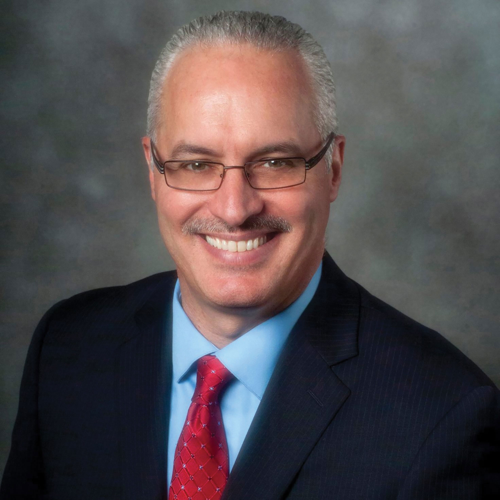



Sheriff Daron Hall
The letter Metro Councilmember Freddie O’Connell received from Sheriff Daron Hall last week was written in the official language of government correspondence, but the upshot was clear: Nashville can feasibly end its nearly 30-year relationship with CoreCivic.
The infamous for-profit prison company has operated the Metro Detention Facility since 1992 and has long been a target of activists. The corporation, which was founded in Nashville in 1983 and headquartered in Green Hills until 2018, runs seven prison facilities throughout the state. Over the years, several have been plagued by understaffing, poor conditions and rampant violence.
At a press conference last week, O’Connell and Councilmember Emily Benedict announced a plan that would see Nashville extend its contract with CoreCivic until the Davidson County Sheriff’s Office could take over the MDF in July 2022. The sheriff had emphasized in his letter that his department could run the facility if it had the money to operate it effectively and enough time to transition.
But on July 6, CoreCivic CEO Damon Hininger sent a long letter of his own to the sheriff and other Metro officials. The message, essentially: You can’t kick us out, we’re leaving.
“While we acknowledge that it is Metro’s prerogative to take steps toward ending our contract, we cannot allow our company, more importantly our employees, to be used as a punching bag by political opportunists who do not value the services we provide,” Hininger wrote. He said the company would provide a 90-day transition plan beginning immediately and ending on Oct. 4.
After consistent calls and protests from activists, discussions about getting Nashville out of business with CoreCivic started in earnest at the Metro Council in 2017. O’Connell passed an ordinance in 2017 requiring more transparency about the city's contract with the company, and he asked Hall to conduct a study to assess the feasibility of the sheriff’s office taking over control of the MDF. The answer, in short, was that it wasn’t feasible, because it would cost Metro tens of millions of dollars.
But O’Connell said Nashvillians still had to “weigh the moral costs of continued operation of MDF against the fiscal cost of public operation.” Benedict made the same argument, highlighting the moral cost of participating in prison profiteering. A bill of hers that would have cut ties with CoreCivic was deferred after it passed on first reading, in large part because of the costs highlighted by the sheriff’s feasibility study.
But those costs were largely due to the high daily rate CoreCivic receives from the state for each prisoner it detains. The recent breakthrough came after Hall informed O’Connell that the state had agreed to pay the DCSO the same amount.
“I am confident the budget impact to Metro government is minimal aside from a $5 million start-up cost,” Hall said in his letter to O’Connell.
In a separate statement, Hall said: “It’s important to point out this change would be a philosophical one, not performance based. We have monitored this contract for more than 25 years and CoreCivic has consistently met contractual requirements.”
Indeed, it is the philosophy of private prison operation — the basic notion of a corporation profiting from mass incarceration and selling shares on the New York Stock Exchange — that many find so appalling.
“Their profits are based on imprisoning as many people as possible at the lowest possible cost because that is how they make money for themselves and their shareholders,” the councilmembers said in a joint press release last week. “The motivation of their business is profit, not people. Their business model is dependent on laws that cause more people to be jailed, and stay jailed.”
CoreCivic’s letter is not likely to change many views on the efficacy or ethics of private prison operation. But it could blow a hole in the careful logistical vision laid out by the sheriff.
Hall’s assessment of the viability of Metro operation of the Metro Detention Facility came before CoreCivic declared its intent to walk away from the contract in 90 days. The Metro Council is set to consider an amended version of Benedict’s bill on second reading Tuesday night. Before CoreCivic’s letter came along, the bill’s chance of passage looked good.
In tweets responding to the letter Monday night, Benedict and O’Connell did not soften the rhetoric that has Hinninger wanting to pull the company out of the city where it was founded.
“Seems to me that if a company had concern for the safety of inmates and work security for employees then they would allow enough time for a safe and deliberate transition,” Benedict wrote in a tweet. “Once again, they are showing us what they value.”
O’Connell echoed that sentiment in a tweet of his own: “They’re just here for the easy money.”



Post a comment as anonymous
Report
Watch this discussion.
(0) comments
Welcome to the discussion.
Log In
Welcome to the discussion.
Keep it clean. Please avoid obscene, vulgar, lewd, racist or otherwise abusive language. Comments featuring hate speech or threatening or violent content will not be tolerated.
PLEASE TURN OFF YOUR CAPS LOCK.
Be truthful. Don't knowingly lie or mislead.
Be proactive. Use the “report” link on any comment that violates our comment policy.
Share with us. We'd love to hear your feedback.