

Barely four days into 2023, Steve Smith’s ad hit the airwaves.
“Aug. 3, 2023, Nashville voters will step into the voting booth to select the next mayor,” the ad’s narrator says. “The choice is as easy as A-B-C: Anybody but Cooper.”
Smith is best known for his ownership of several high-profile Lower Broadway bars. He supported Cooper in 2019, but the pair got sideways over COVID policies, property taxes and more. The buy for the 15-second ad was relatively small — just $3,000 on NewsChannel 5 — but it signaled that there are at least some people out there itching for a fight in local elections.
This year, voters will pick a mayor, vice mayor and a new Metro Council on Aug. 3. Here are some important dates to watch along the way.
Jan. 15: The final day candidates can raise money before having to file a campaign finance disclosure.
In the 2015 cycle, Megan Barry and Charles Robert Bone both posted strong results by January, raising $450,000 and $565,000 respectively. It gave both candidates the ability to build a campaign apparatus, get some early ads on the air (remember Bone’s “Joelton connected to Bellevue” jingle?) and show their relative strength as candidates.
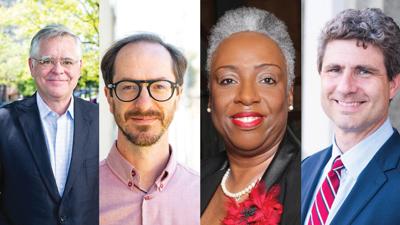
After disclosing that he had raised more than $300,000 in his first weeks as a candidate in July 2022, former MDHA executive Matt Wiltshire is the candidate most likely to get close to those marks. District 19 Councilmember Freddie O’Connell raised $100,000 quickly after declaring in the spring, but his ceiling may be lower. At-Large Councilmember Sharon Hurt just jumped into the race, so she’s unlikely to disclose a big number.
Mayor John Cooper has done minimal fundraising, hosting only one big event in 2022. And to be fair, Cooper has never been a fundraising machine. He financed his 2019 campaign with more than $2 million of his own money versus just $331,000 from donors. He’s still carrying $725,000 in loans from the last race.
March 20: The first day to pick up a petition.
Candidates can officially pick up their qualifying forms, often referred to as “pulling papers,” in mid-March. By that point, we should know most of those trying for mayor, vice mayor and council.
At least six new candidates are already fundraising for an at-large position on the Metro Council: Jeff Syracuse, Quin Evans Segall, Russ Pulley, Olivia Hill, Chris Cheng and Tony Chapman. Meanwhile, 14 district councilmembers are term-limited and cannot run again, opening up seats across the county.
In the vice mayoral contest, incumbent Jim Shulman plans to run for a second term, while District 34 Councilmember Angie Henderson has said she is interested in the job as well.
May 18: Qualifying deadline.
Candidates can remove their names from the ballot until May 25.
Historically speaking, late entries to races can be effective — Cooper didn’t enter his at-large council race or the mayor’s race until April of 2015 and 2019, respectively — but that’s generally the strategy of candidates who are already well-funded and/or well-known. In the case of Cooper vs. David Briley in 2019, getting in late turned the race into a sprint. Cooper is expected to announce his reelection bid sooner than that, but maybe not before a crucial Titans vote in March.
July 5: Voter registration deadline.
Aug. 3: Election Day.
Sept. 14: Election runoff (if necessary).

From the mayoral race to independent local venues, potential development of the East Bank, TennCare coverage and more, here are eight stories to keep an eye on this year



Post a comment as anonymous
Report
Watch this discussion.
(0) comments
Welcome to the discussion.
Log In
Welcome to the discussion.
Keep it clean. Please avoid obscene, vulgar, lewd, racist or otherwise abusive language. Comments featuring hate speech or threatening or violent content will not be tolerated.
PLEASE TURN OFF YOUR CAPS LOCK.
Be truthful. Don't knowingly lie or mislead.
Be proactive. Use the “report” link on any comment that violates our comment policy.
Share with us. We'd love to hear your feedback.