


Along the Duck River
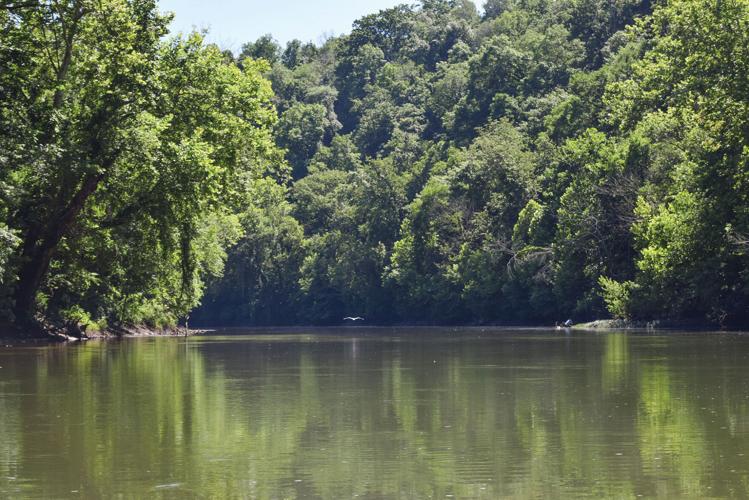
It doesn’t take a hydrologist, geologist or biologist to sell a pristine river carrying a steady current through green meadows lush with clover.
“ When settlers came in, the prime land was right next to the river. You had the water, you had direct access, you could fish and hunt,” explains Van Ayers, a Bedford County farmer whose family has lived near the Duck River for more than a century.
What was obvious to early Tennesseans — and the Indigenous peoples who lived with the river millennia before white settlers — has recently become the grist for water reports, conservation recommendations and lawsuits that codify the Duck’s flowing benefits.

Along the Duck River
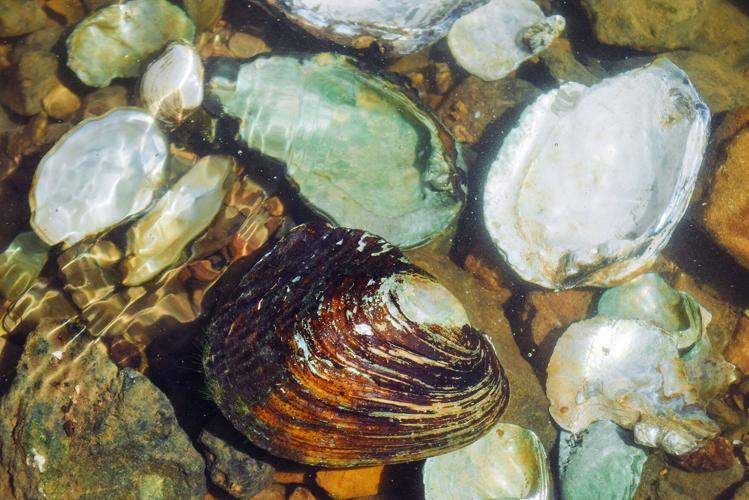
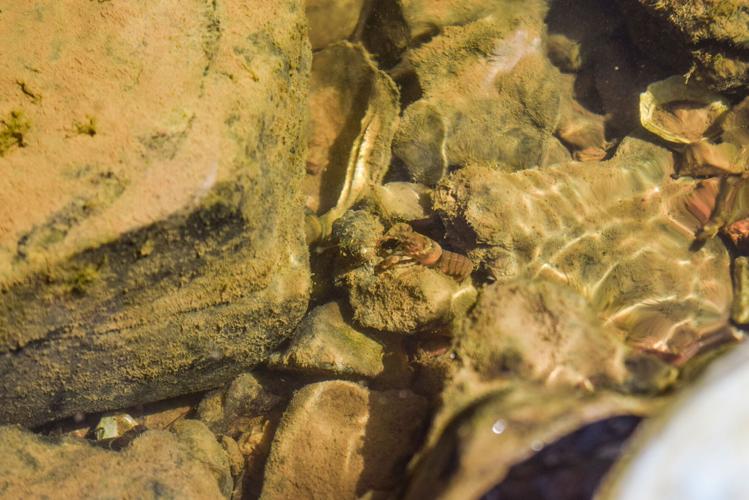
Twenty years ago, Congress tasked each state with compiling a report on potentially threatened or endangered wildlife. In 2015, the Tennessee Wildlife Resources Agency included the Duck River in its Wildlife Action Plan as one of the state’s key natural habitats lacking sufficient conservation protections. According to the report, the river supported 151 species of fish, 51 species of mussels and 22 aquatic snail species. The Duck has received particular attention for its thriving freshwater mussels, a sensitive and delicate bivalve that signals exceptional water quality. Humans started to get in the way.
More people means more water, a pumping-and-treating job that falls to local municipalities facing pressure to accommodate the past decade’s population boom in Middle Tennessee. When the Tennessee Department of Environment and Conservation approved a water withdrawal permit to Marshall County in August 2021, lawyers got involved. The municipality appealed TDEC’s water withdrawal limit, prompting intervening suits from the Southern Environmental Law Center representing the Tennessee Wildlife Federation and The Nature Conservancy.
More permit requests followed, from public utilities in Columbia, Bedford County and Coffee County.
“The Duck River is facing immense pressure from Middle Tennessee’s fast-paced growth,” the SELC wrote in 2024 as it prepared another round of lawsuits to limit water withdrawal. The SELC has been known to refer to the Duck as the “crown jewel” of Tennessee’s river system. “Eight utilities want to drastically increase the amount of water they take from the river. The utilities seek to increase their daily water consumption by 19 million gallons, for a total of 73 million gallons of water to be pumped from the river each day.”

On the Duck River
Gov. Bill Lee joined the Duck River hype train in November. Lee issued an executive order delegating conservation efforts to a Duck River Watershed Planning Partnership through 2026, including water-loss limits and habitat restoration efforts. He wants to preserve canoeing, fishing and mussel-tagging for future generations, according to the accompanying announcement video that features Lee engaged in various scientific and recreational pursuits in fishing couture. The initiative is the most that Lee, who hems and haws about the existence of climate change, has ever done for the environment. Most of today’s conservatives continue to focus on the preeminence of preserving nature for human enjoyment, like hunting and hiking, over communicating honestly with voters, even as the environment’s ongoing destabilization becomes more obvious and severe.

The photographer and conservationist will soon launch a three-and-a-half-week journey down the endangered waterway
The order aids efforts to keep water in the Duck and earned a shoutout from the SELC, which drew an immediate connection to climate change via last summer’s drought and a subsequent rash of dead mussels.
The attention has given way to popularity. Navigating one of Tennessee’s cool, winding rivers stands alongside climbing, hiking, fishing and hunting as a choice outdoor recreation activity. Nashvillians have long enjoyed the Harpeth’s winding curves on Davidson County’s western edge. Now the Duck is a destination day trip for river enthusiasts.
“Thirty years ago, you could float the river and see no one,” says Ayers. “Now it’s just packed — people buy a kayak from Walmart and pack a cooler full of beer. It’s an easy, inexpensive way to get outside.”
Ayers mentions a string of recent drownings and the ongoing struggle to find balance between public benefits and the public good. “I think the state’s still lacking to some extent on monitoring with the TWRA,” he says, “definitely on the real heavy weekends, to the point that they have a boat in the river and are writing tickets.”

Exploring sustainability efforts at Neuhoff District, conservation of the Duck River, restoration of TSU’s Tiger Bay Wetlands and more



Post a comment as anonymous
Report
Watch this discussion.
(0) comments
Welcome to the discussion.
Log In
Welcome to the discussion.
Keep it clean. Please avoid obscene, vulgar, lewd, racist or otherwise abusive language. Comments featuring hate speech or threatening or violent content will not be tolerated.
PLEASE TURN OFF YOUR CAPS LOCK.
Be truthful. Don't knowingly lie or mislead.
Be proactive. Use the “report” link on any comment that violates our comment policy.
Share with us. We'd love to hear your feedback.