



For freshmen legislators in the Tennessee General Assembly, preparing for their first session can create a familiar kind of anxiety.
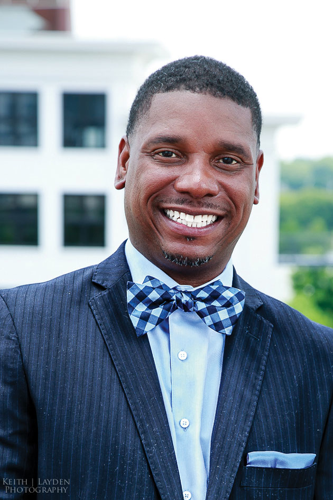
“Everything looks alike,” says Vincent Dixie, the new representative for House District 54 in Nashville. “The first day, they gave me a tour, showed me my office. On the second day, I can’t find my office. I felt like I was in high school all over again, and I was embarrassed to ask where my office is.”
Finding their way in and around the legislative offices at the Cordell Hull State Office Building can be as challenging as researching their first bill. During the temporary transition phase between Election Day in November and the start of the term in January, Dixie set up shop in the House minority leader’s office, formerly occupied by Craig Fitzhugh, who retired to run for governor. Soon enough, Dixie will be kicked out for Memphis Rep. Karen Camper, the newly elected minority leader. But for now he’s enjoying the spacious suite with a view of First Tennessee Park and Nashville’s Germantown neighborhood.
“They joke around with me, keep calling me the minority leader,” Dixie says. “I’m the minority leader for like two or three days.”
He has just one request for his real office assignment: “Don’t put me in a closet. I’m sure there are closets for those troublesome members.”

Rep. Vincent Dixie
The Tennessee General Assembly remains dominated by Republicans, who hold super-majorities in both bodies, meaning they can form a big enough quorum to take action without recruiting any members of the minority. In November, Democrats picked up a just single net seat in the House and none in the Senate, but that lack of change on paper belies the biggest legislative turnover in two decades. Mix a couple dozen new legislators with a new governor and speaker of the House, and one might expect the state government to behave differently in 2019. But that’s far from certain. In fact, many observers predict little substantial change at all.
Like other freshmen, Dixie must navigate a body ruled by arcane tradition and seniority. Despite his desire to stay out of the troublemakers’ closet, the Nashville Democrat doesn’t plan to be a backbencher when the legislature convenes on Jan. 8.
“I didn’t come here to sit on the sidelines,” he says. “That’s not what my constituents want.”
Other first-term legislators do plan to blend in — or at least try.
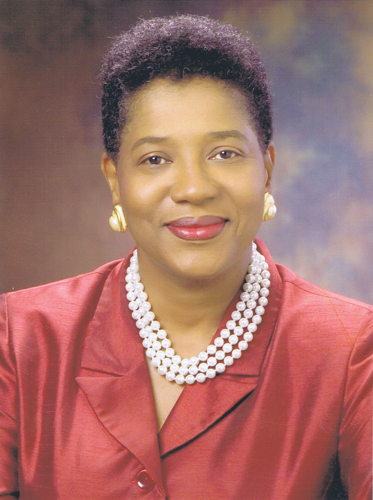
Robin Smith, the new Republican representative from District 26 in Hamilton County, is a familiar face to many at the Capitol. She chaired the Tennessee Republican Party from 2007 to 2009. Her tenure in that role included the 2008 election, during which Republicans won a majority of seats for the first time in more than a century.

Rep. Robin Smith
During the 2008 election, the Tennessee Republican Party issued a notorious press release titled “Anti-Semites for Obama” that featured then-candidate Barack Obama in traditional African clothing and emphasized his middle name, Hussein. Smith was unrepentant as the resulting controversy bubbled out of control, but she removed the release from the party’s website after a discussion with Republican Sen. Lamar Alexander, and both the national Republican Party and Republican presidential nominee John McCain disavowed the message.
That and other actions from her time at the helm of the state party bled into Smith’s unsuccessful run for Congress the following year, but nearly a decade later, she was elected to the state House without much fanfare. And she hopes it remains that way.
“As a freshman I listen a lot and try not to speak unless I have something to contribute,” Smith says. “When I was the state party chairman, it was my job to wake up every day and beat Democrats. That was my job. When I wake up now as a state representative for House District 26? My job is to prioritize the needs of those people.”
Smith and other freshmen Republicans won’t be encouraged to stay quiet and out of the way by leadership. At least that’s what one of their new leaders tells the Scene.
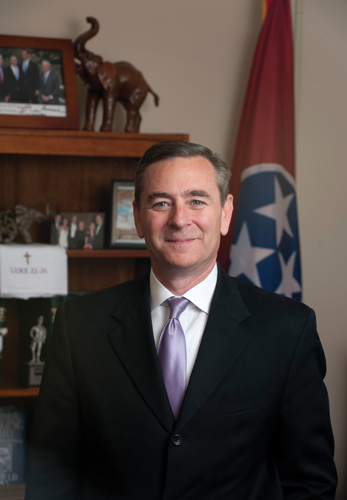
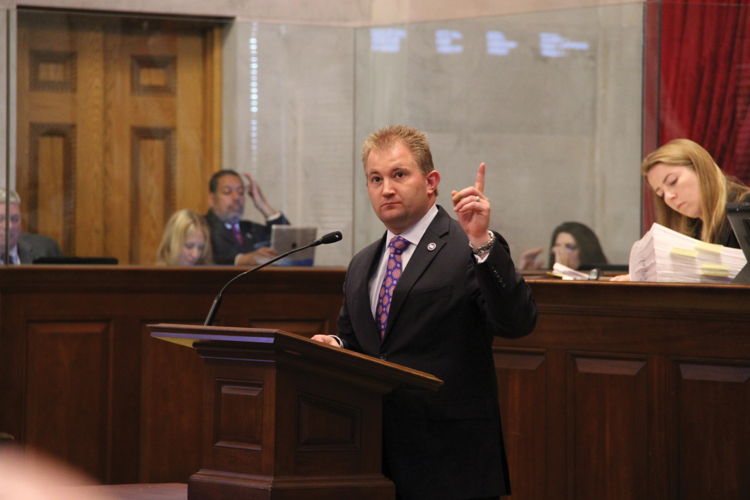
“Sometimes you may have veteran members who will tell new members, ‘Your first two years, sit there, don’t speak, just listen and learn,’ ” says Rep. William Lamberth, newly elected House majority leader. “That’s a waste of a seat. I expect our freshmen to get to work. … We can’t have all of them sit on the sidelines. We need them in the game immediately.”

Rep. William Lamberth
Lamberth is part of a group of new Republican leaders in the House. At a caucus meeting following the November election, House Republicans picked Majority Leader Glen Casada as their nominee for speaker of the House, meaning he’s almost assured to be chosen by the full House when they vote later this month. The Franklin lawmaker has eyed the speakership for years. Ahead of the 2011 session, Nashville Rep. Beth Harwell bested Casada for the job, but her retirement to run for governor in 2018 opened it up, and Casada held off two challengers.
The gubernatorial campaign left another leadership vacuum, as Minority Leader Craig Fitzhugh sought the Democratic nomination for governor rather than running for re-election. State House Democrats picked Camper to succeed him.
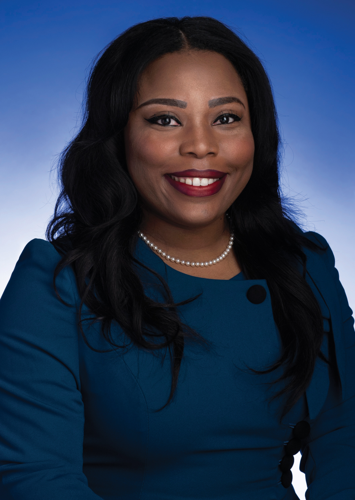
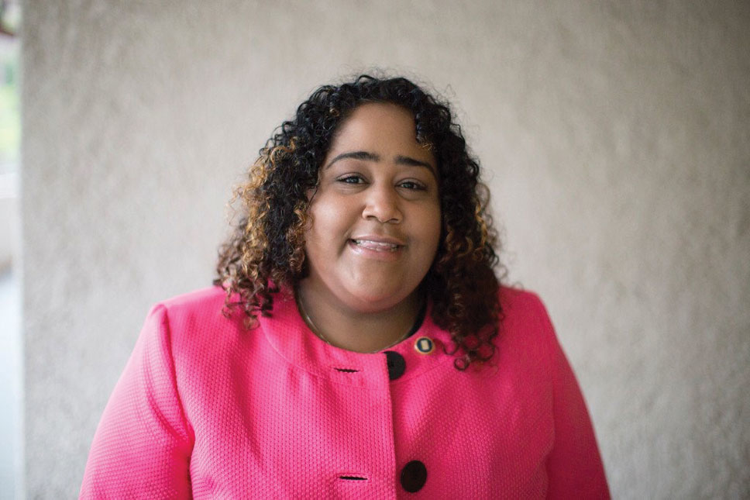
In the state Senate, Republicans again backed Lt. Gov. Randy McNally as their nominee for speaker and picked Sen. Jack Johnson of Franklin as the new majority leader, a spot he’ll assume from Mark Norris, who left the Senate for a federal judgeship in West Tennessee. The Senate Democratic Caucus is still made up of only five members, but three of them are new, and they are newly led by Minority Leader Jeff Yarbro of Nashville and the caucus chair, Raumesh Akbari of Memphis.

Sen. Raumesh Akbari
Akbari, formerly a state representative, took the seat of Lee Harris, who was elected Shelby County mayor. But it’s the replacement of the other two outgoing members of the caucus that gives Democrats renewed optimism and Republicans at least some concern that the super-minority will be a little louder in the session to come.
Brenda Gilmore of Nashville, another former state representative, was elected to retiring Sen. Thelma Harper’s seat, and Katrina Robinson of Memphis beat out incumbent Sen. Reggie Tate in the Democratic primary over the summer. Tate often voted against Democratic priorities and was even caught on a hot mic describing his fellow Democrats as “full of shit.” At times Harper also drew the ire of fellow Democrats, and last year a political group rated her more conservative than one Republican senator.
“The chemistry has definitely changed,” Robinson says. “Prior to now, the Democratic caucus didn’t operate as cohesively as we plan to.”
Lacking the numbers to pass laws on their own, those in the super-minority have just a couple of options: work across the aisle, or yell and scream. There will likely be some of both.
“The Senate Democratic Caucus can meet inside my Mazda with room for luggage, but it will be a vastly different Senate Democratic Caucus this year,” says Tom Lee, a political strategist, lobbyist and the member in charge of the Nashville office of law firm Frost Brown Todd. “They are going to bring a new approach that will change the subject in a lot of Senate conversations, particularly at the committee level, and I think that’s for the better. An active debate is for the good, regardless of which party is in the minority at the moment.”
Another caucus that can meet in a Mazda? Nashville Republicans.
Following Harwell’s retirement, state Sen. Steve Dickerson (who drives a Toyota) is the only full-fledged Davidson County representative in the majority party. (Gallatin Republican Sen. Ferrell Haile represents a sliver of eastern Davidson County, though the vast majority of his district is located in Sumner and Trousdale counties.)
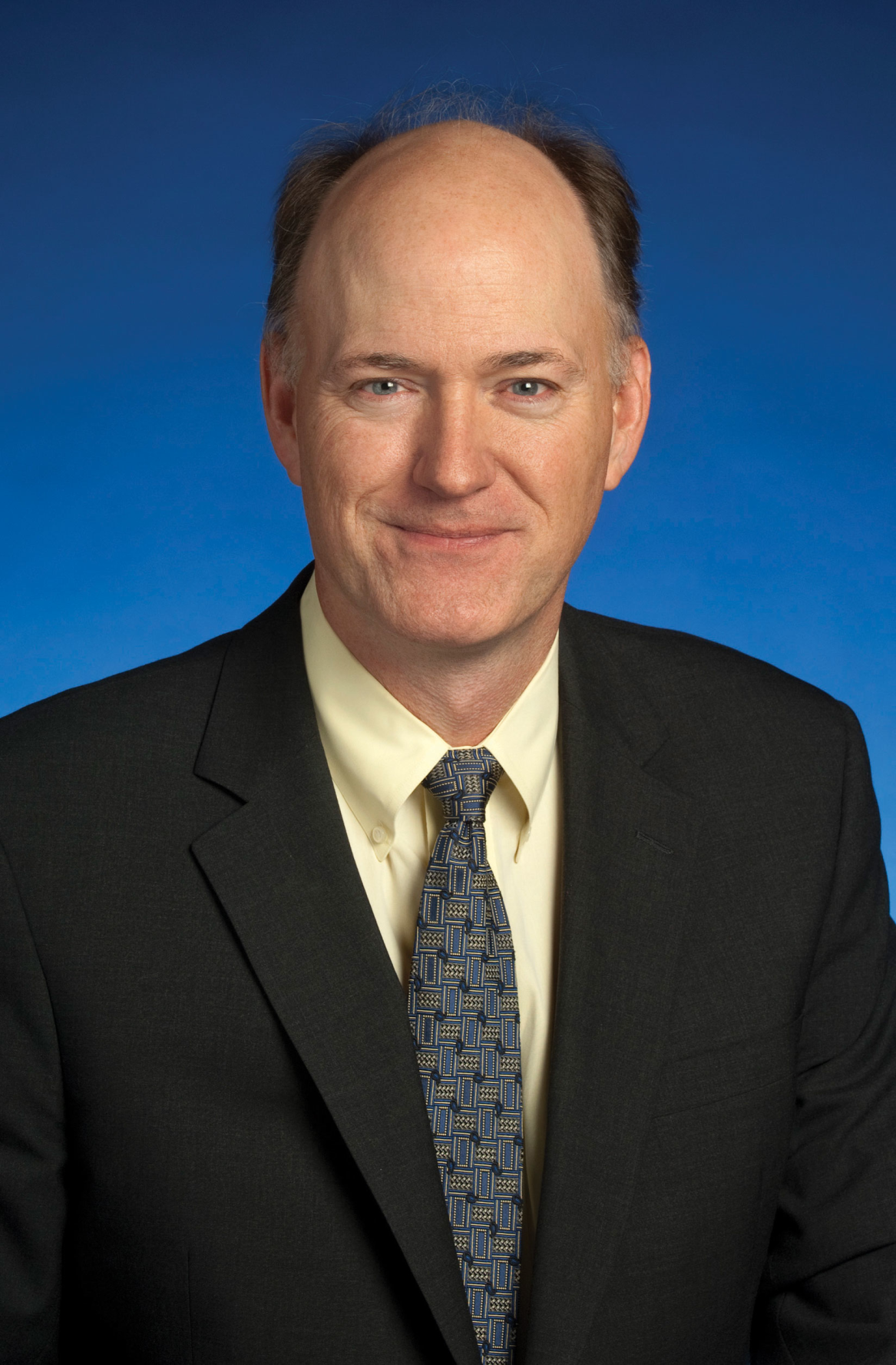
Sen. Steve Dickerson
Dickerson likens himself to a bridge between the mostly Democratic Nashville delegation and the Republican majority, either by serving as Senate sponsor for House bills brought by his Nashville colleagues or negotiating with his Republican colleagues on issues that affect the city.
“To the extent that legislators outside Davidson County want to come in and pre-empt the will of the voters of Davidson County, my natural inclination is to do what I can to stand with Davidson County,” Dickerson says.
He’s specifically referencing chatter among some Republicans that they could consider legislation in response to Nashville’s vote this year to establish a community oversight board to monitor and advise the police department. Though Dickerson says he has not fully studied the COB, “the general principle of letting Nashville determine its own course is very important to me.”
Lamberth, until recently the chair of the House Criminal Justice Committee, says he was “mildly surprised” that Nashville voters supported the community oversight charter amendment, which will create a civilian body with the power to review police actions. He points to the police chain of command, district attorneys and the Tennessee Bureau of Investigation as existing layers of authority over police misconduct.
“We’ll be watching closely to see how they form this board, [and] what the mechanisms of it are. And it may or may not be something that takes state intervention,” Lamberth says. “At the same time, if that’s what Nashvillians want, obviously we’re not going to stand in the way of that. But we want to make sure that there is a system where [the rights of] both citizens and officers who serve them ... are preserved.”
Even if Republicans and Democrats (plus Dickerson) argue over Nashville’s community oversight board, the two parties have the potential to work together on a number of bills. Several themes kept re-emerging in conversations with legislators, observers and aides from both parties — and many of them overlap with Governor-elect Bill Lee’s campaign talking points. (The Lee transition team declined to make staffers available for interviews.)
Lee and members of both parties in the legislature support various definitions of criminal justice reform, boosting vocational and technical education and addressing in some manner the opioid epidemic.
“I have always been open to, and will continue to be, whatever ideas [Democrats] bring to the table,” Lamberth says. “Issues like criminal justice reform or making sure we have a good business climate, good strong jobs, good schools … we may come at it from different perspectives, but those goals are the same.”
Democrats and Dickerson are already discussing legislation to restore voting rights to many felons. Members of both parties, including Lee, may address prisoner re-entry programs and sentencing reform. Democrats will again try to expand Medicaid, though their chances will dim further when their biggest Republican ally, outgoing Gov. Bill Haslam, is succeeded by Lee, who actively campaigned against the idea. Dickerson will again try to pass a medical marijuana bill (for the first time, he puts his chances north of 50 percent) and will introduce a “red flag” gun-control bill that he will have to sell to his Republican colleagues. Sports gambling is already on the docket, and any number of seemingly tertiary windmill-tilting contests are sure to sprout up.
On education, observers are trying to predict whether Lee will follow through on campaign rhetoric and back private-school vouchers. Beth Brown, a Grundy County teacher who is president of the Tennessee Education Association, sees the potential for common ground with Lee, whom she has not yet met. She cites his proclaimed support for rural areas, his skepticism of reliance on standardized tests and his support for vocational and technical education. But she and the TEA remain absolutely opposed to vouchers.
“I’m hopeful that Governor-elect Lee will fulfill some of the promises that he made on the campaign trail when he talked about wanting to listen to educators,” Brown says. “I think this is an area where we have some really valuable information and insight that we can give him. We have some common ground here.”
And yet most important, says Gerald McCormick, is the state budget, Lee’s first in his first government post.
“It’s not the sexiest one, but it’s the most important one, and the one that the [Tennessee] Constitution says must be addressed,” says McCormick, a former House majority leader and budget chair who resigned last year for a job with lobbying firm The Ingram Group. “There will be a learning curve there. That’s probably the most complicated issue we face.”
Lee has never written a government budget, and neither has his pick for finance commissioner, businessman Stuart McWhorter. The House lost McCormick and Rep. Charles Sargent, another experienced budget hand, who died this year. But observers point to ongoing cooperation between Lee’s transition team and the outgoing Haslam administration as a sign of stability.
In politics, predictions are hardly worth the paper on which they’re written. It’s even harder with so many new faces, including more than two dozen new lawmakers who have made campaign promises but never taken a vote in the Capitol.
Will they lean on legislative leadership, follow the governor’s lead or make their own way? The governor will also be learning on the job, albeit with a team of experienced legislative hands.
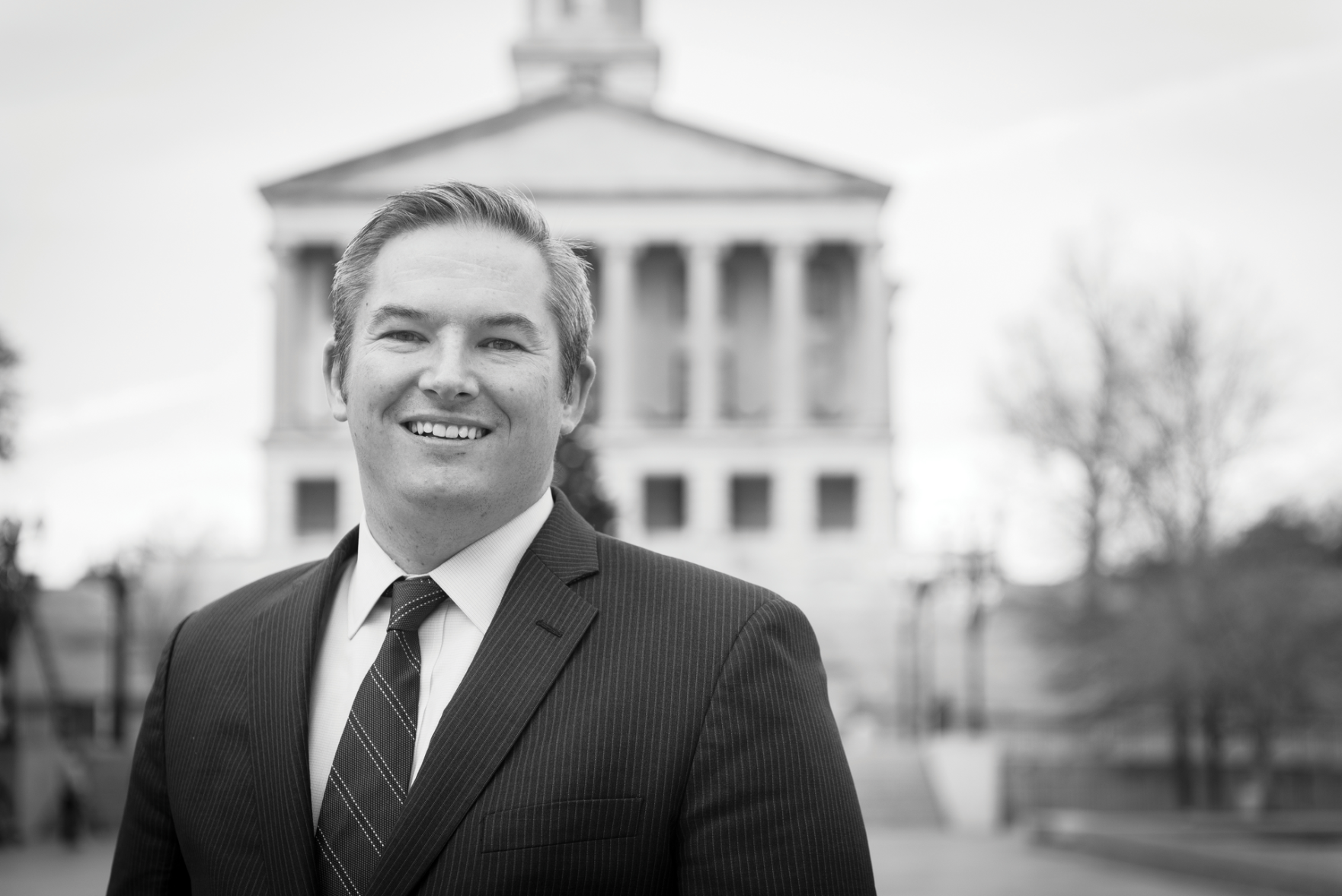
Sen. Jeff Yarbro
Yarbro, the newly minted leader of the supposedly re-energized Senate Democrats, looks to all that inexperience for hope.
“Bill Lee is an incoming governor with a blank slate,” Yarbro says. “It is unclear to me what his priorities are or his positions on numerous issues or his plans for how to be governor. I’m a Democrat in a five-person minority in Tennessee. I always have hope.”
McCormick, the former House majority leader, remembers a time when Republicans were not in power. Though Lamberth and every GOP legislator elected since 2012 have only ever served in a super-majority, McCormick and other Republicans of his generation entered the legislature out of power — and that era wasn’t all that long ago. He has some advice for Yarbro, Camper and the rest of the Democrats.
“First of all, you want to take care of your constituents, your district, and to do that, you need to have a good relationship with the people who have the votes,” McCormick says. “You also need to stand by your principles, and when necessary fight and argue with the other side. … You need to hold the majority party accountable for what they do, and make sure they pay a political price if they do the wrong thing. That’s a healthy thing.”




