
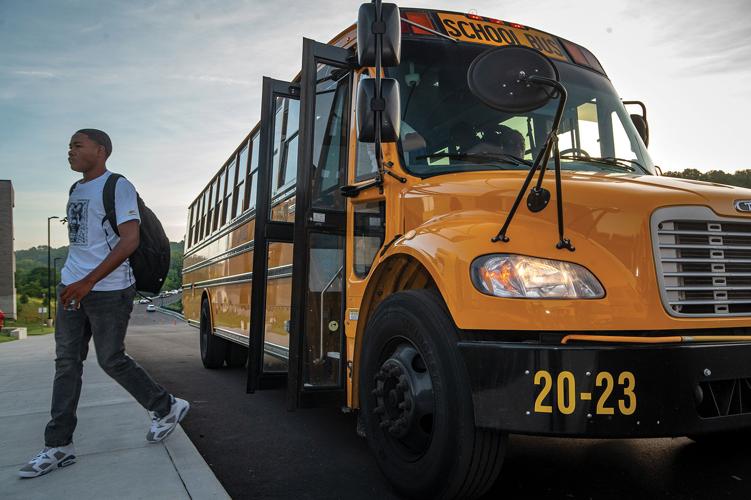
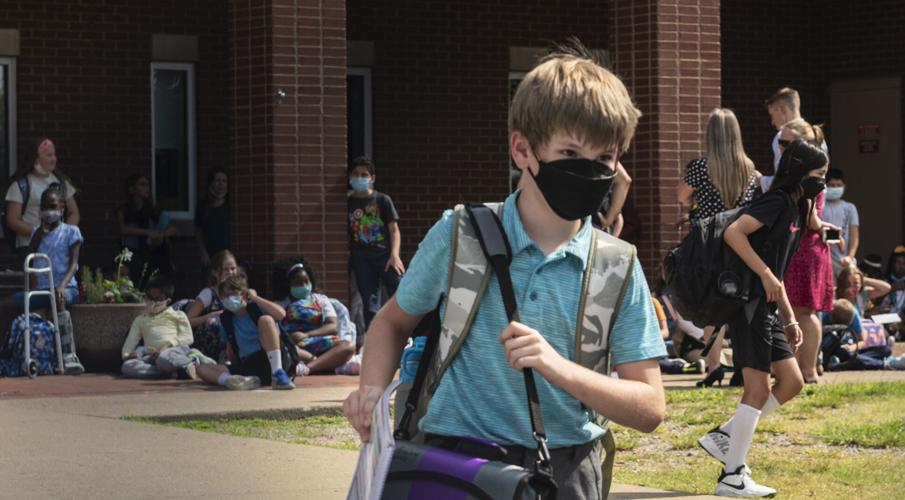


The days of school mask mandates, virtual learning and contentious COVID-19-centered debates are behind us — even if the virus itself isn’t. Apart from some students and staff still masking, this school year there aren’t many visible signs of the pandemic that thoroughly scrambled the education sector just a few years ago. Nonetheless, many of its lasting effects still permeate the public school system.
Metro Nashville Public Schools no longer reports COVID case numbers, limits school visitors or requires students to quarantine after close contact with someone who has COVID (as long as the student tests negative). Those who do test positive for COVID must isolate for five days after the first symptoms or a positive test result, and may return when symptoms have subsided and it’s been at least 24 hours since a fever has subsided without the use of medication. If symptoms persist, caregivers should contact students’ school nurses.
In September, the state of Tennessee experienced an uptick in COVID hospitalizations, with 344 hospitalizations reported on Sept. 19 alone. Because Tennessee’s designated COVID-related state of emergency has expired, cases are no longer tracked at the community level. School COVID cases and statewide hospitalizations are significantly lower than they were during the height of the pandemic — around this time in 2020, there were more than 700 hospitalizations on a given day. An MNPS spokesperson tells the Scene that 60 students and 19 staff members were confirmed positive between Sept. 4 and 19, though that number could be higher due to unreported cases.
“It does not seem as prevalent this year as it did last year,” says Apollo Middle School teacher Paige La Grone Babcock, though she says she often hears of students and teachers contracting COVID across the district. She compares it to other illnesses like the flu and strep throat, but stresses that caretakers should keep sick students home so they don’t spread any illness. When teachers get sick and miss several days at a time, it can stunt students’ academic progress — still a delicate issue given the pandemic’s lasting negative impact on student progress. While MNPS has sought to address teacher and substitute teachers shortages, including through a new model that relies on building-specific subs to fill in as needed, schools still struggle with staffing, and La Grone Babcock notes that subs aren’t trained as well in pedagogy or classroom management.

Anti-vaccination sentiments could also present future problems. As recently reported by Hannah Herner at our sister publication the Nashville Post, there has been a recent decline in kindergarten vaccination rates. During the last school year, 92.5 percent of kindergarteners were fully vaccinated in Davidson County — a figure that falls short of the 95 percent threshold medical professionals cite as the figure needed to curb infectious diseases from spreading across entire communities.
Because of the pandemic, students have lost loved ones, experienced social isolation and fallen behind on academics. This is particularly true for students of color and those from low-income households. Further, families of students who entered the school system during the pandemic are now contending with legislation that could retain third- and fourth-graders who don’t perform well enough on standardized tests, which has added even more stress to elementary schools.
MNPS has used federal COVID relief funds to mitigate many pandemic-related issues, from investing in mental health initiatives to adding academic supports like tutoring, providing free meals and upgrading buildings and technical infrastructure. The district has until July to utilize about $195 million of remaining funds, but must avoid funneling them into recurring costs that may not be supported when they run out. Even as case numbers decline and schools return to operating the way they did before COVID, MNPS and school districts across the country must continue responding to the challenges presented by the pandemic for years to come.
Beverly Whalen-Schmeller is a local school psychologist. Even though she isn’t as worried about COVID as she used to be, she still feels anxious about it, which may be a result of “residual trauma.” She’s noticed over the past couple of years a rise in suicidal ideation among students and overall stress levels among students and adults.
“We all are carrying more stress, because we just lived through a global traumatic experience, and that doesn’t happen very often,” says Whalen-Schmeller. “In our quest to feel normal again, I think we sometimes diminish how much of a strain that really is.”



Post a comment as anonymous
Report
Watch this discussion.
(0) comments
Welcome to the discussion.
Log In
Welcome to the discussion.
Keep it clean. Please avoid obscene, vulgar, lewd, racist or otherwise abusive language. Comments featuring hate speech or threatening or violent content will not be tolerated.
PLEASE TURN OFF YOUR CAPS LOCK.
Be truthful. Don't knowingly lie or mislead.
Be proactive. Use the “report” link on any comment that violates our comment policy.
Share with us. We'd love to hear your feedback.