
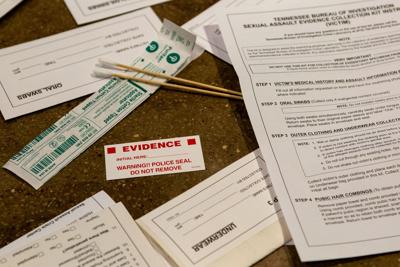

It’s important for a teen to have access to a rape kit without parental consent — because according to Nashville’s Sexual Assault Center, as many as 90 percent of offenders are known to the victim.
House Bill 679/Senate Bill 920 makes it clear that victims ages 14 and up can seek a rape kit — a package designed for gathering physical evidence following a sexual assault — without parental consent. The legislation is now on the way to the governor’s desk with bipartisan support.
“[The perpetrators] are people of power, they could be family members,” bill sponsor Rep. Bob Freeman (D-Nashville) said in a recent committee meeting. (Disclosure: Freeman also owns Scene parent company FW Publishing, though he does not have editorial oversight regarding what the Scene publishes.) “To ask a minor to go in front of the person who could have very likely been the perpetrator of this crime and ask for permission and/or a person of power in their community to ask for permission removes their ability to get real justice.”

Trauma-informed care is at the forefront at five locations in Nashville
The new legislation is a direct response to confusion caused by “The Family Rights and Responsibilities Act,” a Tennessee law that went into effect July 2024. Under the 2024 law, Tennessee public health clinics can no longer give teens ages 14 and up access to care including birth control, sexually transmitted infection treatment and pregnancy testing without parental consent. The law also requires health care providers to obtain parental consent before offering counseling or psychological services.
While the law did not explicitly mention rape kits, Knoxville’s Sexual Assault Center of East Tennessee was advised by its lawyers not to provide the exams to minors, and even had to turn away at least one teen.
Nashville’s Sexual Assault Center — which is not affiliated with the Sexual Assault Center of East Tennessee — brought the bill, says Rachel Freeman, president of Sexual Assault Center (and wife of Bob Freeman). She says access to rape kits for Tennesseans has improved significantly since the center opened in 2018. (Before then, only Nashville General Hospital offered them, but other hospitals have since begun providing the service.) The number of rape kits completed in the city has more than doubled during her tenure, from 160 in 2018 to 376 in 2025.
Even so, it has taken years for rape kits’ lengthy processing times to lessen. When the SAC first opened, Rachel Freeman remembers telling patients it would take 18 months to two years for law enforcement to process the tests. In 2022, rape kit processing took up to 45 weeks, and prompted additional hires at the Tennessee Bureau of Investigation. As of Jan. 31 of this year, Nashville has an average of 8.9 weeks turnaround time, according to the TBI. Another win for the Sexual Assault Center was a bill that required the implementation of a sexual assault kit tracking website in 2022.

The bureau aims to fill 25 positions and play catch-up on sexual assault kits that still await testing
“We have seen a significant decrease in processing time of rape kits, not only in our city, but across our state,” Rachel says. “And that’s something that a lot of people have worked really hard on, and we should be proud of, that we’ve come a long way.”
The Sexual Assault Center also works on preventative measures, including the Safe Bar program, which trains bar and restaurant employees in preventing sexual assault. Another bill co-sponsored by Rep. Freeman and introduced in the Tennessee General Assembly this year would make drugging a person a felony. As the law currently stands, a person can be prosecuted only if there’s another crime in addition to the drugging.
“There’s still more sexual assaults happening than should ever happen, and I think it would be fantastic if we continue to pivot our attention and resources to prevention, so that we can not just focus on reacting, but how can we be more proactive and stop this crime,” Rachel says. “That’s our next big goal at the Sexual Assault Center.”



Post a comment as anonymous
Report
Watch this discussion.
(0) comments
Welcome to the discussion.
Log In
Welcome to the discussion.
Keep it clean. Please avoid obscene, vulgar, lewd, racist or otherwise abusive language. Comments featuring hate speech or threatening or violent content will not be tolerated.
PLEASE TURN OFF YOUR CAPS LOCK.
Be truthful. Don't knowingly lie or mislead.
Be proactive. Use the “report” link on any comment that violates our comment policy.
Share with us. We'd love to hear your feedback.