


It’s no secret that the COVID-19 pandemic has hit some communities harder than others. People of color have seen higher rates of infection than white folks, while the disease is even more life-threatening to the elderly and people with medical conditions like diabetes or immune deficiencies. Now that the vaccine is rolling out, Nashville officials, safety-net health care providers and community leaders are ensuring that the people hit hardest by the pandemic have a fair chance of accessing the city’s supply of doses.
“It’s really important that we have a tailored plan for these special populations or these different groups, because not everybody has the same ability to engage with the existing health care system or public health system,” says Leslie Waller, an epidemiologist with the Metro Public Health Department.
Nashville’s special-populations plan focuses on Black communities, immigrants, people experiencing homelessness and other people vulnerable to the spread of COVID-19. Waller says that, among other efforts, the health department has hosted virtual town halls with community leaders and worked on translating health information into languages like Spanish, Somali and Kurdish.
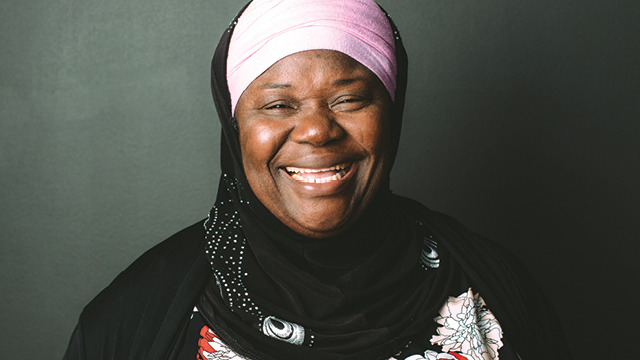
Councilmember Zulfat Suara
“If you want to reach the community, it’s better to go to where they are,” says Metro Councilmember Zulfat Suara. “And it’s better to go with organizations that are already on the ground that have made the community connection and that the people trust.”
Suara says the recently opened downtown vaccination point at the Music City Center is helpful, but she hopes to see more locations throughout the city — accessible in the same neighborhoods with high concentrations of people of color and immigrants. Waller says that is indeed the plan. While the timeline is tentative, the city hopes to establish vaccination events in sites identified by community partners — “whether that’s a religious institution, a community center or something completely mobile and temporary,” says Waller.
When that effort begins ultimately depends on the city’s limited vaccine supply, Waller says, noting that the city began vaccinating the 70-and-older population and public schools teachers on Feb. 12.
Sabina Mohyuddin of the American Muslim Advisory Council is one of the community leaders spreading information and eyeing potential vaccination sites. Mohyuddin says she hasn’t registered many people from the Muslim community over the age of 75 — the Muslim population in Nashville seems to skew younger, she says — but she is working with neighborhood clinics to get people onto waitlists for the vaccine. Mohyuddin has also helped with education efforts, since many rumors and misunderstandings about the vaccine have been spreading.
Mohyuddin says she hopes to see some local mosques host vaccination events. “If that mosque leadership allows the vaccination at their mosque, then [people may think], ‘Maybe that’s something I should get.’ ”
Brian Haile of community health care provider Neighborhood Health notes that public education will be important, but he believes that “the real limiting factor for getting shots in arms [for] communities of color is access.”
“We’ve got to get ... more vaccines in public health clinics in the community health centers,” Haile says.
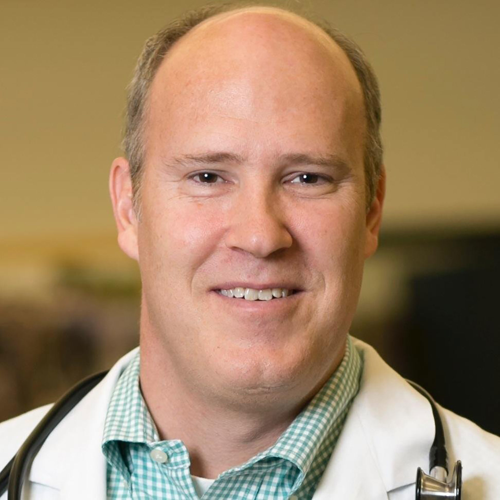
“Safety-net providers in Middle Tennessee have been caring for those without insurance or with other barriers to care for several decades,” says Dr. Morgan Wills, president and CEO of volunteer-supported health care clinic Siloam Health.

Dr. Morgan Wills
Siloam works closely with the immigrant community — about 90 percent of the community health provider’s patients are from countries outside the U.S. Partners in outreach efforts include groups like Conexión Américas and the Tennessee Immigrant and Refugee Rights Coalition, which help with translation services among other outreach efforts.
While supplies are limited, Wills commends state and Metro officials for ensuring community health centers received enough doses, saying Siloam has “adequate supply for our existing patients who meet the age criteria.” But he also echoes calls to broaden access as a key element to reaching underserved communities.
Metro’s public transit department has also gotten involved. For the past few Saturdays, WeGo has shuttled folks age 75 and older to vaccination appointments using Access, its paratransit service, partnering with the public health department, Metropolitan Development and Housing Agency and Neighborhood Health. A spokesperson with WeGo says that as of Feb. 13, the agency has given nine rides to public health department appointments and 31 rides to public housing residents going to appointments at Neighborhood Health.
In a tweet last week, Mayor John Cooper said half the city’s 75-and-older population has received at least one dose of the vaccine. But as of Feb. 11, the rates of vaccination don’t yet reflect the city’s demographics. For example, African Americans account for 27 percent of Nashville’s population but just 13 percent of those who have been vaccinated. There’s also a gap for Hispanics — 10 percent of the population and 2 percent of all vaccinations. The average age of some populations may account for some of the differences — Latinos are typically a younger demographic in Tennessee — but Waller notes that the city wants to get the vaccine to everyone who’s eligible, whether it’s a small group of people or not.
As of Feb. 11, private hospital Vanderbilt University Medical Center posts the highest number of vaccinations at 55,000. Initially hospitals were only allowed to vaccinate their existing patient population, as well as hospital employees. Then in late January, the state told hospitals to offer vaccines to the wider community — while also shifting the supply of doses to public health departments. Some hospitals slowed vaccination efforts after the rule change, but the Tennessee Hospital Association said it was due to a dwindling vaccine supply.
Also according to city data, 9.3 percent of Davidson County residents have received the first dose, and 4.7 percent are fully vaccinated. More than 126,000 vaccinations have been conducted in Nashville.



