
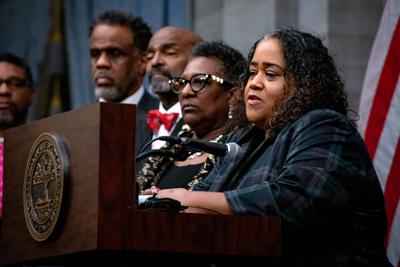

Amid debates about immigration, LGBTQ rights and education vouchers, criminal justice reform is not always the most hot-button issue at the Tennessee General Assembly. But as bills related to law enforcement, sentencing and jails are discussed in committees, there are rare glimpses of bipartisanship — as well as intraparty debate.
From bail and body cameras to prison reform and criminal records, here are several pieces of legislation to watch in the coming weeks as they make their way through various committees.
Criminal Records
House Bill 2232/Senate Bill 2380, sponsored by Rep. Vincent Dixie (D-Nashville) and Sen. Raumesh Akbari (D-Memphis), would allow the criminal records of a person who has committed a misdemeanor to be sealed after they complete their sentence and at least five years without being convicted of a new offense. The bill would exclude those who have been convicted of domestic assault or driving under the influence from having their records sealed.
Bail
Sen. Brent Taylor (R-Memphis) and Rep. Charlie Baum (R-Murfreesboro) are pushing legislation that puts a cap on the amount of bail provided by organizations or entities in a year. HB 1450/SB 1708 would prohibit entities other than a defendant’s family members, their employer or a professional bondsman from posting bail for more than three people in a calendar year, or for a single defendant more than one time per calendar year.

McNally to retire, THP responds to ICE investigation, Senate advances bill on suicide rulings
“What this is getting at is to prevent the gangbangers from showing up and bailing their compatriot out of jail and going right back out and committing additional crimes,” Taylor said in a February committee meeting. Democrats, however, argue that the legislation would limit the ability of churches and other community organizations to provide aid.
Body Cameras
Sen. Tom Hatcher (R-Maryville) is pushing HB 1718/SB 1820, which could be the first step in equipping correctional officers in Tennessee prisons with body cameras. The legislation would require the Tennessee Department of Correction to study the cost of running a pilot program with the cameras at Trousdale Turner Correctional Facility — known for being among the state’s most dangerous prisons — and report its findings to the General Assembly by July.
The bill hasn’t made much progress since it was introduced in January, and TDOC Commissioner Frank Strada has said it would be too expensive for the state to implement body cameras in all of Tennessee’s prisons. Strada is instead pushing for drone detection technology with a $1.7 million price tag.
Akbari is the Senate sponsor on HB 2436/SB 1976, which would require all law enforcement agencies using body cameras to adopt written policies for the use of the technology.
Families of Incarcerated
Committees will soon consider HB 2111/SB 2531 from Hatcher and Rep. Clark Boyd (R-Lebanon). The legislation would create a family advisory board within TDOC in an effort to increase communication with people who are inside — legislation that has been pushed for by families of incarcerated people.
Rep. Harold Love (D-Nashville) is sponsoring the “Proximity Placement and Family Visitation Incentive Act” (HB 674/SB1159), which would allow eligible incarcerated people the ability to transfer to correctional facilities closer to their families.



Post a comment as anonymous
Report
Watch this discussion.
(0) comments
Welcome to the discussion.
Log In
Welcome to the discussion.
Keep it clean. Please avoid obscene, vulgar, lewd, racist or otherwise abusive language. Comments featuring hate speech or threatening or violent content will not be tolerated.
PLEASE TURN OFF YOUR CAPS LOCK.
Be truthful. Don't knowingly lie or mislead.
Be proactive. Use the “report” link on any comment that violates our comment policy.
Share with us. We'd love to hear your feedback.