
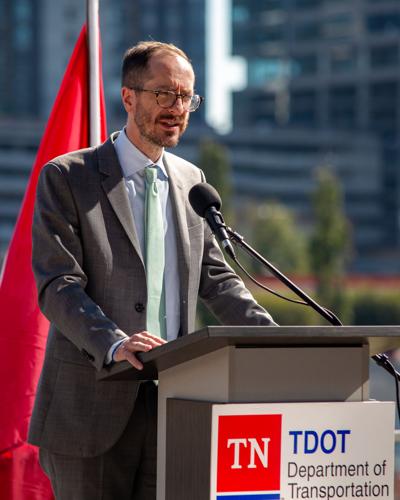

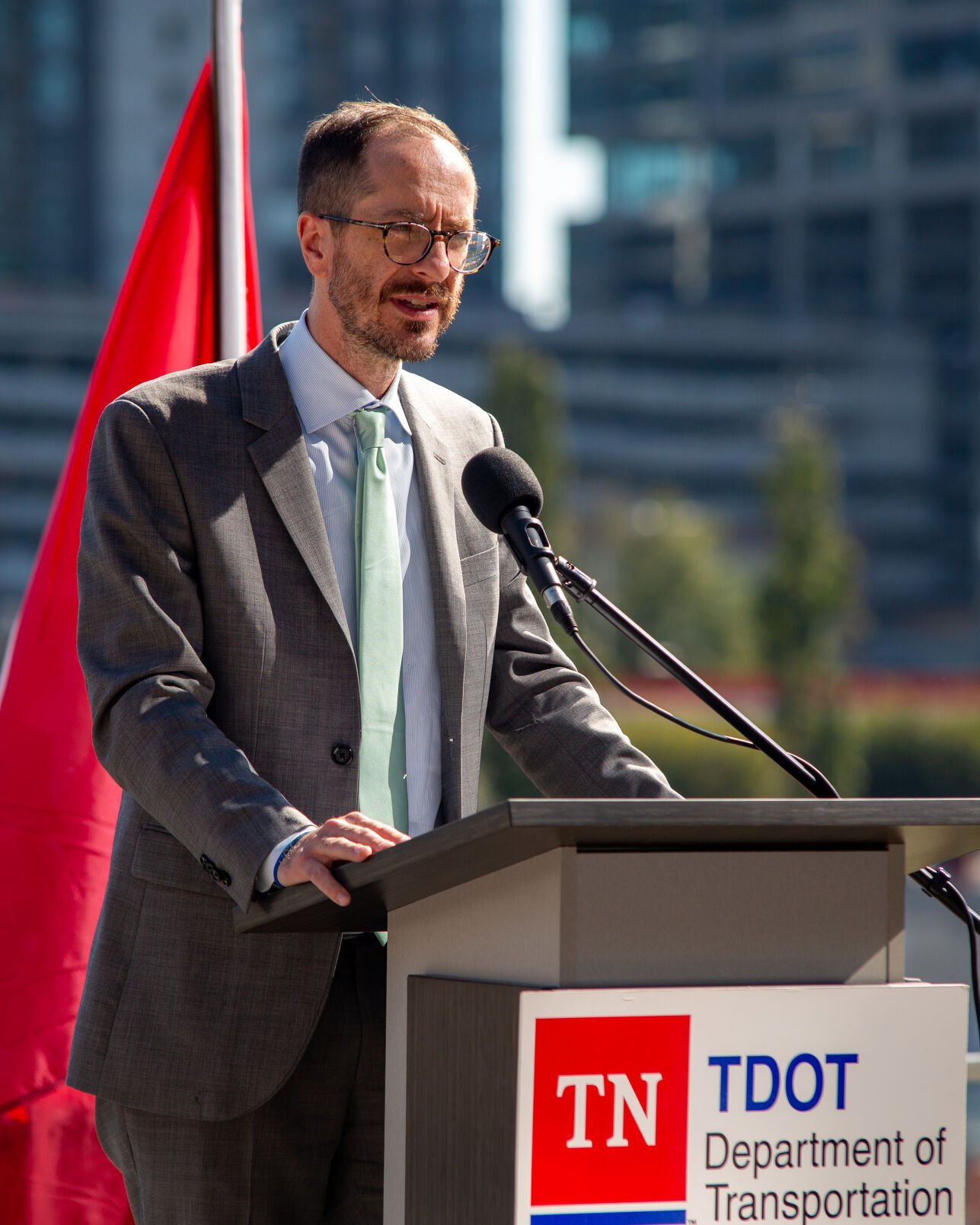
Freddie O'Connell
Nashville is at a critical juncture with Mayor Freddie O’Connell at the helm, steering the city toward a future shaped by thoughtful policies and strategic vision. As our new mayor assembles his team, the city anticipates a shift in how key issues such as public transit, education, affordable housing and urban development will be addressed.
O’Connell’s clear campaign priorities reflect a commitment to progress without embracing anti-growth sentiments.
Amid the anticipation of increased investment and population influx, O’Connell’s rallying cry and popular campaign slogan “I want you to stay” resonates with many Nashvillians who have felt their priorities misaligned with the city’s governance. The anticipated update to the NashvilleNext general plan in 2024 signals an opportunity for the mayor, the Metro Council and the city’s residents to shape Nashville’s growth trajectory collectively.
While the prospect of limiting growth is a concern for some, acknowledging the inherent challenges, O’Connell recognizes the importance of guiding Nashville’s expansion intelligently. A growing city is an economic powerhouse, but uncontrolled growth can lead to adverse consequences. Striking a balance is paramount, ensuring that Nashville evolves without sacrificing its unique character.
The evolution of Nashville’s real estate market underscores the need for adaptive strategies, as noted in a recent op-ed from The Tennessean. Historic buildings, once governed by outdated codes, are now subject to reevaluation. And Nashville’s response to the housing need has been an emphasis on increasing density, particularly in the city center. But this approach has sparked debates at numerous neighborhood meetings, where residents express conceptual support for housing expansion but fear denser developments encroaching on single-family homes. This debate is not unique to Nashville, as various and comparable cities grapple with similar challenges.
How will Mayor O’Connell address the affordable housing issue? How will Nashville find continued growth and development while preserving historical assets and maintaining the uniqueness of our city? The expected update of NashvilleNext could provide a timely platform for some crucial discussions involving this issue and the handful of others he considers priorities.
Mayor O’Connell’s proactive approach to governance has already become clear through the policy road maps presented by his transition committees. These committees include community leaders and even former mayoral candidates. Since being appointed, they have delved into the intricacies of three vital aspects: How Nashville Moves, How Nashville Works and How Nashville Grows.
How Nashville Moves addresses Nashville’s transit system. Ours was recently named the worst commuter city by Forbes, proving why it’s a central piece of O’Connell’s agenda. A proposed transit referendum coinciding with next year’s presidential election is a strategic move and would garner maximum public engagement. Learning from Nashville’s 2018 referendum failure, the mayor is placing an emphasis on transparency and community involvement — a wise and invaluable move for securing public support.
The How Nashville Works committee, focusing on foundational fixes, aligns with O’Connell’s commitment to address longstanding issues such as Metro’s customer service. As the Nashville Banner recently reported: “The committee’s recommendations are directly targeted at the systems most visible to Nashvillians: reporting a pothole on your street, streamlining payment services and creating a community safety plan. The idea is that larger projects like the East Bank and a transit referendum could be more doable by getting these things right and creating a system that can accomplish these things smoothly.”
The East Bank has emerged as a focal point for developmental aspirations. The committee’s recommendations for How Nashville Grows center on transparency, communication of infrastructure costs and prioritizing affordable housing over revenue maximization. Recognizing Metro’s historical challenge of executing plans, the committee advocates for a dedicated team to coordinate plan implementation — an idea that resonates with O’Connell’s commitment to dusting off shelved plans and ensuring their realization.
Nashville stands on the brink of positive transformation, guided by Mayor Freddie O’Connell’s vision and the comprehensive road maps outlined by his transition committees. The city’s future hinges on fostering growth without compromising its essence. As Nashvillians brace for discussions on density, development and preservation, the commitment to transparency, trust-building and strategic implementation laid out by Mayor O’Connell and his committees provides a hopeful blueprint for a thriving and harmonious Nashville.
Bill Freeman
Bill Freeman is the owner of FW Publishing, the publishing company that produces the Nashville Scene, Nfocus, the Nashville Post, and The News.



