


As Nashville continues to grow, so do our options for getting a great cup of coffee. And one way to differentiate the growing number of establishments competing for your java dollar is by looking at the array of unique coffee drinks on each menu. We've seen everything from confectionery concoctions whose ingredients closely resemble a recipe for pie to tangy, refreshing offerings that bring to mind a classic soda fountain. But where do all these drinks come from? Long-cherished secret family recipes? Scientific test kitchens? The teachings of a hermit who descends from Love Circle once a year in a cloud of pumpkin spice?
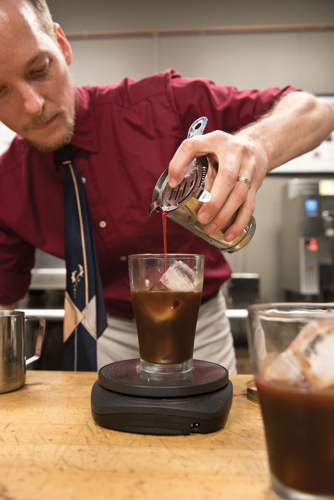
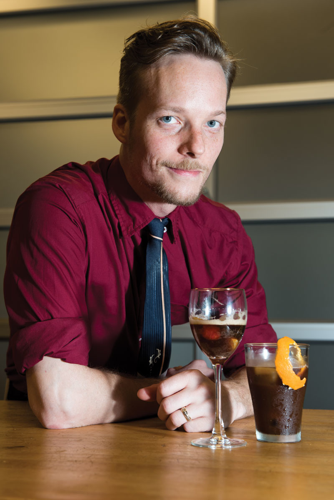
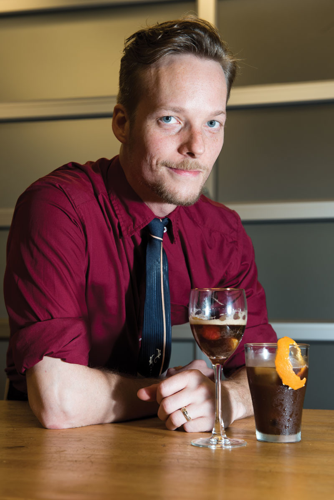
On the menu at Bongo East, Bongo Java's satellite location in Five Points, you'll find one of the aforementioned refreshing creations called In Bloom, an iced Americano flavored with grapefruit and topped with whipped cream. At first, you first taste the coffee, but then comes a flowery grapefruit zip that mellows as the dollop of whipped cream melts down into the drink. For some insight on how it (and other tasty Bongo Java drinks) were born, the Scene sat down with In Bloom's creator, Dillon Smith.
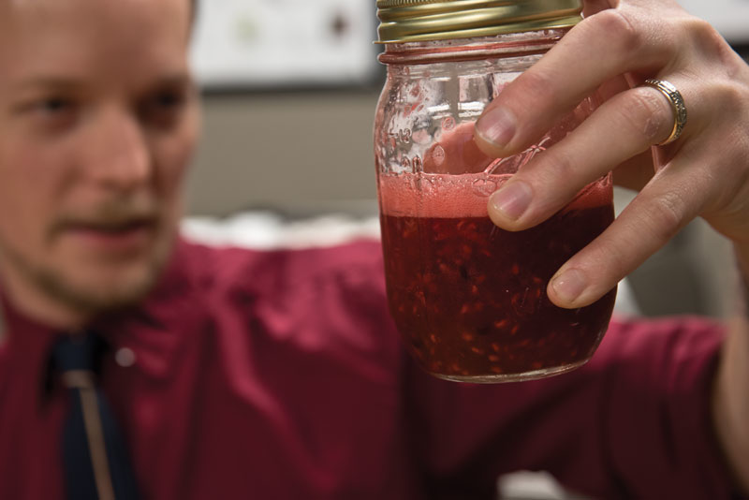
"We were using a really amazing coffee in our espresso that made everything taste like dark chocolate and grapefruit," Smith explains, noting this is In Bloom's second year on the menu. "I wanted to create a drink that focused on those flavors, so that the coffee could still be forward. I added grapefruit essential oil to cut to the chase. The original version had just a little bit of lavender in it as well, which highlights the taste of chocolate in coffee."
In eight years as a barista, five of which have been with Bongo, Smith has risen through the ranks to become barista manager of Bongo World, meaning the barista managers who oversee coffee production at all six of the company's cafes report to him. But he didn't just use his authority to chalk In Bloom on the menu board one day — he had to fight for it.
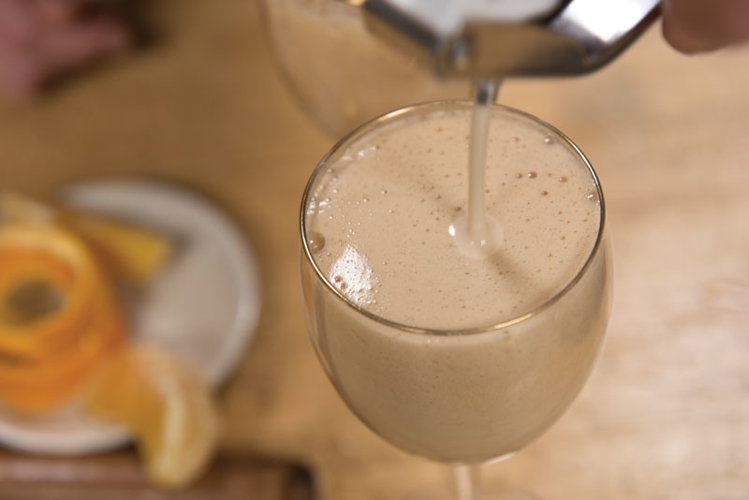
For the past four years, Bongo has built up its catalog of signature drinks through seasonal competitions among its staff. Three times a year (Bongo treats spring and summer as one season) the whole company gathers to watch as each shop's barista manager faces off against three of his or her top baristas. In a timed routine, each contestant presents his or her original recipe for an espresso-based drink and prepares it for a panel of three judges. Drinks are scored on presentation, practicality (when you have a line out the door, you don't have 15 minutes to spend on a 10-ingredient science experiment), seasonal appropriateness and creative use of the espresso's flavor profile. Winning drinks are crowned at the end of the night, and appear on the menu at the designer's home cafe within three or four weeks.
Every season, Smith spends a little time each day for six weeks developing his recipe for the next contest. He's lost count of how many times one of his drinks has made the menu — eight or nine at least. It provides a great opportunity to connect with customers, who stand a good chance of being able to talk to the barista who came up with a drink before they buy it, but it also provides talented baristas a way to put themselves in the owners' shoes. "It teaches creativity and problem solving," Smith says. "How do I do this in my cafe? That sort of involvement encourages leadership in the future."
Jamie Cunningham, who recently left Bongo Java to found Steadfast Coffee in Germantown, started Bongo's signature drink program by modifying the rules of competition from the U.S. Barista Championship, one of the tournaments sanctioned by the Specialty Coffee Association of America, which sets standards for growing, roasting, brewing and serving specialty coffee.
The word "specialty" is a key factor that sets coffeehouses like Bongo apart. The coffee in your grocery store, "commodity coffee" in industry lingo, is grown and roasted to produce consistent flavor all over the world. "Specialty coffee," though, is hand-picked by farmers across the world's coffee-producing regions and separated into smaller and smaller lots. Each lot develops its complex flavor profile through the interaction of a dazzling variety of factors — the plant's genes, its growing environment and the method used to remove the flesh from the seed all have an impact. That's all before the beans are sold at auction, roasted and brewed.
"We just want [our drinks] to be the best presentation of these farmers' labor," says Smith. "They took all the special care that they could, and we could choose to ruin it all in 30 seconds. But instead, we take 40 seconds to make it amazing."
Email arts@nashvillescene.com



