

On July 31, Garth Brooks left Nissan Stadium in a way that the country megastar has seldom, if ever, left a venue where he was scheduled to perform: without playing a note. Before he was a household name, Brooks played intimate songwriter hangouts like The Bluebird Cafe and the now-shuttered The Sutler. In more recent years, whenever he isn’t touring around the world, he’s played special events at the Ryman or Ascend Amphitheater in addition to record-setting multi-night runs at Bridgestone Arena. Last year’s massive and much-anticipated stadium show, which promised to be Brooks’ biggest single concert yet in Nashville, was halted just a few minutes into the opening set — an abbreviated Grand Ole Opry performance — when severe thunderstorms rolled in.
The result was a stressful, frustrating night for fans, some of whom drove or flew a long way and waded through dense traffic to get inside — if they got in at all — only to have to scramble for shelter. For an added layer of unease, that concert also coincided with a spike in COVID cases in Nashville and around the U.S. linked to the Delta variant. The Nashville date was canceled, and within a couple of weeks, Brooks canceled the rest of his scheduled dates for the fall due to COVID safety concerns.
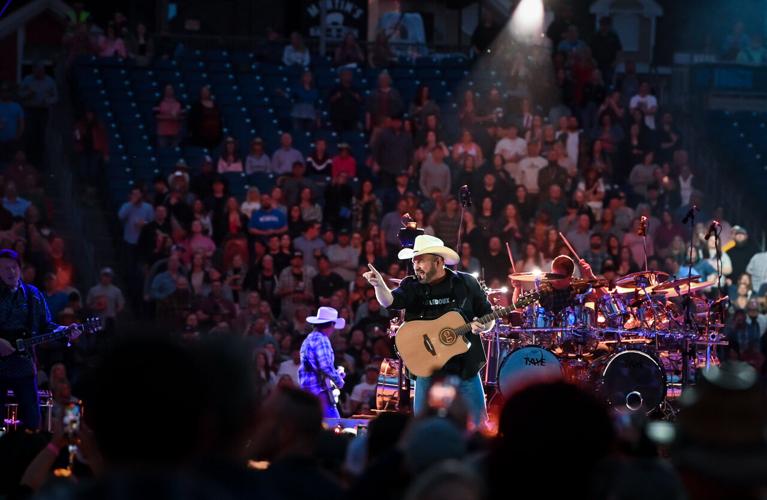
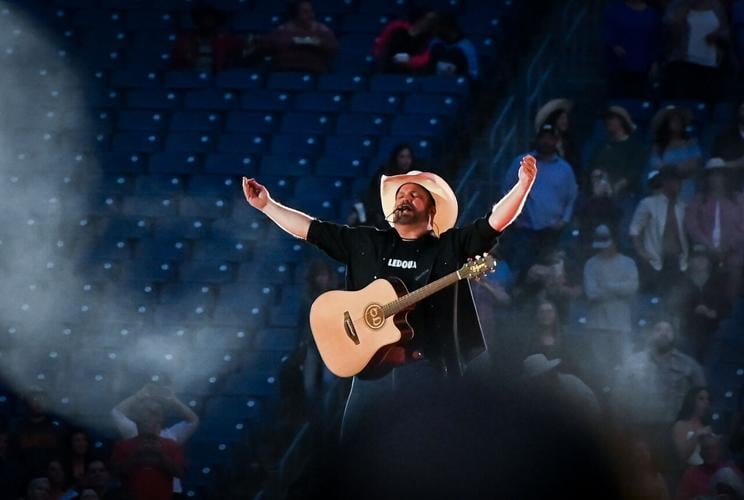
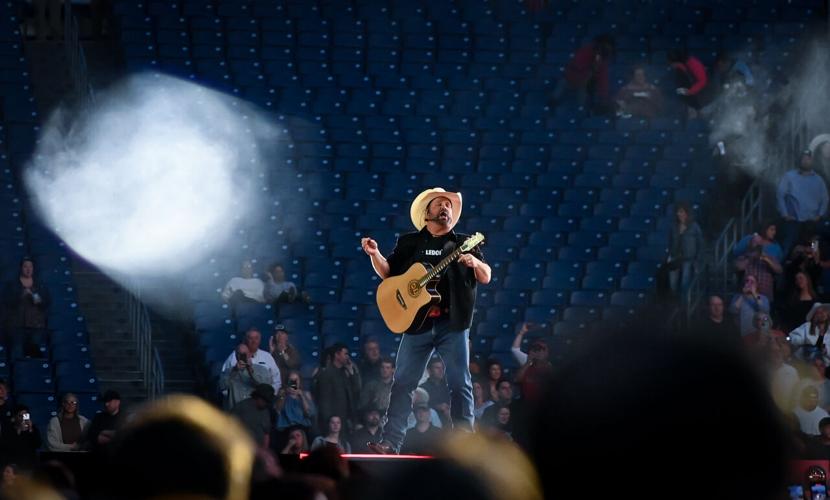
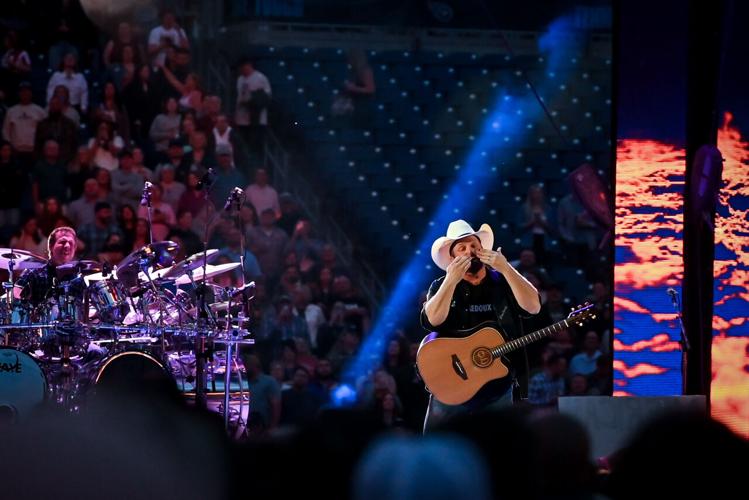
No artist would find this an easy situation to cope with, but Brooks appeared to take it especially hard. In the early ’90s, he earned a reputation for boundless, almost chaotic energy onstage — and above it, as he famously used special trapeze rigging to fly out over the crowd. Now, just a couple of months after his 60th birthday, Brooks’ fierce determination to impress is paired with a degree of emotional vulnerability that few artists dare to show. When he made his return to Nissan Stadium on Friday for the first of a two-night stand, he wanted to make sure the audience knew how much he appreciated the effort they put into giving him another shot.

“On behalf of the band, the crew and especially myself, thank you for coming back,” Brooks told the crowd just a few minutes into the show, as he let out a nervous chuckle. “I'm gonna be really honest — I wouldn't do it if I were you."
He also took a moment to address the black cloud that was both figuratively and literally hanging over the show. Thankfully, the forecast called for the potential thunderstorms to hold off for a few hours.
“Tonight is a special night — we're just gonna kind of fly off the rails," he said. “They say that there is a chance of rain … but I say we make a deal. If it rains on us tonight, it's because we're on song number 157!”
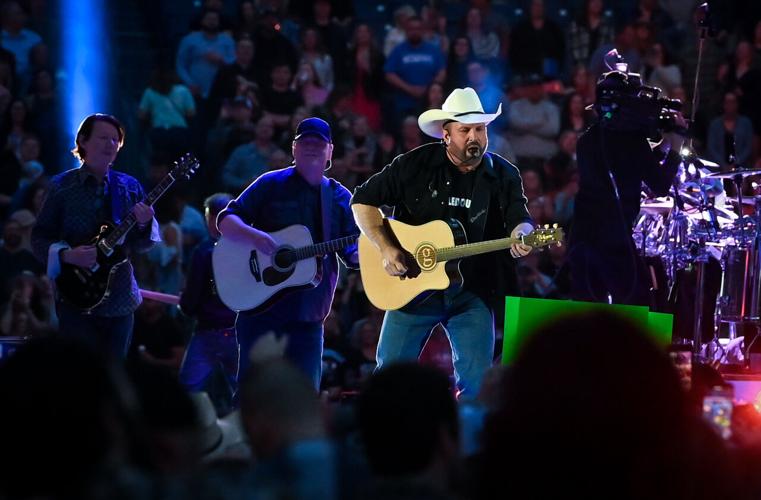
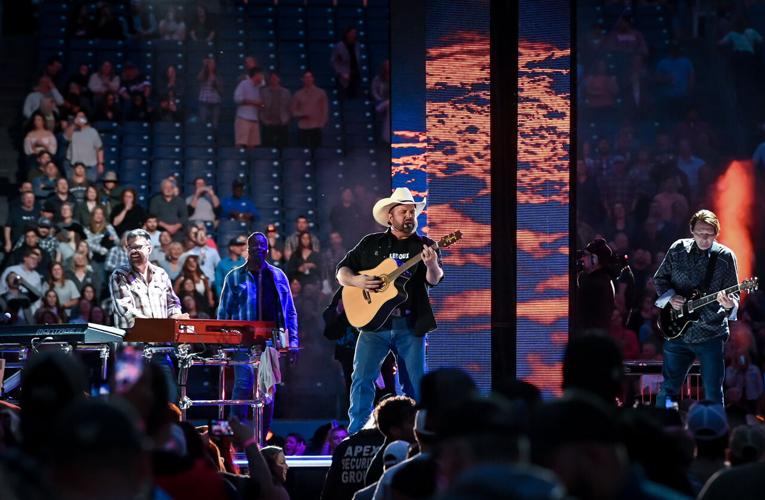
With more than three decades of performing behind him, Brooks knows what his fans want to hear. The bulk of the 27-song show was dedicated to his biggest hits and favorites from throughout his vast and varied catalog. He rolled and rocked his way through tunes like “Rodeo,” “Two of a Kind (Workin’ on a Full House)” and “Two Piña Coladas.” In between, he crooned moving ballads like “The River,” “If Tomorrow Never Comes” and his version of Bob Dylan's “Make You Feel My Love.”
“Thank you, God, for my life,” Brooks said after taking a pause to catch his breath. He may be getting older, but his determination remains unmatched. His stage, which is designed to give fans in all sections of the venue a good view, allows him to ping-pong from one corner to the next so he can take turns facing everyone.
Despite the massive space, the performance was decidedly intimate. Originally, Brooks had just one new date set for Nissan Stadium, on Saturday, April 16, but this Friday performance was added just two weeks ahead of time. While Saturday’s show filled the stadium, a deliberate choice was made to not sell tickets in the upper tiers for Friday, allowing more fans who didn't get to enjoy the full show in July to snag prime seats this time around. Brooks also teased another very special project: He’s recently acquired the Lower Broadway property that was once home to Paradise Park and later Downtown Sporting Club, and he will be opening a new bar on the site that will be called Friends in Low Places.

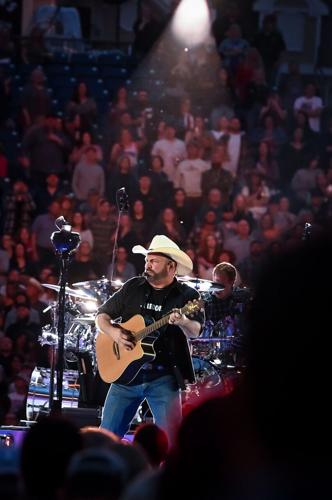
During his encore, Brooks returned to the stage with his acoustic guitar in hand to fulfill an unspoken agreement he's had with fans for years now. Concertgoers anxiously held up hand-lettered signs with messages and song requests, hoping to catch Brooks’ eye. He took a moment to sing snippets of tunes that don't normally make the set list, including “She's Every Woman” and “Ireland,” standouts from his eight-times platinum-certified LP Fresh Horses.
“I love playing Nashville [because] you know the singles and you know the deep cuts, too, man,” said Brooks with a megawatt grin.
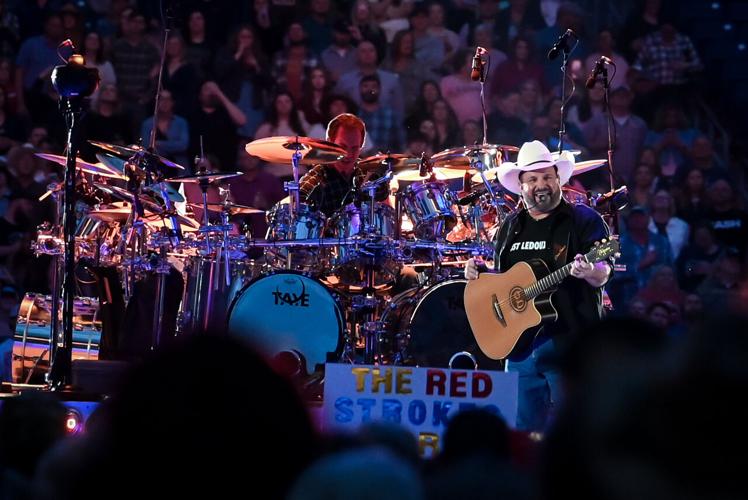
He also offered up brief takes on Billy Joel's classic “Piano Man” and George Strait's trademark number “Amarillo by Morning,” which featured the fiddle stylings of longtime bandmate Jimmy Mattingly. Trisha Yearwood, Brooks’ fellow country powerhouse and wife of 16 years, emerged to join him for a fan-requested rendition of “Shallow" from the 2018 version of A Star Is Born. After some flirty banter, Brooks encouraged Yearwood to perform her 1992 hit song “Walkaway Joe,” which he cited as one of his personal favorites.
Brooks, Yearwood and the band closed out the evening with “Standing Outside the Fire,” his anthemic hit from 1993’s In Pieces. As the crowd chanted the chorus — “Life is not tried / It is merely survived / If you're standing outside the fire" — it felt like a powerful collective declaration. There may have been some bumps along the way, but Brooks' determination led to a joyful, cathartic night that fans would remember for all the right reasons.
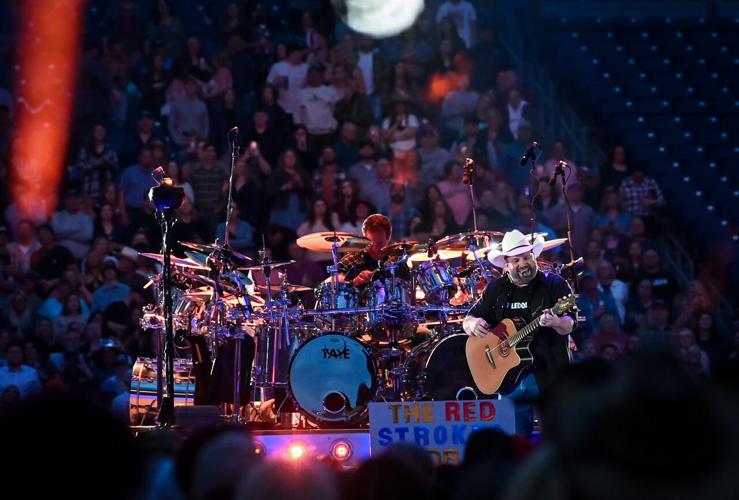
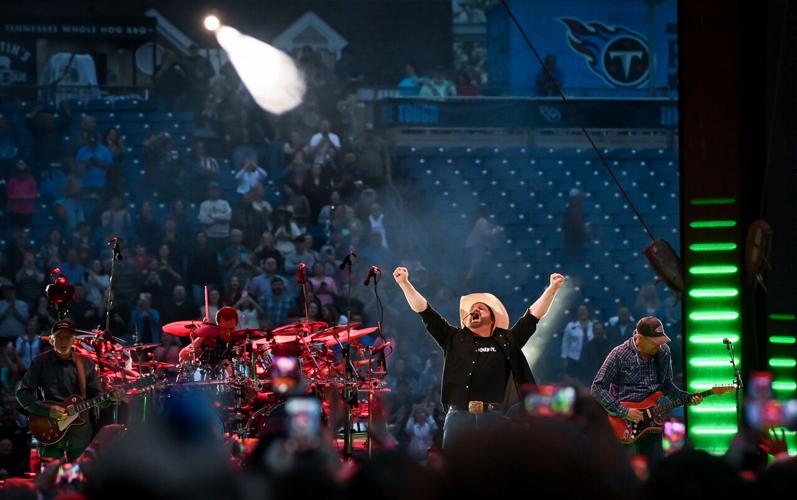
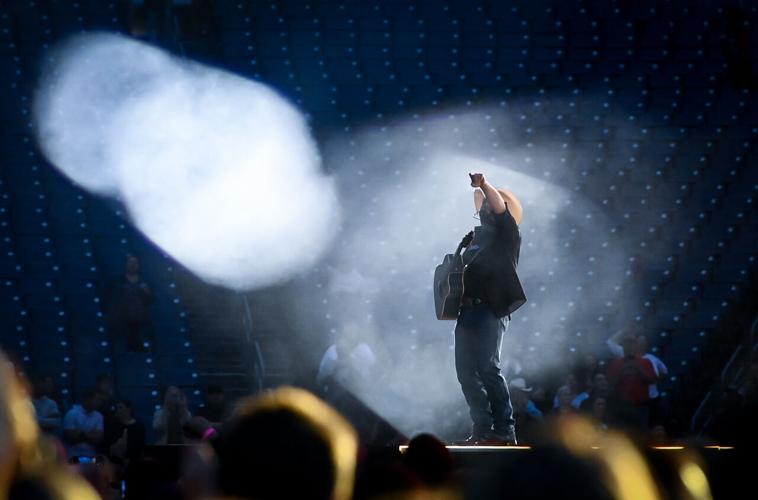
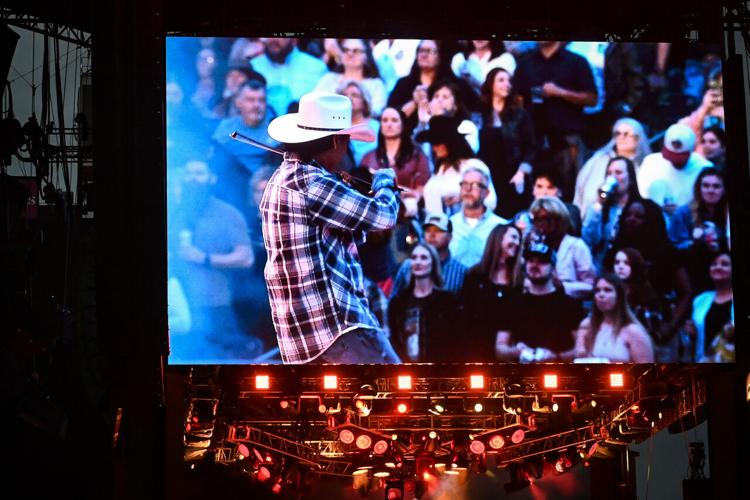
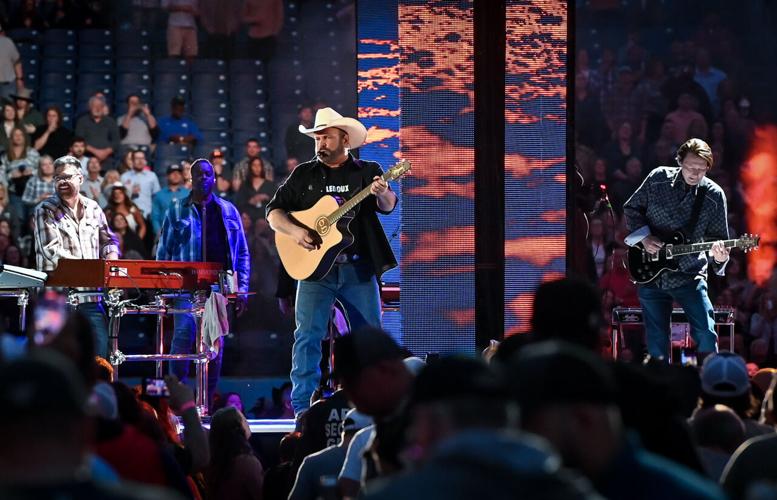
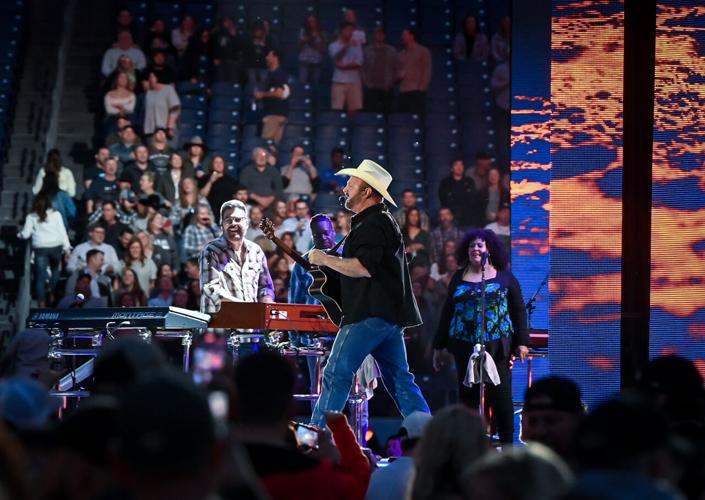
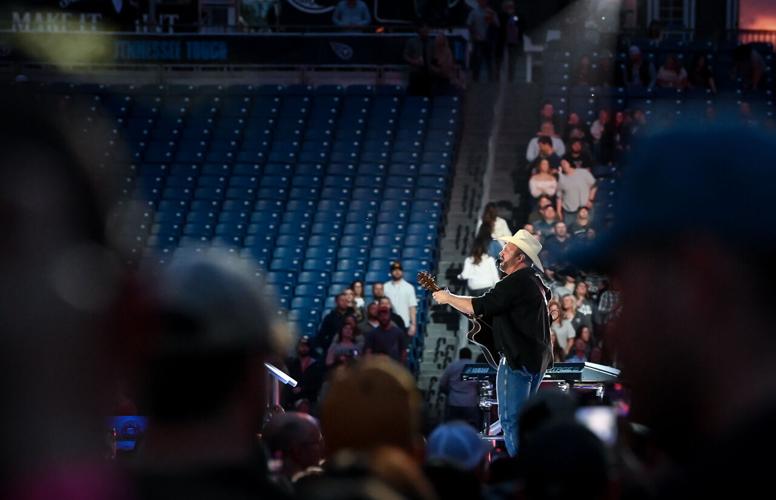
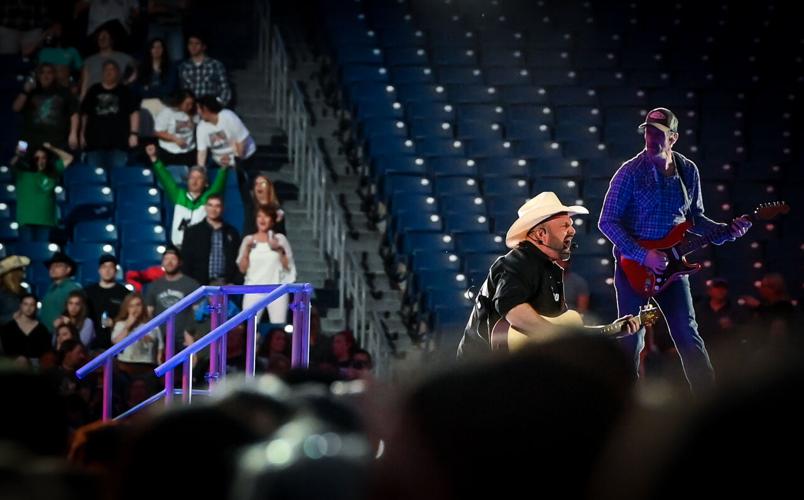
The Spin: Garth Brooks at Nissan Stadium, 4/15/2022
The country megastar opened a two-night stand at the stadium on Friday