
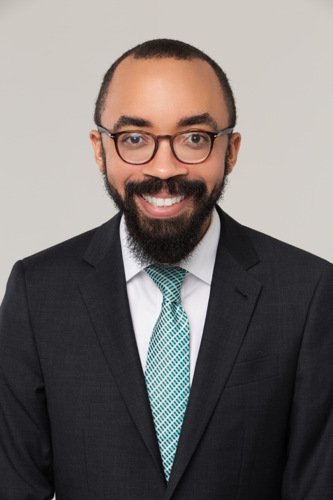
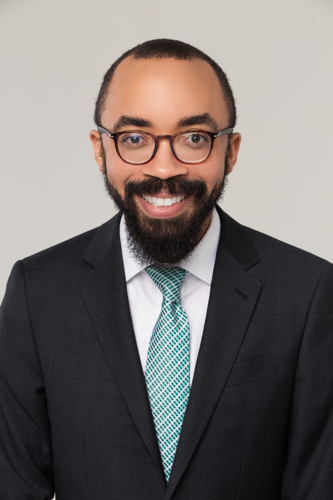


Dr. Steven Lewis
After two decades of work and planning, the National Museum of African American Music is set to open Sept. 3, at the start of Labor Day weekend, in its space in the Fifth + Broadway development opposite the Ryman and Bridgestone Arena. The museum takes a very smart approach to telling one of the biggest and most important stories of American culture. Through some 1,500 artifacts and a host of interactive exhibits arranged into five galleries, NMAAM will allow visitors to follow the threads of African American music, from the ways that traditions of enslaved African people evolved into distinctly African American styles, to the ways that hip-hop has become one of the most important cultural movements of the past five decades, and beyond.
The museum staff has been hard at work throughout the COVID-19 pandemic to prepare for the opening. Dr. Steven Lewis, a curator at NMAAM, is a Georgia native who began his education studying jazz saxophone. As he delved deeper into the stories of the musicians he was studying and their impacts on culture around the world, he shifted his focus to musicology. After earning his Ph.D., he curated exhibits on music and performing arts at the National Museum of African American History and Culture in Washington, D.C. before coming to NMAAM. Dr. Lewis took a few minutes to speak with the Scene by phone about his work leading up to opening day.
The way that the museum is organized, where visitors can follow the history of a variety of African American musical traditions, is something really special. How does that intersect with your goals?
This is going to be the only museum dedicated exclusively to tell the story of African American music — and then also preserving these musical traditions, and talking about more generally the influence that African Americans have had on American culture. In talking about the history of this music, we're also talking about the impact of African Americans on our national culture and, and really the culture of the whole world. … So of course, we talk about the history of the blues, we talk about the history of jazz, the history of Black religious music, the history of rhythm and blues and the history of hip-hop. But in doing that, we're also really shedding light on the major moments in African American history and American history, generally speaking. So music is really inseparably connected to the Black experience, broadly speaking, in ways that that kind of transcend music.
Tell me some of the highlights of community programming you’ve been able to develop so far.
We've had some exciting collaborations with other institutions. Last year, we collaborated with the Nashville Ballet when they premiered Lucy Negro Redux, which was based on a collection of poems written by Caroline Randall Williams, featuring the music of Rhiannon Giddens. Something I did as part of that collaboration was to put together a small exhibition that was on display at the Nashville Ballet that talked a little bit about Rhiannon Giddens and the music that went into the production, and then also shed a little bit more light on African American folk music, which is Giddens’ primary area of expression. In addition to that, there was a panel that we had and we got to discuss the ballet and music and more detail.
Then, there are the programs that we host ourselves. We have a very active slate of community programs managed by our director of public programs, Tamar Smithers. I appear in those regularly, as well, talking about either the exhibitions or just about, you know, that there are many different ways in which the material we cover in the museum intersects with contemporary issues and discussions. We make those connections really clear for the public as part of our programs.
What kind of questions come up when you speak with folks during these programs?
People have questions about the music they care about. Particularly today, they have questions about music and activism. As part of our role in educating the public and celebrating the music, we try to place the contemporary music and current events into the grander scheme of African American music and the Black experience in general. People may ask about music as a tool for activists, and of course we can talk about the spirituals and the way that they reappeared during the civil rights movement. We can also talk about the ways that enslaved African Americans were able to use music for communication — music was one of their few areas of self-expression that they were able to maintain during enslavement. The more you know about the history, the more light you're able to shed on the contemporary concerns of people who come to our programs, looking for some context.
The current protests against systemic racism and police brutality began within days of George Floyd’s death at the hands of a police officer. When things are evolving so quickly in our culture, how are you able to develop how you want to address those subjects?
The museum is a living institution and our understanding of African American music, and Black culture and Black history, continues to evolve in the same way that any institution's understanding does. We have a few different ways that we continue to adapt and change. One of them is just expanding our collection and trying to acquire new pieces that are relevant to contemporary life, that then we can interpret for our visitors. That's No. 1. No. 2, that’s why we have a gallery that is dedicated to temporary exhibitions. Those exhibitions are places where we can explore either areas that we talk about in the museum briefly, we can explore them in more depth; we can also introduce exhibitions that are very relevant to the contemporary world that will hopefully draw in visitors who are interested in those types of things, in an even broader sense that goes beyond our exhibitions.
We hope that the museum itself is a location where people can gather to, to kind of have important conversations. So we hope to use our platform not only to provide historical context, but also to be a community space that can facilitate those important, sometimes difficult discussions about systemic racism. You know, one could not go through our whole museum without understanding, the struggle that African Americans have faced from the beginning of the African American experience to the present. And we hope that people also use our space, um, to, to have conversations that need to happen. That's part of our mission as an institution, and something I'm very committed to continuing as the curator.
I’m glad to see that racism in the music business is getting talked about more openly.
To that point, one area that we're excited that we can showcase in our museum is a section within our gallery called "One Nation Under a Groove" that is called Icons of the Black Music Business. We actually spend time talking about the African American executives at major labels — beginning in the late ’60s and continuing through the ’70s and ’80s, up to the present — who were really advocating for African American artists. Really, they were the first wave of leaders in the music industry who were really making demands, advocating for black artists who had been, frankly, taken advantage of, or otherwise underrepresented in those conversations with industry executives for such a long time. There are some areas of music history that I think we're going to be shedding light on in this context for the first time. One of them is the important role Black record label executives have played in making space for African American expression in the American music industry.
You’ve made a deep study of jazz. In your role as curator, what are some other traditions that you’ve had an opportunity to explore deeper?
One area that has been a huge learning experience for me, and that I've come to really enjoy reading and talking about, is the very early history of African American music, in the 17th century and then going up to the Civil War. There's a couple of different reasons why this period in Black music history is not talked about, one of which being the absence of recordings and the other being the lack of documentation of Black music-making in the early centuries of the African American experience. Since I've been here I've gotten to spend time talking with great Black musicians and historians like Dom Flemons of The Carolina Chocolate Drops.
I've learned a huge amount about the transition from African musical traditions to a distinctively African American type of music. Also, the history of the banjo — since I started working at the museum, I've actually started learning the banjo a little bit myself, because of all of the stuff that I've learned. Early African American folk music was not something I really knew anything about when I went into the museum world. Since I've started working here, I've gotten to learn a lot from a lot of great historians of musicians, but then also share what I've learned with other people, which is, I think, one of the joys of this work.
The museum’s scope is broad, but Nashville’s got a very rich history of Black music. What can you tell me about what local figures are represented in the museum?
We're definitely committed to incorporating the story of Black music here in Nashville into the story that we tell that's more of a nationwide story. We have an artifact from Ironing Board Sam, who performed on Jefferson Street back in the ’60s and ’70s. We'll have that on display where we're talking about the history of rhythm and blues. Probably the single biggest thing [about Nashville in the museum] is our first temporary exhibition, which we're actually in the process of developing right now, is going to be the story of the Fisk Jubilee Singers. We’re already developing that in collaboration with Fisk University. We're going to talk about the Black experience of Nashville immediately following the Civil War and the foundation of Fisk University — and the way that the Jubilee Singers in the 1870s not only saved the university and kept its doors open, but also introduced African American music to global audiences for the first time in many cases.
In some ways, it’s astonishing that it’s taken this long to develop a national museum devoted to African American music.
It is sort of crazy that for all of the ways that African American music is really at the foundation of American culture, the stories of the musicians and the history of the music really have not been told by a museum in this amount of detail before. A lot of people don't know about the people who made the music, or about the culture that the music came out of. We're just so excited to be able to finally share this with a lot of people who are probably going to be hearing it for the first time.



Post a comment as anonymous
Report
Watch this discussion.
(0) comments
Welcome to the discussion.
Log In
Welcome to the discussion.
Keep it clean. Please avoid obscene, vulgar, lewd, racist or otherwise abusive language. Comments featuring hate speech or threatening or violent content will not be tolerated.
PLEASE TURN OFF YOUR CAPS LOCK.
Be truthful. Don't knowingly lie or mislead.
Be proactive. Use the “report” link on any comment that violates our comment policy.
Share with us. We'd love to hear your feedback.