
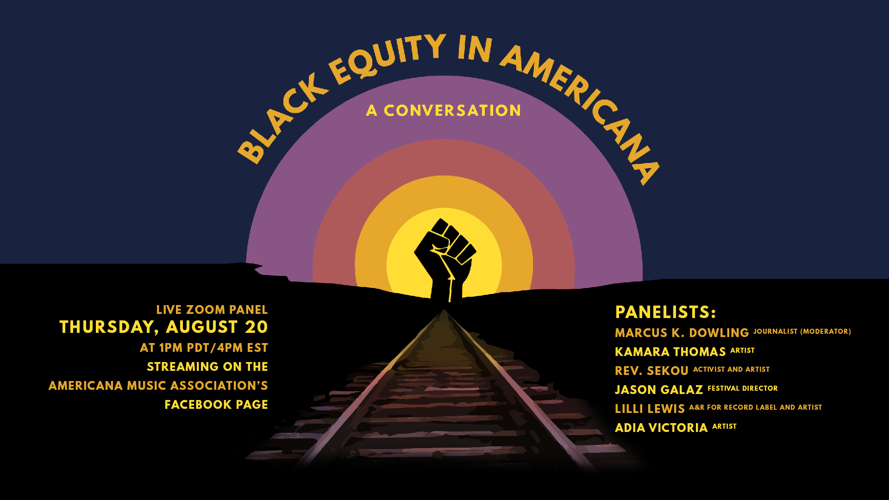
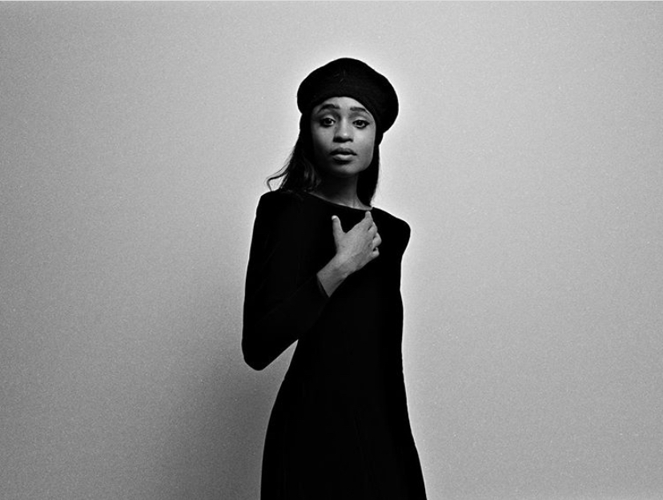
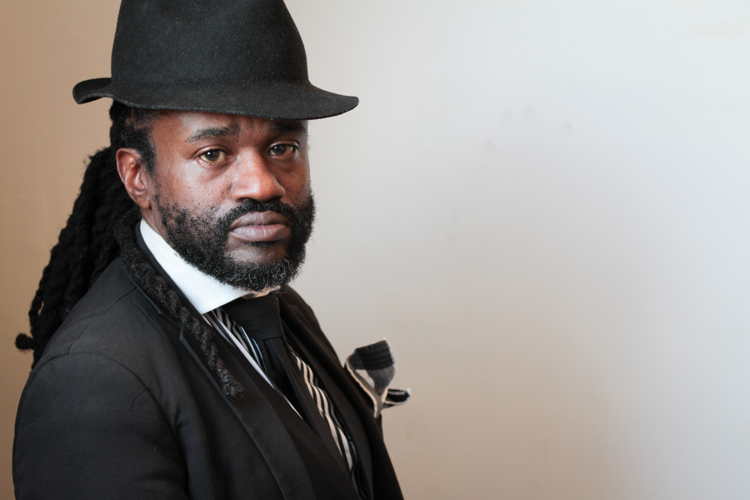
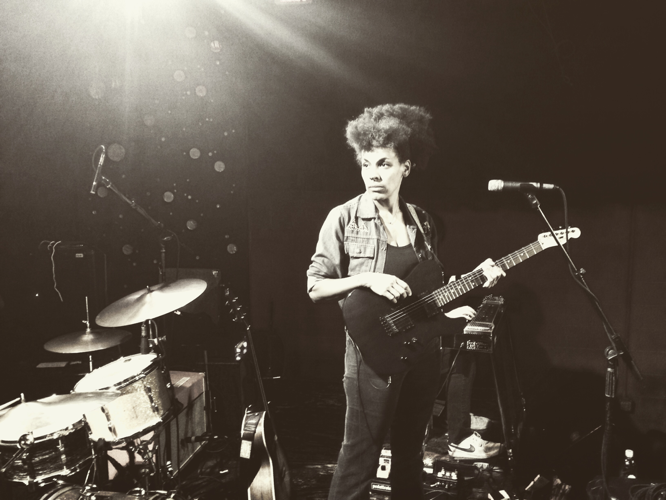

On Thursday, the Americana Music Association hosted Black Equity in Americana: A Conversation. Journalist Marcus K. Dowling moderated the livestreamed panel, which featured musicians Adia Victoria, Rev. Sekou, Lilli Lewis and Kamara Thomas as well as Muddy Roots Music Festival organizer Jason Galaz. The hourlong conversation comes amid nationwide protests for racial justice and following years of dialogue about the diversity of Americana music and the Americana Music Association itself.
Here are five key takeaways from the panel. If you weren't able to stream it live, you can watch it on the association’s Facebook page. A follow-up panel is set to take place during Thriving Roots, the virtual version of AmericanaFest that’s set for Sept. 16-18.

Adia Victoria
1. White Americana musicians are not the rightful descendants of blues music.
In Victoria's opening remarks, she shared that despite her family's roots in South Carolina running 400 years deep, she still gets treated as a "guest" in the Americana music community. She also noted that the artists who inspired her — Victoria Spivey, Ma Rainey and Bessie Smith among them — existed one generation away from slavery and do not have a direct connection to white artists making blues and roots music today.
"When I look at the Americana scene and I see predominantly white people pulling from this, who are borrowing from this, appropriating this," said Victoria, “my thing is like: 'That's great, but their line does not lead to you. You are not the descendants of the blues, of Skip James, of Robert Johnson. That line does not lead to East Nashville.' "
2. Black Americana and roots musicians often get inaccurately recategorized into genres like R&B.
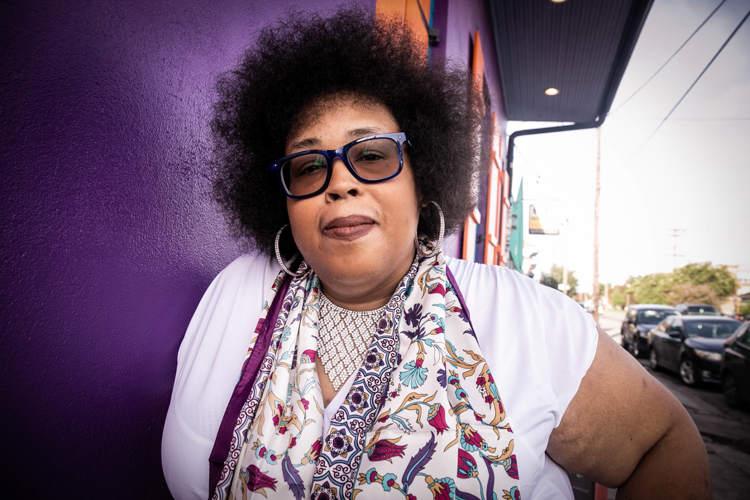
In addition to making music, Lewis does A&R work for independent label Louisiana Red Hot Records. She explained that many of her Black roots and Americana artists get labeled as R&B musicians solely due to their race.
"The real question we always run into [with our emerging artists] is whether or not they're going to be sidelined into a different genre,” Lewis said. “For example, Roland [Guerin] considers himself a roots musician. His record is called Grass Roots, and there is so much Americana on the record. There is always the question of, 'Is it going to be shoved into R&B just because it's a person of color making this music?' "

Rev Sekou
3. The space that does currently exist for Black artists in Americana is small and narrow in its scope.
Responding to a question from Dowling about his recent interview with PopMatters, Rev. Sekou elaborated on what he told the online publication about genres wrestling with issues ranging from aesthetic choices to artists' ownership rights of their creative output.
"Blackness already functions in a limited way within Americana," Sekou said. "The way this genre functions is that you are either a throwback to ’50s-, ’60s-style music, or you are … an African American [fronting] a white band. … That's what my observation is, in terms of the music. Then you get rare moments, with sisters like Adia, who are expanding the genre, who are wrestling with the vicious legacy of white supremacy in the music by lifting up the women which she is directly connected to."
4. Niche music communities need to be mindful of who they might be excluding and how they can make room for diversity.
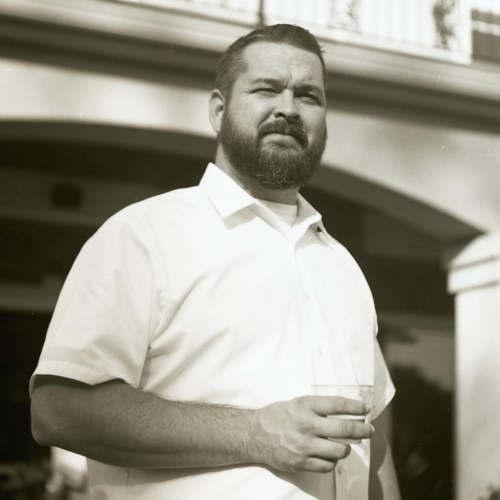
Galaz reflected on his early days organizing the Muddy Roots Music Festival, saying, "I realized that the crowd I had at first was a little too far niche in the wrong way."
“Muddy Roots, the point of it is to highlight the music in between genres, or to book bands that force and blend together genres,” Galaz elaborated. “Maybe you grew up in punk rock but now you like the blues. Maybe you grew up a skater or a metalhead or whatever and you like bluegrass now. So there's a blend. In doing that, at the beginning we had a lot of country, bluegrass, folk stuff, and we ended up with a lot of people who thought it was kind of like this big white thing. They didn't realize it was put on by someone who was half Mexican. Little bit of racism here and there. … So I made a decision, especially during the last election, to really weed that out and take it on and provoke it at points, so it would weed itself out."

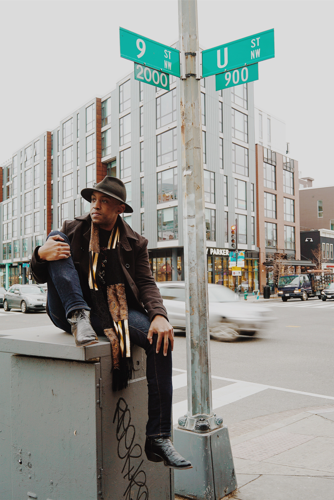
Kamara Thomas
5. Streaming concerts and events have the power to democratize how people share and engage with music.
After Victoria shared that during her early career she was constantly encouraged to conform to the straight white male gaze, Thomas responded with her own feelings on trying to be an artist while navigating white gatekeepers and spaces.
"I do think there is a lot of opportunity [in streaming],” Thomas said. “I think there is an opportunity to show things in this sacred space to a lot more people than maybe would have seen it, because there is no gatekeeper. If you found out about the show, you can come to the show. Maybe the gatekeepers have a little sway in terms of reaching a certain contingent of people or reaching a certain amount of people, but the fact that I can make something in this space and it's going to exist there for you to find — and if I can pour as much of my love and beauty and art into this space as possible … I have to trust that. I think it's an opportunity for the community … where the power can get flipped from the top to what we call ‘the bottom.’ "



