
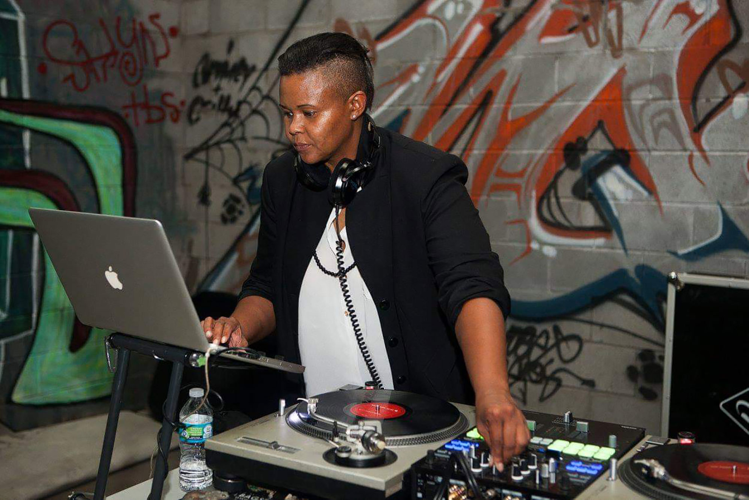


DJ Jane Dupree
Over the past two years, the collection of diverse scenes that make up Nashville’s dance music ecosystem has blossomed. When I profiled electronic music label and dance party promotions enterprise TRAM Planet in 2018, the organizers pointed out a growing audience for what they were presenting, though the biggest hurdle seemed to be finding places to play. By the start of this year, anyone looking to dance had a broad choice of weekly and monthly events, showcasing local and touring DJs spinning house music, techno, drum ’n’ bass and tons of other styles. The wide range of offerings included a series called N/A spotlighting rising talent at all-ages spot Drkmttr, the queer-focused Bitchfit party that regularly packed out a warehouse space in Inglewood, the Decompress house night at Germantown bar The Back Corner and many more.
“Rewinding back to December, I remember looking at the calendar trying to coordinate with other promoters,” says Jason Code, organizer of the monthly multigenre Terminal 8 party on the East Side. He’s referring to United Perception, a relatively new calendar created for the use of promoters and organizers who’ve been hand-picked by local DJ and promoter Paulo Ventura. “There was a lot of back and forth,” says Code, “because everyone was trying to throw an event every month while not having conflicting dates.”
Then, in March, venues shut down as social distancing to slow the spread of the coronavirus pandemic became the norm. Not to be deterred, many of Music City’s DJs have joined the ranks of musicians taking their shows online, hoping to maintain a presence and continue cultivating an audience. As with other livestream concerts, the experience is meaningful, though it isn’t the same as an in-person event. Neither is the compensation, which in normal circumstances comes from a percentage of bar sales or the cover charge at the door.
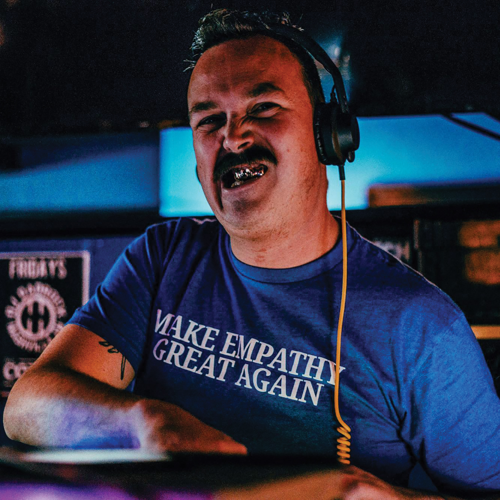
Before the pandemic, Justin Tarrents, who DJs as Spice J, supported himself with multiple weekly gigs at East Side spots like The Crying Wolf, The Cobra, The Dive Motel and CAMP (formerly Bar No. 308), as well as a residency at Church Street staple Canvas. Like other DJs, he has a virtual tip jar for his livestream, which helps make up some of his lost income. But the limitations of the streaming experience also affect how often he can perform.

DJ Spice J
“Twice [is] the most I would ever do in a week,” says Tarrents. “I want to stress how thankful I am for those tips, but there’s no way I could make a living from it. I’m really just doing it for my sanity and the sanity of my friends watching.”
Whether it’s online or in a venue, a good DJ set provides a human element that a playlist or jukebox simply can’t. Having a driver at the wheel, guiding the musical journey, is what makes DJing an art. DJs need to be able to read the room, and with just a comment panel to react to during a livestream, they’re in a kind of vacuum. Still, streaming provides an opportunity for a different kind of connection and communication with fans.
“I started in college radio, and it’s a lot like that,” says veteran club DJ Jane Dupree, whose residency at Canvas has been her main gig for years. She sees the present situation as an opportunity for DJs to resume their sometimes-forgotten role as tastemakers. “You get to see DJs play tracks they couldn’t play in the club, because it doesn’t entertain the crowd and sell drinks.”
Other DJs see a chance to expand the art, too. Before COVID-19 made livestreams the only safe way to see many performances, Steven Fort — who gigs as MilkChalk — was routinely streaming cooking shows, video games and DJ sets. Early on in the pandemic, he launched a Facebook group called QuaranStream Concerts that has hosted an array of locals’ livestreams. Many of the group’s members are taking cues from younger streamers and experimenting with multiple camera angles, creative lighting setups and video effects to try and make the experience more exciting.
“Kids and teenagers have been in the streaming scene a lot longer than us adults,” says Fort. “I believe this quarantine will turn more artists onto streaming and keep more people viewing.”
What the future of local dance music will look like is anyone’s guess. For now, the livestream sets are a reminder that someone out there is thinking about what you want to hear — what will help you chill out, what will make your heart pound a little harder, what will make you want to get up and dance — and that makes the loneliness of self-quarantine just a little more bearable.



