

Don Was
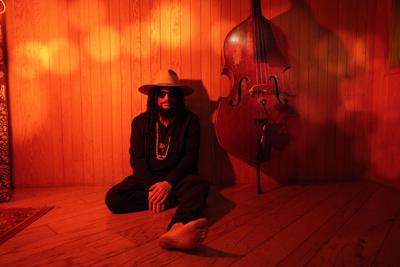
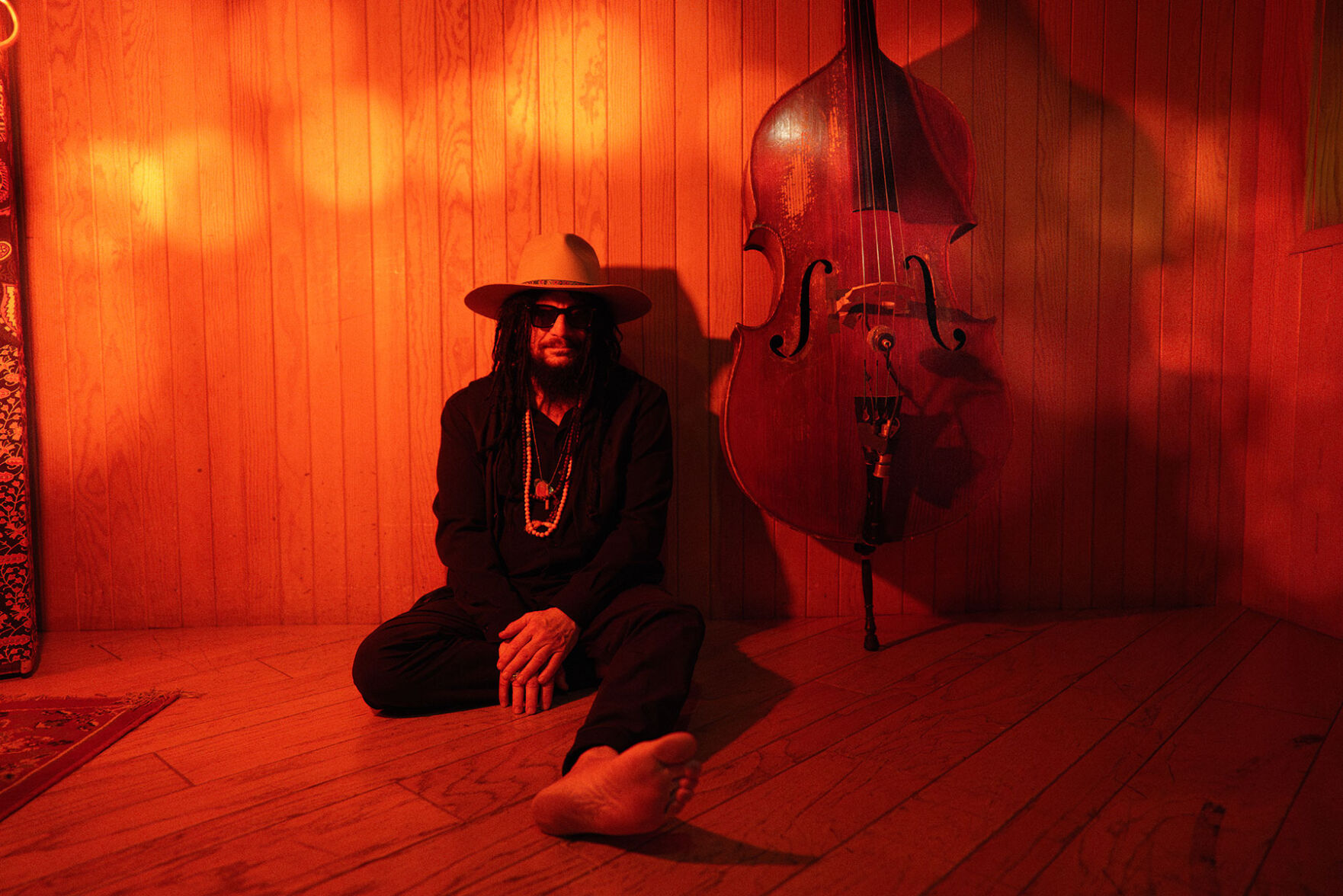
The title of the new LP from Don Was and the Pan-Detroit Ensemble is also a call to action: Groove in the Face of Adversity. The celebrated multihyphenate, who’s worked with countless legendary artists since the 1980s, tells the Scene that the new album is an attempt at harnessing music’s power to connect and unite people. That’s something the band also hopes to do when their tour stops at The Basement East on Feb. 4.
“No matter what side of the political spectrum you land on, everyone’s feeling turmoil right now,” Was says on a phone call a few days before heading out on the road. “It’s good to hear some music and go to a concert that reminds you you’re not alone. There are things that transcend politics, and there are other like-minded people who are going through the same thing as you. When you can commune with people like that, it’s like going to church.”
Was’ musical church is rooted deeply in his hometown of Detroit, something he and his fellow Pan-Detroit Ensemble players celebrate across the LP’s half-dozen tracks, which eschew genre and traditional song structure in favor of a loose, almost improvisational vibe that draws from rock, jazz, pop, soul and beyond. Was first assembled the group to perform as part of the Detroit Symphony Orchestra’s Paradise Jazz Series, a gig he took at the behest of series curator and renowned trumpeter Terence Blanchard. What was meant to be a one-time gig became a deep source of musical connection for all the members. Was says the nonet — which includes himself on bass, drummer Jeff Canady, singer Steffanie Christi’an, guitarist Wayne Gerard, percussionist Mahindi Masai, keyboardist Luis Resto and a horn section consisting of Vincent Chandler, John Douglas and Dave McMurray — has no plans of stopping anytime soon.
“Some of these guys have played with us for 45 years, in fact, but we never all played together,” he says. “And when we got in the room for the first rehearsal, after about 10 minutes, it was clear that it felt like we’d been playing together for decades. I realized then this is more than just a one-off.”

As The Spin weaved our way through a giddy crowd dotted with graybeards in tie-dye and dreadlocked youngsters to take our pew at the Ryman on …
In addition to material from the new LP, the band will also perform the landmark Grateful Dead album Blues for Allah in its entirety, marking its 50th anniversary. The music is more than familiar for Was, who began playing alongside Grateful Dead co-founder Bob Weir as part of Weir’s Wolf Bros. project in 2018. Our interview with Was happened a few days prior to the unexpected announcement Jan. 10 that Weir had died.
“When I started touring with Bob, that’s when I became super aware of [a higher] level of communication between the band onstage and the audience,” he says. “In any kind of Dead-adjacent show, the audience becomes part of the band. … You build this collective ecstasy with the audience and among the members of the band. When you get that thing cycling, I don’t know a more exhilarating feeling.”
With a mile-long résumé that boasts collaborations with names like Bonnie Raitt, Elton John and The Rolling Stones, Was could easily collect his checks and rest on his laurels. Instead he’s found that the more he collaborates with other artists, the more he feels like himself.
“Around 1990 I got on a roll, and in short order I got to work with a lot of my heroes,” he recalls. “Bob Dylan, Brian Wilson, Leonard Cohen, Willie Nelson, Kris Kristofferson — arguably the greatest writers. It was a thrill, but it gave me writer’s block for about five years. ... One day I was in the studio with Willie, lamenting the fact that I could never be Willie Nelson. And then the converse hit me: ‘Yes, but Willie Nelson could never be you.’”
That moment gave Was the freedom to be himself and to make music that draws upon his own lived experiences, like growing up in Motor City in the ’50s and ’60s, dropping acid before catching the MC5 and The Stooges at Detroit’s legendary Grande Ballroom. It’s also what keeps him going decades into a career that’s still unfolding.
“That’s the thing in the music business. Sometimes we think that being different is a marketing nightmare. But in fact, the thing that makes you different from everybody else is your superpower.”



Post a comment as anonymous
Report
Watch this discussion.
(0) comments
Welcome to the discussion.
Log In
Welcome to the discussion.
Keep it clean. Please avoid obscene, vulgar, lewd, racist or otherwise abusive language. Comments featuring hate speech or threatening or violent content will not be tolerated.
PLEASE TURN OFF YOUR CAPS LOCK.
Be truthful. Don't knowingly lie or mislead.
Be proactive. Use the “report” link on any comment that violates our comment policy.
Share with us. We'd love to hear your feedback.