

Angela Autumn
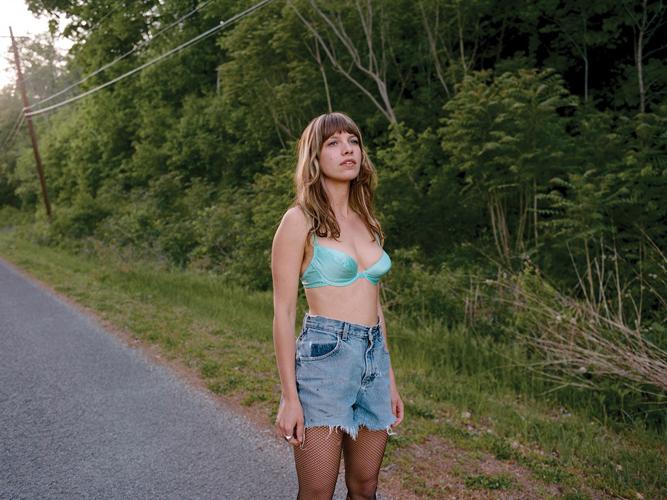
When Nashville singer-songwriter Angela Autumn met her hero, indie-rock legend Cat Power, her reputation as a banjo-toting raconteur preceded her.
“She said ‘Oh, I know you — I know you from being the Rose of Appalachia,’” Autumn tells the Scene. “There’s a lot of power in claiming your space. I’ve been all over the country toting my banjo around and meeting other people. I’m from Appalachia and I’m here now.”
When people think of Western Pennsylvania, the first thing that comes to mind is probably Pittsburgh and the steel mills that dominated regional industry until the 1980s. However, the Appalachian Mountains run southwest to northeast through the state just east of Pittsburgh, including part of a 300-mile subsection called the Allegheny Mountains, and the area is home to many small rural and semi-rural towns. Autumn, who was given the “Rose of Appalachia” moniker by fans, was raised in one. Her hometown was also involved in the steel industry until production shifted overseas toward the end of the 20th century.
“The Pennsylvania part of Appalachia — that whole culture has kind of been lost and forgotten,” Autumn says. “[I’m] just honoring the history in myself and the fact that very few of us are speaking about this from my region.”

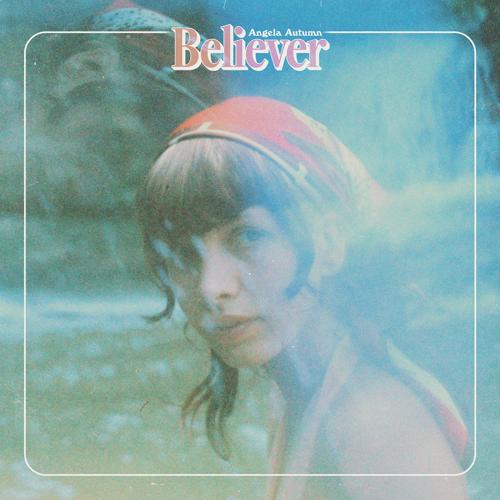
Autumn’s second album Believer, out Sept. 11 via Gar Hole Records, nods to the places that shaped her, starting with the Allegheny Mountains. There she was immersed in creativity and nature through the teachings of her mom, who played the didgeridoo and made instruments out of gourds. After getting her musical start busking with the DIY street folk band The Hills and the Rivers, Autumn made her way to Asheville, N.C., with a banjo her dad bought for her in tow. From the beginning, the instrument represented the promise of community.
“Here’s this really amazing, beautiful artifact I can carry around and sling around on my back, and take with me to North Carolina, and then meet people and play on the street,” Autumn says.
The music community in Asheville deepened Autumn’s love for old-time music and her passion for the clawhammer banjo style she’s become known for. Along the way — inspired by artists such as Rhiannon Giddens, Allison Russell and Gillian Welch — Autumn decided to make the move to Nashville.
On Believer, the follow-up to her 2021 full length debut Frontiers Woman, Autumn reunited with multi-instrumentalist and producer Baerd (aka Isaiah Beard). He co-produced her 2023 breakout single “Electric Lizard,” a heady exploration of identity and shame.
“‘[Electric Lizard] is about my identity and other people’s identities colliding and how I perceive that, and what I feel when I meet somebody else who has a very visible identity or even a big persona,” Autumn says. “People kind of form to [identities or personas] — like catching flies.”
The album is a sonic exploration of indie folk (“I Don’t Think About You (At All)”), psych rock (“Heavy Tobacco”) and alt-country (“In the South”). It’s all tied together by Autumn’s irresistible mountain twang. “Mountain Stream,” anchored by a driving bass and a banjo groove, is a Southern gothic ode to the healing power of nature.
“I was contemplating some really heavy stuff, doing a lot of shadow work, and I think I invited that into my songwriting,” says Autumn. “Because I picked up my guitar and put it in an open tuning and this voice just came out of me that was very low, and the first words of ‘Mountain Stream’ came out. It was somebody who had escaped and was like ‘Good luck finding me again, because I have the mountains.’”
The title track explores how belief can act as a form of self-preservation.
“Just saying ‘I’m a believer’ can mean anything,” she says. “Because it’s vague, it’s also really cheeky. There’s sarcasm in it because in [‘Believer’] I say, ‘I’ve got to be a believer to take a ride.’ … Whether it’s someone you’re dating and you believe that they’re your person, or it’s a priest and you believe that he’s going to get you to heaven, you have to believe to take the ride of getting to heaven. … If belief is the vehicle that gets us places, then the word itself has power.”
The album is a tapestry of the past few years of Autumn’s life, written in some of her favorite places — a treehouse in Asheville, the woods of Tennessee and a friend’s warehouse in Chattanooga — and recorded at Nashville’s Club Roar. The result is an album that feels not only cohesive, but lovingly stitched together like an Appalachian quilt.
“I still feel like I kind of collaged it together. I was calling people [asking], ‘Hey, do you still have that recording we did? Did you delete it? Can I have it to go on my album?’ … I’m nervous about making another record because I kind of like to do it like an insane person — just pulling all the recordings from everywhere.”




Post a comment as anonymous
Report
Watch this discussion.
(0) comments
Welcome to the discussion.
Log In
Welcome to the discussion.
Keep it clean. Please avoid obscene, vulgar, lewd, racist or otherwise abusive language. Comments featuring hate speech or threatening or violent content will not be tolerated.
PLEASE TURN OFF YOUR CAPS LOCK.
Be truthful. Don't knowingly lie or mislead.
Be proactive. Use the “report” link on any comment that violates our comment policy.
Share with us. We'd love to hear your feedback.