

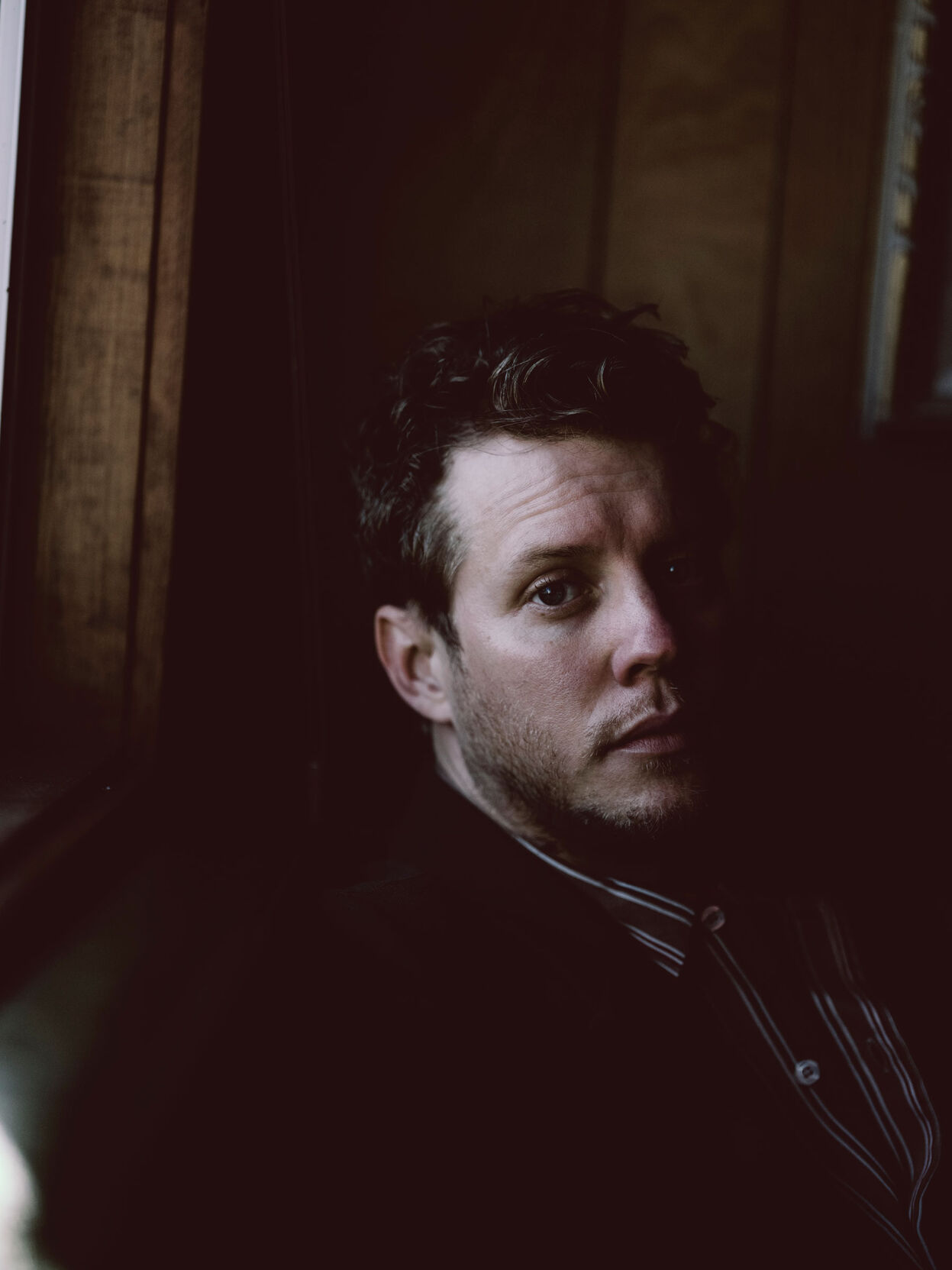
Days before Anderson East kicked off his extensive Maybe We Never Die Tour in mid-October, the acclaimed singer-songwriter was busy checking off a lengthy list of to-dos. Along with the technical prep work of taking a full band across the country, East was trying to navigate the mental recalibration needed to readjust to life on the road.
“Right now, it feels like trying to push-start like an old manual-transmission truck that hadn’t ran in a while,” Anderson explains in a phone interview with the Scene. “But once you get it in motion, it will probably turn over.”
The last time East performed to fans in his home base of Nashville was a co-headlining date with The Revivalists in August 2019 at Ascend Amphitheater. It was the tail end of a lengthy stint touring in support of his 2018 record Encore. Not long after, East finally felt like it was time to start his next creative chapter. At the end of 2019, he returned to Music Row’s historic Studio A to work with longtime friend and acclaimed producer Dave Cobb, who he collaborated with on his two previous records. The pair, along with East’s bandleader and musical director Philip Towns, opted to take a more relaxed and organic approach to the project than they had in the past.
“It had been a really carefree and simple kind of process,” East notes. “We were just kind of trying to keep it as in-house and close to the chest as possible.”
That process came to an abrupt halt in March 2020, along with the rest of what most of us think of as normal life.
“One day, I left the studio, went to a Predators game and walked home, and then that night, the tornado happened,” he says, referencing the deadly storm that hit Nashville on March 3, 2020. “And then within the next week, the whole world had kind of turned on its head.”
That short break from the studio stretched into weeks and months, leaving East with time to pen new songs and to reexamine the work already done in the studio. With additional material in tow, East finally returned to the studio in 2021 with a fresh set of ideas for the album.
“In some ways,” he says, “it was an emotional benefit to be able to have a little time and distance to really assess, with this new group of songs, how both of those things could inform the context of each other and fit together on the record.”
The result is his fifth studio album Maybe We Never Die, which features a more layered sound than his previous efforts, carefully curated with polished elements of R&B, pop and funk. From the sexy synth lines of “Madelyn” to the groovy bass lines and vocal effects in “Falling,” East blends his trademark ’60s-era soulful sound with elements that fans might not expect — he describes wanting to “have a little more fun and be a little more reckless.”
A fascination with the mystery of death and a focus on the importance of human connection were cemented as key themes within the record early on, well before COVID emerged. Still, the resulting album in many ways represents the personal reflection that many of us have experienced throughout the pandemic.
“I spent a lot of time really just out camping by myself for a lot of it and just sitting around a fire, alone for weeks,” East says. “When you remove yourself from that kind of world, you start to have gratitude for comfortable couches and air conditioning. … To be able to look at each instance throughout the day through the lens of gratitude is really hard to do. But I think it’s the one thing that’s kept my mind in somewhat of a good place.”
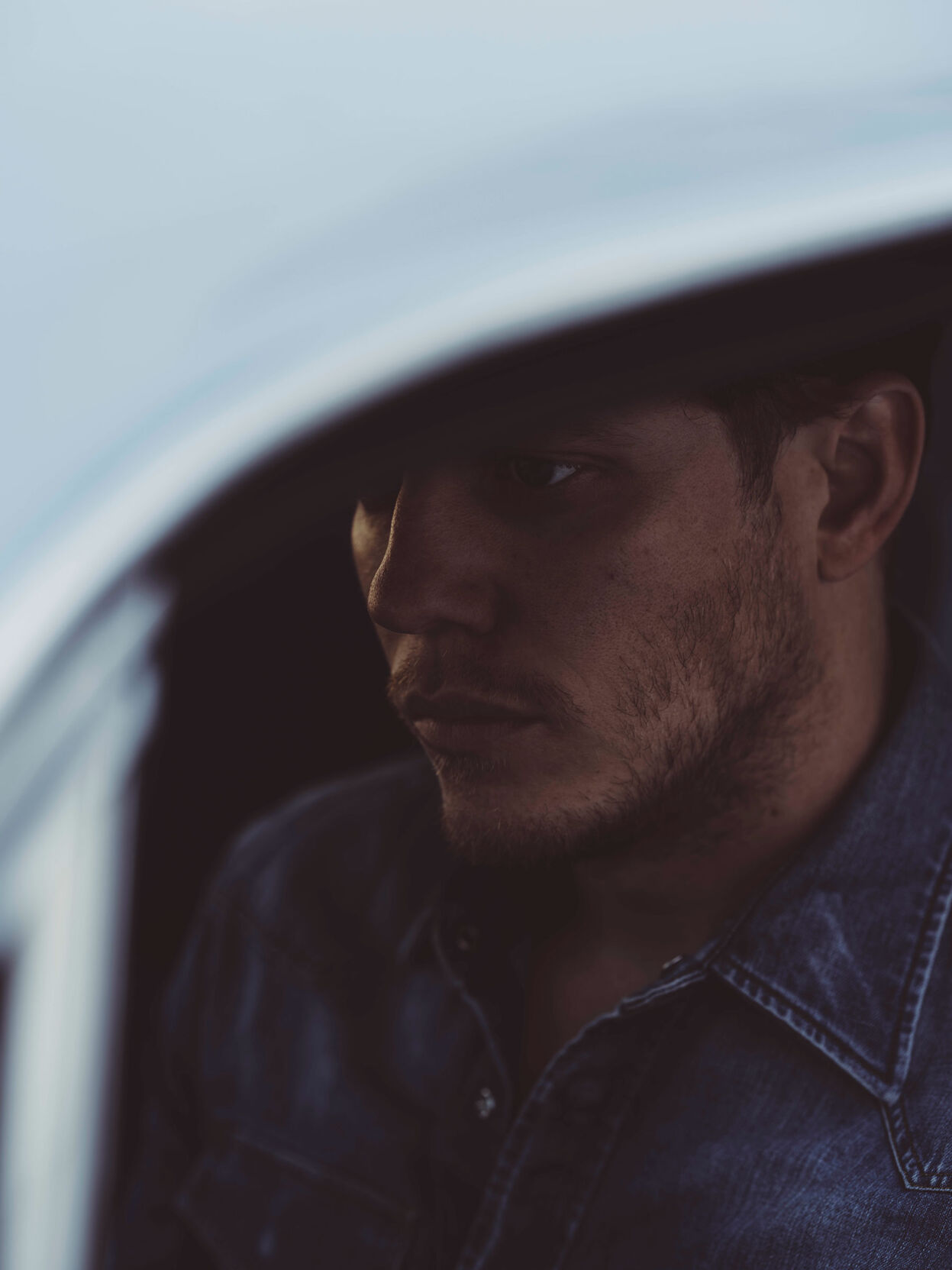
East is now getting ready to perform two nights at the Ryman on Nov. 12 and 13, his first at the legendary venue since a 2018 tour stop, which was recorded for his Live in Tennessee album. He’s approaching his appearances gracefully.
“It’s very surreal,” he says. “When you stack the precedent and history of that space — that stage and those old church pews — I’m like, ‘They’re just letting me up here? That’s crazy.’ It’s a bigger, emotional thing.”
Although it’s clear the enormity of playing the Mother Church is far from lost on East, it seems his biggest hope is for a means of catharsis. It’s something he needs, and it’s something he feels the fans who’ve been waiting for his return to the stage need too.
“The goal for me is to get the things out of me that need to be freed, be able to look at it with a little bit of grace, and find forgiveness for all of the shortcomings that you hear in yourself. And at the same time, recognize that that might be the magic that somebody else looks at and appreciates.”





Post a comment as anonymous
Report
Watch this discussion.
(0) comments
Welcome to the discussion.
Log In
Welcome to the discussion.
Keep it clean. Please avoid obscene, vulgar, lewd, racist or otherwise abusive language. Comments featuring hate speech or threatening or violent content will not be tolerated.
PLEASE TURN OFF YOUR CAPS LOCK.
Be truthful. Don't knowingly lie or mislead.
Be proactive. Use the “report” link on any comment that violates our comment policy.
Share with us. We'd love to hear your feedback.